




By Antone Gonsalves | Published August 6, 2026
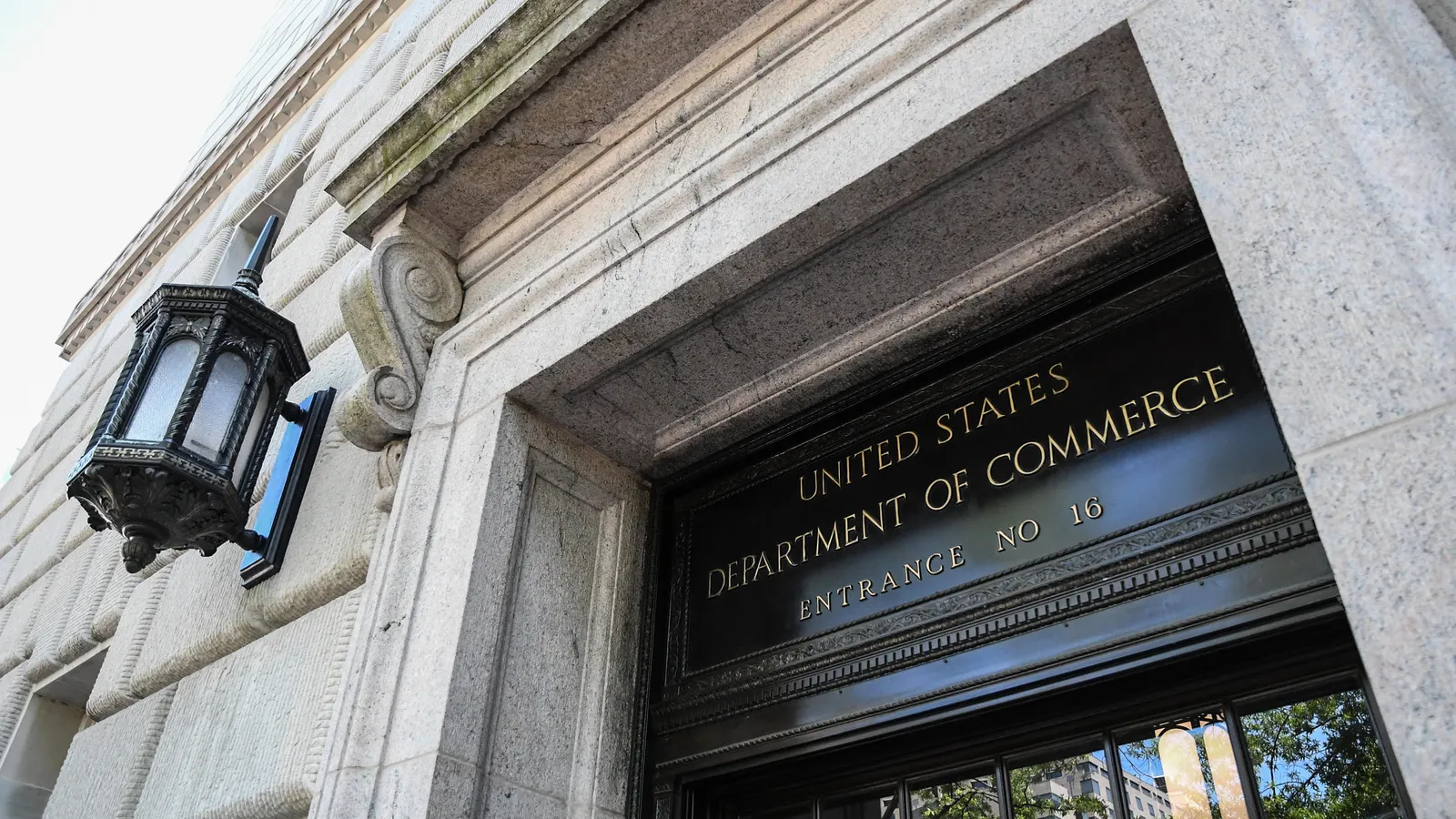
The U.S. Department of Commerce has initiated a significant escalation in its trade strategy, announcing a proposal to impose Section 232 duties on 14 additional categories of steel, aluminum, and copper derivative products. This move, detailed in a Federal Register notice published Thursday, signals a continued effort by the administration to tighten protections for domestic metal producers by targeting the downstream products that rely on these core commodities.
The proposed duties, which range from musical instruments to heavy industrial logistics equipment, represent the latest chapter in a multi-year effort to fortify the U.S. industrial base through aggressive tariff utilization.
The Scope of the Proposed Duties
The Commerce Department’s proposal is broad in its reach, aiming to capture a variety of goods that utilize significant quantities of steel, aluminum, and copper. Under the current proposal, the majority of these goods would be subject to a 25% tariff. However, the agency has introduced a tiered structure to account for the varying economic impacts of these goods.
Key highlights of the proposed tariff schedule include:

- Standard Derivatives: A baseline 25% tariff on most affected goods, including brass wind instruments, floor safes, and various semi-trailer components.
- Specialized Agricultural and Industrial Logistics: Self-loading and self-unloading trailers designed for agricultural purposes are slated for a 15% tariff.
- Heavy Machinery: Duties for self-propelled cranes, mobile lifting frames, and straddle carriers will be determined based on a complex matrix involving the country of origin and the specific manufacturing processes employed.
- Steel Containers: Perhaps the most aggressive component of the proposal, steel containers—specifically those intended for the transport of liquefied propane, oxygen, and propene—would face a 50% duty. The agency clarified that the tariff applies specifically to the physical vessel, not the chemical contents held within.
The Department of Commerce has opened a public comment period, allowing industry stakeholders, manufacturers, and trade groups to weigh in on the potential economic fallout of these levies. Submissions must be filed via the agency’s federal rulemaking portal no later than August 27, 2026.
Chronology of the Section 232 Escalation
To understand the current proposal, one must view it as the latest iteration of a protectionist policy framework that has evolved steadily since the start of the current administration.
The strategy is rooted in the utilization of Section 232 of the Trade Expansion Act of 1962, which grants the executive branch the authority to impose tariffs on imports deemed a threat to national security.
- April 2026: President Donald Trump signed a major proclamation imposing a 50% tariff on goods manufactured almost entirely from raw aluminum, steel, or copper. This move specifically targeted raw materials like steel coils and aluminum sheets. Furthermore, "derivative articles" defined as being "substantially made" of these metals were hit with a 25% levy, impacting finished goods ranging from diesel-engine trains to domestic kitchen appliances and silverware.
- June 2026: Recognizing the strain on specific sectors, the administration issued a follow-up proclamation to provide relief for agricultural and industrial productivity. This order reduced the tariff on combines, harvesters, and certain HVAC components from 25% to 15%. This adjustment was intended to prevent the tariffs from stifling domestic farming operations and construction projects.
- Mid-2026 Expansion: Following the June relief measures, the U.S. Customs and Border Protection (CBP) agency expanded the list of Harmonized Tariff Schedule (HTS) codes subject to oversight. This move effectively brought hundreds of previously overlooked products into the 50% tariff bracket, creating a rigorous enforcement environment for importers.
Economic Implications for the Supply Chain
The proposed expansion of Section 232 duties carries profound implications for global and domestic supply chains. For manufacturers, the uncertainty regarding tariff rates—particularly for machinery like cranes and straddle carriers—creates a difficult planning environment.
The Cost of Compliance
Supply chain managers are currently grappling with the administrative burden of these duties. Because these tariffs are based on the "substantial transformation" of metal, companies must maintain meticulous documentation regarding the origin of their raw materials. For multinational firms, this often requires a complete audit of their Tier 2 and Tier 3 suppliers to determine if their products fall under the "substantially made" classification.

Impact on Infrastructure and Agriculture
The inclusion of agricultural trailers and industrial lifting equipment in the new proposal is particularly noteworthy. By placing a 15% duty on agricultural logistics, the administration is balancing its desire to protect the steel industry against the potential for rising food production costs. If the cost of harvesting equipment and trailers increases, these costs will likely be passed on to the consumer, potentially contributing to inflationary pressures in the food and construction sectors.
The "Steel Container" Problem
The decision to impose a 50% tariff on steel containers for liquefied gases is expected to have a cooling effect on energy-related logistics. These containers are essential for the safe transport of oxygen for medical use and propane for residential heating. Analysts suggest that this specific duty could lead to significant supply chain disruptions if domestic manufacturing capacity cannot immediately scale to meet the demand currently served by international imports.
Industry and Political Responses
The reaction to the Commerce Department’s announcement has been mixed. Domestic steel producers have largely supported the move, arguing that the "derivative loophole" was allowing foreign manufacturers to bypass the original intent of the Section 232 tariffs by importing finished goods rather than raw materials.
"We cannot allow the protections granted to our primary metal producers to be eroded by an influx of finished foreign goods that use subsidized steel and aluminum," said a representative from a domestic manufacturing advocacy group.
Conversely, trade associations representing importers and retailers have expressed alarm. Many argue that these tariffs act as a tax on American businesses that rely on global components to assemble products domestically. There is also significant concern regarding retaliatory measures from trading partners, which could further damage U.S. export sectors.

The Path Forward: Public Comment and Rulemaking
As the August 27 deadline for public comments approaches, the Department of Commerce faces the challenge of reconciling the goal of national security through industrial protection with the practical realities of a globalized economy.
The rulemaking portal is expected to be flooded with comments from companies requesting exemptions. Historically, the Commerce Department has granted limited exclusions for products that are not available from domestic sources in sufficient quantity or quality. However, the current administration has been more restrictive in granting these exclusions compared to previous cycles.
Ultimately, the final implementation of these duties will serve as a bellwether for the administration’s long-term trade policy. If the 25% and 50% tariffs remain in place as proposed, businesses should prepare for a sustained period of higher capital expenditure costs and the necessity of re-evaluating their sourcing strategies to mitigate the impact of these levies.
As the agency processes the feedback from the public, the broader question remains: how much of the U.S. industrial base can be shielded by tariffs before the cost of those protections outweighs the benefits to the national interest? For now, the focus remains on the 14 categories identified, but given the trajectory of the past six months, analysts caution that the list of affected goods may continue to grow as the administration monitors trade flows and domestic production metrics.
