


The automotive aftermarket industry is currently navigating a period of unprecedented transformation, driven by rapid technological advancements, evolving supply chain demands, and a shifting consumer landscape. Amidst this backdrop, Worldpac, a premier provider of original equipment automotive parts, recently concluded its 2026 Supplier and Training Expo (STX). The event served as more than just a gathering; it acted as a barometer for the health and trajectory of the industry, culminating in the recognition of nine standout suppliers who have demonstrated exceptional performance in an increasingly complex market.
Main Facts: Celebrating Excellence in the Aftermarket
The 2026 STX awards ceremony highlighted the symbiotic relationship between Worldpac and its supplier network. By honoring companies that excel in business growth, operational efficiency, innovation, and customer-centricity, Worldpac reinforced the standards required to sustain a modern automotive supply chain.
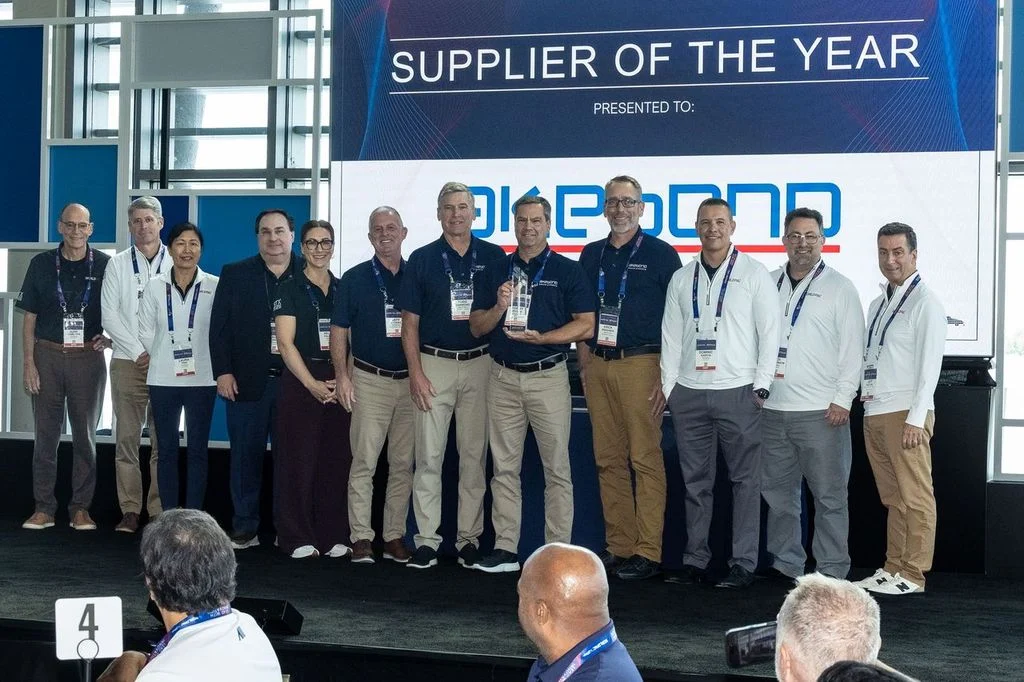
The recipients were not merely chosen for their volume of sales; rather, the selection process focused on qualitative metrics, including technical support, digital integration, and supply chain agility. The crowning achievement of the evening was the presentation of the "Supplier of the Year" award, which was bestowed upon Akebono. This accolade serves as a benchmark for the industry, reflecting Akebono’s holistic success across critical pillars such as fill rates, year-over-year growth, and product quality.
Chronology: The Evolution of STX
The STX event has evolved significantly over the past decade, mirroring the professionalization of the aftermarket repair sector. Originally conceived as a logistical hub for part distribution, STX has transitioned into an immersive educational and networking experience.
The Foundation of the Event
In the months leading up to the 2026 expo, Worldpac focused heavily on data-driven metrics. The organization implemented a new performance tracking system designed to measure "real-world" supplier impact—specifically looking at how components perform once they reach the technician’s hands. This shift in evaluation strategy was evident throughout the expo, which took place over several days of intensive workshops, keynote presentations, and industry panels.
The Awards Gala
The awards ceremony, held on the final night of the expo, acted as the definitive climax of the event. Attendees—ranging from shop owners and technicians to global manufacturing executives—witnessed a series of presentations that underscored the collaborative spirit of the automotive ecosystem. The sequence of awards highlighted a narrative arc: starting with foundational relationships (Legacy and Customer Commitment), moving through operational and digital excellence, and ending with the comprehensive "Supplier of the Year" recognition.
Supporting Data: Defining Performance Metrics
To understand the significance of these awards, one must examine the specific criteria that separated the winners from their peers. The 2026 awards were categorized to reflect the multifaceted nature of the automotive aftermarket.
- Operational & Supply Chain Excellence (Arnott): In an era of "just-in-time" inventory, Arnott’s ability to maintain supply chain flexibility and consistent on-time delivery set them apart from the competition.
- Technical & Training Excellence (Delphi): Delphi’s achievement of delivering 57 high-rated training classes is a testament to the industry’s shift toward "technician empowerment." As vehicles become more complex, the manufacturer’s role as an educator is becoming as important as their role as a parts producer.
- Digital Partnership (KYB): The importance of e-catalogues cannot be overstated. By streamlining the user experience for digital product data and high-quality imagery, KYB successfully bridged the gap between complex engineering and simplified procurement.
- Quality and Warranty (Aisin): Aisin’s receipt of the Quality Award underscores the importance of reliability. In the repair sector, the cost of a failed part—measured in labor hours and customer frustration—often exceeds the cost of the part itself. Aisin’s low warranty claim rates remain a key differentiator.
- Product Availability (Febi Bilstein): Febi Bilstein’s recognition for speed-to-market highlights the critical need for parts availability. In the modern aftermarket, a car left in a bay for lack of a part is a failure of the supply chain.
Official Responses and Industry Vision
John Hamilton, President and CEO at Worldpac, provided the keynote address, which set the tone for the organization’s vision for the coming year. His remarks emphasized that the STX is designed to be a catalyst for professional growth.
"STX is meant to create meaningful networking connections, offer unique training experiences, and expose aftermarket professionals to the latest and greatest," Hamilton noted. "It’s also meant to recognize the suppliers who make it all possible. We’re proud to celebrate the work these brands have done, and we look forward to seeing what they accomplish next."
This sentiment was echoed by representatives from the winning companies. For instance, the recognition of Castrol as the "Rising Star" highlights Worldpac’s commitment to nurturing new and emerging partners. By identifying brands that show rapid growth, Worldpac ensures that their product portfolio remains dynamic and competitive against both traditional rivals and emerging market disruptors.
Implications: The Future of the Automotive Aftermarket
The 2026 STX awards provide a clear roadmap for what suppliers must prioritize to remain relevant in the coming years.
The Shift Toward Technical Education
As vehicle software integration increases, the "parts-only" business model is dying. The success of Delphi, which focused heavily on training, proves that the most valuable suppliers are those who provide intellectual capital alongside physical components. Technicians are no longer just mechanics; they are systems diagnosticians. Suppliers who help them make this transition will be the ones that win in the long term.
Data as the New Currency
The Digital Partnership Award given to KYB highlights the increasing necessity of high-quality, granular data. With the rise of e-commerce platforms and digital inventory management systems, the "digital footprint" of a part is just as important as the part itself. Accurate catalogs and seamless digital integration reduce the friction that leads to incorrect orders and returns.
Resiliency in the Supply Chain
The awards given to Arnott and Akebono reflect a broader industry obsession with resiliency. Post-2020 supply chain shocks have made "operational excellence" a top-tier priority. The winners of the 2026 awards were those who demonstrated they could withstand volatility without compromising on quality.
Strengthening the Ecosystem
Ultimately, the STX event serves to fortify the bond between manufacturers, distributors, and the end-user (the repair facility). By creating a system where suppliers are recognized for their commitment to quality and service, Worldpac is essentially building a "quality-assured" network that benefits the vehicle owner.
Conclusion: A Barometer for Success
As the automotive industry looks toward 2027 and beyond, the trends identified at the 2026 STX expo will likely intensify. The winners of this year’s awards—Bosch, DENSO, KYB, Delphi, Arnott, Aisin, Febi Bilstein, Castrol, and Akebono—are not merely vendors; they are critical partners in the infrastructure of global mobility.
Worldpac’s decision to formally recognize these organizations is a strategic move that sets a high bar for the rest of the industry. It signals to the market that while price is always a factor, the future of the automotive aftermarket will be defined by three key pillars: technical literacy, digital connectivity, and unwavering supply chain reliability. As these companies continue to innovate, the ripple effects will be felt in repair shops across the country, ensuring that vehicles stay on the road longer, run more efficiently, and benefit from the latest in automotive technology.
