





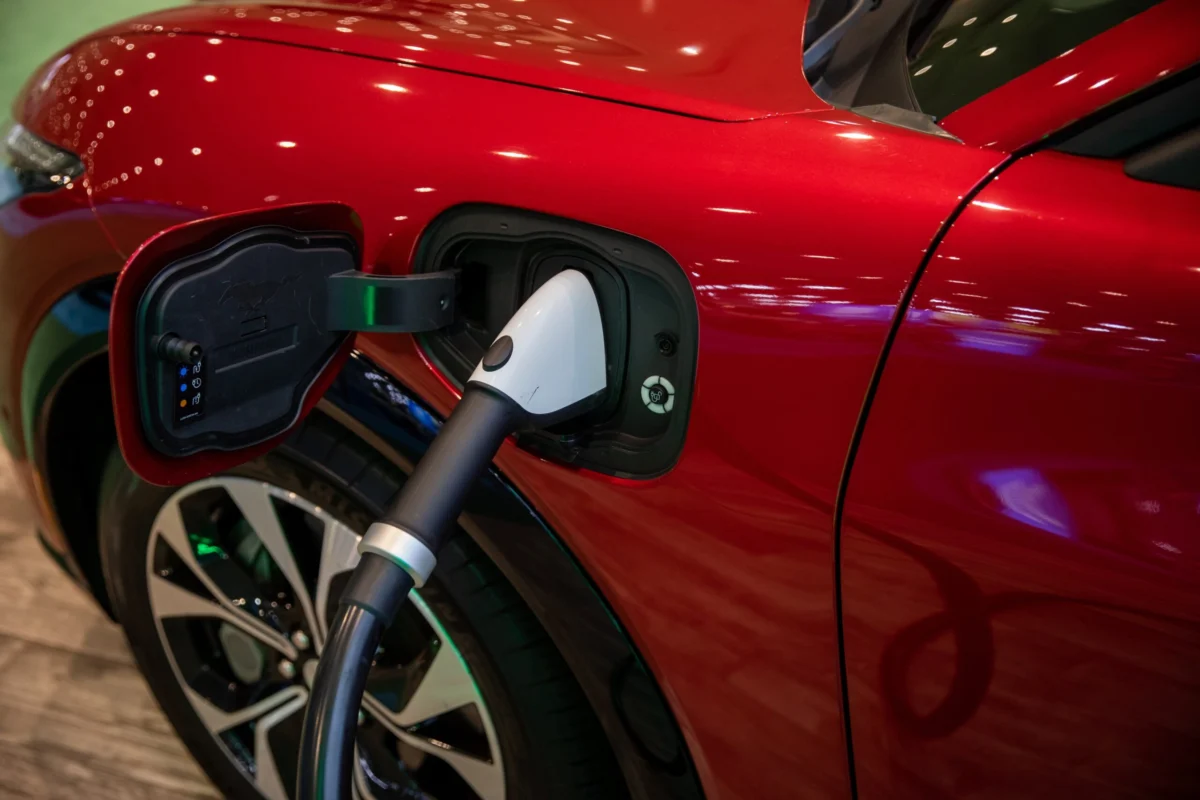
Main Facts: The Silent Infrastructure Revolution
For years, the narrative surrounding electric vehicles (EVs) in the United States has been dominated by a single, persistent anxiety: public charging. Despite billions of dollars in private and public investment, prospective buyers have remained deeply skeptical of the country’s charging grid. According to a comprehensive survey conducted by the American Automobile Association (AAA), just over half of all consumers surveyed cited the inadequacy of public charging infrastructure as a primary barrier to EV adoption.
These apprehensions were not born of mere paranoia. For the early majority of EV adopters who ventured outside the proprietary ecosystem of Tesla’s Supercharger network, road-tripping was often an exercise in frustration. Non-Tesla DC fast chargers were notorious for broken screens, failed payment gateways, handshake errors between the vehicle and the dispenser, and sluggish power delivery. In mid-2023, the situation had grown so dire that automotive journalists and industry advocates began drafting "EV Fast-Charging Bills of Rights," demanding basic operational standards, transparent pricing, and functional hardware.
However, a quiet but monumental shift has occurred over the last three years. Driven by massive capital injections, regulatory pressure, software optimization, and the opening of Tesla’s sprawling Supercharger network to competitor vehicles, the reality of public EV charging has finally caught up with its promises. Recent real-world testing and industry-wide telemetry data reveal that the public charging experience has transitioned from a logistical headache into a highly reliable, near-seamless utility.
Chronology: A Tale of Two Road Trips (2023 vs. 2026)
To understand the scale of this infrastructure transformation, one can look at the contrasting experiences of a recurring road trip route undertaken by automotive testers between New England and eastern Canada.
[2023 Road Trip: Maine]  --> 350 Miles --> Broken Chargers, App Errors, 3 Support Calls
[2026 Road Trip: Montreal] --> 600 Miles --> Working 300kW Stations, Tap-to-Pay, Zero Downtime
Summer 2023: The Nightmare on the Road to Maine
In the summer of 2023, a relatively modest 350-mile round trip from Massachusetts to Maine highlighted the systemic vulnerabilities of the legacy non-Tesla charging network. The vehicle utilized was a first-generation Audi e-tron, an luxury electric SUV with a modest EPA-estimated range of roughly 220 miles per charge. While the vehicle itself was highly capable, the infrastructure supporting it was deeply compromised.
Before departing, the driver mapped out a route using specialized EV trip-planning software to bypass historically unreliable stations. Despite these precautions, the journey was plagued by cascading technical failures:
- The First Stop: Upon plugging into a designated DC fast charger, the session abruptly terminated mid-charge due to a hardware fault.
- The Software Hang: Because the first charger failed to cleanly terminate the session on the network’s backend, the vehicle remained "locked" in the network’s system. When the driver moved the car to an adjacent dispenser, the second charger refused to initiate, prompting an error message.
- Customer Service Bottlenecks: Resolving the software hang required a lengthy phone call to the network’s customer service helpline to manually reset the port.
- Inaccurate App Telemetry: At a subsequent station, the network’s mobile app reported that two out of four plugs were active and operational. In reality, only one plug was functional, creating an artificial bottleneck and driver anxiety.
Ultimately, a trip that should have required a single, stress-free 20-minute top-up degenerated into a seven-hour ordeal requiring three separate calls to customer service.
Summer 2026: Seamless Travel to Montreal
Three years later, the same driver undertook a far more ambitious journey: a 600-mile round trip to Montreal, Canada. Though the driver’s primary vehicle—a modern Kia EV9 boasting nearly 300 miles of range—was temporarily sidelined in the shop due to an air conditioning malfunction, the older, 220-mile-range Audi e-tron was pressed into service once again.
The contrast in experience was stark:
- Integrated Routing: The driver utilized A Better Route Planner (ABRP)—a specialized application now owned by Rivian that utilizes live vehicle telemetry, weather conditions, and topography to map charging stops.
- The Rivian Adventure Network Experience: ABRP routed the vehicle to a newly constructed Rivian Adventure Network charging hub in Lebanon, New Hampshire. The station featured six 300-kilowatt (kW) DC fast chargers, all of which were fully operational.
- Frictionless Payment: Unlike the app-heavy requirements of 2023, the Rivian dispenser accepted a standard credit card swipe immediately, delivering over 140 kW of power—the maximum acceptance rate of the Audi e-tron’s battery architecture.
- International Interoperability: Crossing the border into Quebec, the driver utilized a local Circuit Électrique station. While a minor card-reader glitch required downloading the local utility’s app and pre-loading a digital wallet with $20 CAD, the actual charging session initiated immediately and ran at peak speeds.
The total charging downtime across the entire 600-mile journey amounted to just three 20-minute sessions, neatly aligned with routine restroom, coffee, and lunch breaks. The vehicle was never the bottleneck; indeed, the total time spent plugged in was roughly equivalent to the wait time at the U.S.–Canada border control.
Supporting Data: Measuring the Infrastructure Boom
The dramatic improvement in the EV road-tripping experience is not merely anecdotal. It is backed by robust data tracking both the volume of hardware deployed and the operational reliability of those installations.
Quantitative Growth: Doubling the Grid
According to data compiled by the Joint Office of Energy and Transportation, the physical footprint of the American DC fast-charging network has expanded exponentially.
- In July 2023, the United States possessed approximately 32,000 public DC fast-charging ports. However, a significant percentage of these chargers belonged to Tesla’s proprietary Supercharger network, which was closed to non-Tesla vehicles.
- By mid-2026, the total number of public DC fast chargers had surged to over 64,000—more than doubling the grid’s capacity in less than three years.
This growth curve represents a massive capital deployment by independent charging networks (such as Electrify America, EVgo, and ChargePoint), legacy automakers (such as Rivian and Mercedes-Benz launching proprietary public networks), and traditional oil companies retrofitting gas stations with high-speed dispensers.
U.S. Public DC Fast-Charging Ports (2023 vs. 2026)
2023: [██████████████] 32,000 Ports (Largely Segmented)
2026: [██████████████████████████████] 64,000+ Ports (Highly Interoperable)
Qualitative Leap: The Paren Reliability Index
Equally important is the dramatic rise in charger uptime and session success rates. Historically, chargers were frequently offline due to vandalism, severed cables, software bugs, or component degradation.
Data from Paren, an analytics firm that monitors the health of the U.S. charging grid, highlights a substantial qualitative rebound. Paren’s proprietary reliability index—which tracks successful charging initiations, uninterrupted sessions, and station uptime—registered a major leap forward:
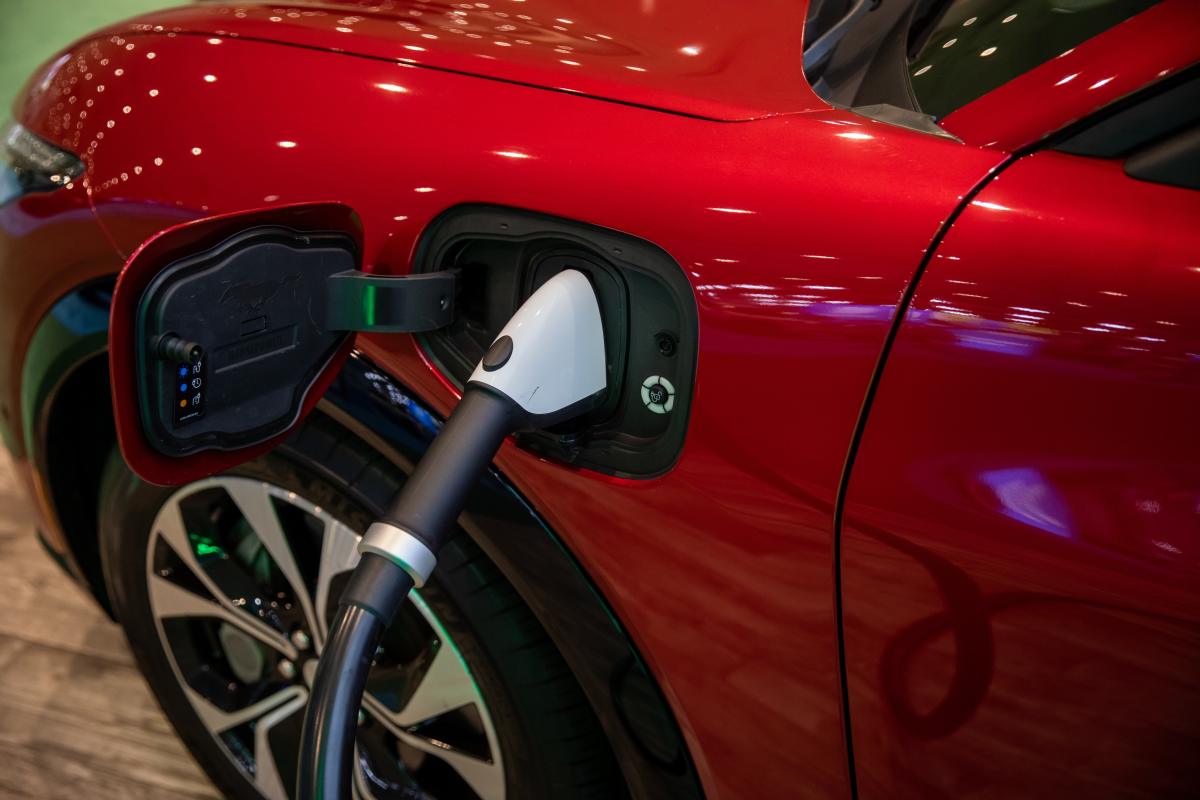
- In 2025, the average reliability index for non-Tesla public fast chargers hovered around a mediocre 85%.
- By Q2 2026, that figure had climbed into the mid-90s.
While Tesla’s network continues to lead the industry in pure uptime, the gap between Tesla and third-party charging networks has narrowed significantly. Increased competition has forced networks to prioritize maintenance, replace legacy first-generation hardware, and sign stricter service-level agreements (SLAs) with technicians.
Industry and Official Responses: Policy, Standards, and Mergers
The rapid transformation of the charging landscape is the direct result of coordinated action across the public and private sectors. Key drivers include regulatory mandates, standardization of charging hardware, and strategic acquisitions.
The NEVI Formula Program and Federal Uptime Mandates
A major catalyst for the stabilization of the charging grid is the federal government’s National Electric Vehicle Infrastructure (NEVI) Formula Program. Established under the Bipartisan Infrastructure Law, NEVI allocated $5 billion to states to build out a nationwide network of high-speed chargers along designated Alternative Fuel Corridors.
Crucially, NEVI funding came with strict strings attached:
- Power Minimums: Stations must feature at least four network-connected DC fast chargers capable of simultaneously delivering at least 150 kW of power per port.
- Uptime Standards: Funded stations must maintain a certified 97% uptime reliability rate. Failure to meet this metric can result in clawbacks of federal funding.
- Location Requirements: Stations must be located no more than 50 miles apart and within one travel mile of the highway.
These federal requirements effectively forced charging networks to abandon cheap, low-power hardware in favor of ruggedized, liquid-cooled dispensers designed for maximum uptime.
The Great NACS Convergence
Perhaps the most significant industry shift occurred when the automotive industry collectively abandoned the Combined Charging System (CCS1) connector in favor of Tesla’s North American Charging Standard (NACS), now standardized as SAE J3400.
[Legacy Era: CCS1 Connector] ---> Fragile latch, bulky cable, poor network uptime
[Modern Era: NACS / J3400]    ---> Compact design, integrated billing, universal access
Following Ford’s landmark agreement with Tesla in mid-2023, nearly every major automaker selling vehicles in North America—including General Motors, Rivian, Volvo, Polestar, Hyundai, Kia, and the Volkswagen Group (including Audi)—committed to integrating the NACS port into their future vehicles and securing adapter access for existing owners.
By opening up the vast, highly reliable Tesla Supercharger network to non-Tesla vehicles, the industry instantly mitigated the "charger desert" problem for millions of drivers, while simultaneously driving third-party networks to improve their own offerings to remain competitive.
Software and Hardware Consolidation
The integration of software has also played a pivotal role in streamlining the charging experience. Rivian’s acquisition of A Better Route Planner in 2023 marked a trend toward deeply integrated software ecosystems. Rather than forcing drivers to manually check multiple apps to verify if a charger is active, modern EV infotainment systems and route-planners now ingest real-time API data directly from charging networks. If a charger goes offline, the navigation system automatically reroutes the driver to an active alternative in real time.
Implications: Redefining the EV Ownership Experience
The stabilization and expansion of the fast-charging network carry profound implications for the automotive industry, consumer psychology, and the broader transition to sustainable transportation.
Dismantling the "Rangemaxxing" Myth
For years, EV manufacturers engaged in a costly range war, striving to engineer vehicles with 400 or 500 miles of battery capacity to soothe consumer range anxiety. However, stuffing massive, heavy batteries into vehicles increases costs, degrades efficiency, and strains supply chains for critical minerals like lithium and cobalt.
The reality of a reliable fast-charging network renders "rangemaxxing" unnecessary. As demonstrated by the Audi e-tron’s successful 600-mile journey, a vehicle with a modest 220-mile range is fully capable of long-distance travel if it can reliably add 100 to 150 miles of range in the span of a 20-minute rest stop. A denser, highly reliable charging network shifts the focus of EV engineering from battery size to charging speed and thermal management.
The Remaining Challenges
While the progress made between 2023 and 2026 is historic, challenges remain on the path to universal, friction-free charging:
- Rural and Urban Deserts: High-speed charging is highly concentrated along major interstate corridors and affluent suburban areas. Rural communities and dense urban centers—where apartment dwellers lack access to overnight Level 2 home charging—remain underserved.
- Payment Standardization: Although credit card readers are becoming more common, the industry still suffers from a fragmented landscape of proprietary apps, RFID cards, and pre-funded digital accounts. The ultimate goal remains "Plug & Charge" (ISO 15118), where a driver simply plugs the vehicle in, and the charger automatically communicates with the car to handle billing securely.
- Heavy-Duty and Towing Needs: Most current DC fast-charging stalls are designed for passenger cars parked head-in. EVs towing trailers, as well as commercial medium- and heavy-duty electric trucks, face significant difficulties maneuvering into standard charging bays.
Conclusion
The narrative that electric vehicles are unsuited for long-distance travel is rapidly becoming an outdated relic of the early-adopter era. Through a combination of rigorous federal standards, industry-wide hardware standardization, and aggressive private infrastructure deployment, the U.S. fast-charging network has grown up. For the millions of drivers still sitting on the fence, the message is clear: the grid is ready when you are.
