



LAS VEGAS — The neon-lit corridors and bustling pedestrian crossings of Las Vegas have officially become the newest proving ground for the driverless future. Waymo, the autonomous vehicle subsidiary of Alphabet Inc., has commenced public operations of its robotaxi service in Sin City. This rollout comes just weeks after the company secured crucial regulatory approval from Nevada transportation authorities, signaling a major acceleration in the commercial autonomous vehicle (AV) race.
With this launch, Las Vegas becomes Waymo’s 15th metropolitan market, solidifying the company’s position as the frontrunner in the rapidly crowding driverless ride-hailing sector. However, the move also sets the stage for an unprecedented competitive showdown, as rival tech giants and automotive manufacturers prepare to flood Clark County with thousands of self-driving cars.
Main Facts of the Las Vegas Rollout
Waymo’s entry into the Las Vegas market is characterized by a controlled, phased deployment designed to acclimate both the technology and the public to the complex local driving environment.
Initial Fleet and Geographic Boundaries
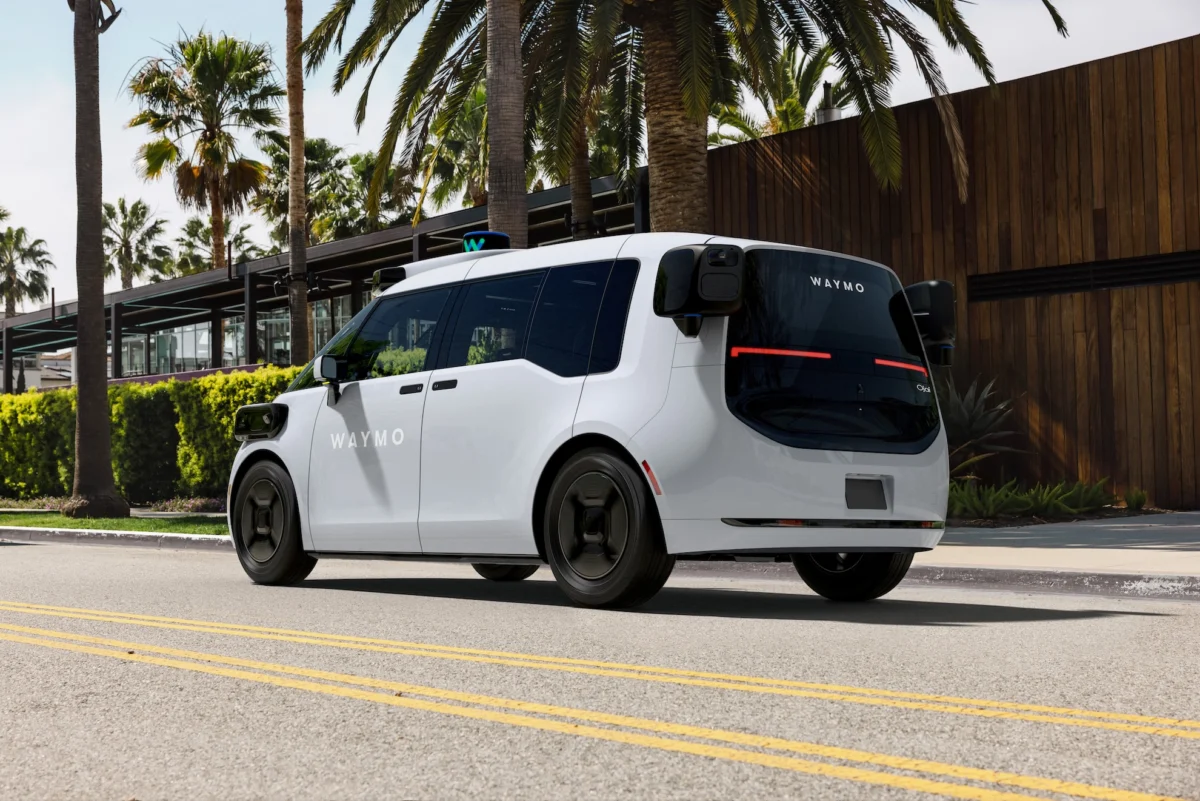
The service is launching with "dozens" of Waymo’s new "Ojai" minivan robotaxis. According to a company spokesperson, the initial service area is highly strategic, targeting the dense tourist and transit corridors of the city. The boundary encompasses the world-famous Las Vegas Strip south of Highway 589 (Desert Inn Road) and extends west into the Boulder Junction neighborhood.
This specific geography presents a unique set of challenges for autonomous driving systems, including erratic pedestrian movements, frequent drop-offs, complex multi-lane merges, and intense night-time glare from the city’s massive LED displays.
The Access Model
Following its established commercial playbook, Waymo is not opening the service to the general public all at once. Instead, the company is inviting riders on a rolling basis.
- The Invite System: Local residents and visitors must download the Waymo One app and request an invite.
- Access Codes: Selected users will receive an access code enabling them to hail rides.
- Full Public Launch: Historically, Waymo transitions from this restricted invite-only phase to a fully open public service within one to two months, depending on system performance and fleet scaling.
Chronology of Waymo’s Expansion and Regulatory Approval
Waymo’s arrival in Las Vegas is the culmination of years of iterative software development, millions of testing miles, and a highly structured regulatory campaign.
[August 2026]           Nevada Transportation Authority grants commercial permits.
       │
[September 1, 2026]     Waymo launches public pilot services in Denver, San Diego, and Tampa.
       │
[Mid-September 2026]    Waymo officially initiates invite-only public rides in Las Vegas.
The Regulatory Greenlight
The immediate catalyst for the Las Vegas launch occurred in August 2026, when the Nevada Transportation Authority (NTA) granted final approval for commercial robotaxi operations in Clark County. The regulatory body issued permits to three major players: Waymo, Tesla, and Uber (the latter operating via partnerships with Motional and Zoox). This decision effectively cleared the legal hurdles for large-scale, paid driverless rides in the state.
A Multi-City Expansion Blitz
The Las Vegas launch is part of an aggressive, multi-city expansion strategy executed by Waymo in late 2026.
- Early September 2026: Waymo accelerated its national footprint by offering robotaxis to invited members of the public in Denver, Colorado; San Diego, California; and Tampa, Florida.
- Mid-September 2026: Following the success of these initial rollouts, Waymo officially initiated its Las Vegas service, marking its 15th active market.
- Historical Context: Waymo’s current active service areas include major metropolitan hubs such as Phoenix, San Francisco, Los Angeles, Austin, Dallas, Houston, Miami, Nashville, and now Las Vegas. The company previously launched services in San Antonio, though operations there are currently paused.
Supporting Data: The Battle for Nevada’s Roads
To understand the scale of the impending autonomous vehicle influx in Clark County, one must look at the maximum vehicle caps authorized by the Nevada Transportation Authority. The permits allow for an unprecedented volume of driverless cars to enter the local market over the next 12 months.

Authorized Fleet Sizes in Clark County (12-Month Caps)
| Company / Operator | Authorized Vehicle Limit | Primary Vehicle Platform / Partners |
|---|---|---|
| Tesla | 5,000 | Cybercab / Custom EV Fleet |
| Waymo | 1,000 | Ojai Minivan Platform |
| Uber (Partnerships) | 1,000 | Motional (Hyundai Ioniq 5) & Zoox |
| Total Authorized Fleet | 7,000 | — |
Reality vs. Regulatory Limits
While the NTA has cleared the way for up to 7,000 robotaxis to roam Clark County, industry analysts and the companies themselves acknowledge that actual deployments will start much smaller.
- Waymo’s Global Footprint: Waymo currently operates a total global fleet of just over 4,000 vehicles spread across its 15 markets. Allocating 1,000 vehicles to Las Vegas alone would represent a massive concentration of its total hardware assets.
- Tesla’s Scaling Targets: During regulatory hearings, Tesla representatives tempered expectations regarding immediate mass deployment, indicating that actual vehicle numbers would scale up gradually rather than hitting the 5,000-vehicle cap immediately.
Official Responses and Regulatory Context
The deployment of driverless fleets on public roads has drawn varied responses from corporate executives, state regulators, and local stakeholders.
Tesla’s Engineering Perspective
During an NTA hearing in August 2026, Eric Early, Tesla’s Cybercab chief engineer, addressed state regulators regarding the company’s realistic deployment timeline under their new permit.
"We would be extremely happy and satisfied if we could get ourselves up to 2,500, maybe a bit higher than that in the next year," Early stated, emphasizing that safety and operational validation would dictate their expansion speed rather than rushing to meet the 5,000-vehicle limit.
Waymo’s Strategic Position
Waymo has consistently emphasized its methodical, safety-first approach to scaling. A spokesperson noted that the company’s "rolling basis" playbook has been successfully refined across 14 other cities. By starting with a limited geographic zone and a select group of riders, Waymo aims to build trust with local communities and gather critical operational data before opening the app to the millions of tourists who visit Las Vegas weekly.
Local Regulatory and Labor Concerns
While state regulators at the NTA have embraced the economic and technological promise of AVs, local labor unions—particularly those representing taxi and ride-hailing drivers in Las Vegas—have expressed concern. Representatives from the local transport alliances have urged the city to closely monitor the impact of robotaxis on traffic congestion, curb management at major resorts, and the livelihoods of human drivers who depend on the tourism economy.
Strategic Implications for the Autonomous Vehicle Industry
The launch of Waymo in Las Vegas is more than just a geographic expansion; it is a critical milestone in the commercialization of autonomous driving technology. The city represents a unique, high-stakes crucible for several reasons.
Why Las Vegas is the Ultimate AV Battleground
- The Tourism Density: Las Vegas attracts over 40 million visitors annually. For AV companies, this represents a highly concentrated pool of potential customers who are open to novel experiences, making it an ideal environment for consumer brand building.
- 24/7 Demand Cycles: Unlike traditional commuter cities where ride-hailing demand peaks during morning and evening rush hours, Las Vegas features a continuous, round-the-clock demand cycle driven by nightlife, conventions, and hospitality shifts.
- Complex Urban Geometry: The combination of massive resort driveways, pedestrian skybridges, erratic traffic patterns, and heavy congestion makes Las Vegas a supreme test of an autonomous system’s perception and planning capabilities.
                    ┌────────────────────────┐
                    │  LAS VEGAS AV MARKET   │
                    └───────────┬────────────┘
                                │
         ┌──────────────────────┼──────────────────────┐
         ▼                      ▼                      ▼
┌─────────────────┐    ┌─────────────────┐    ┌─────────────────┐
│  WAYMO (OJAI)   │    │  ZOOX (AMAZON)  │    │ TESLA (CYBERCAB)│
│ Fleet: Dozens   │    │ Status: Active  │    │ Permit: 5,000   │
│ Model: App-Hail │    │ Model: Purpose- │    │ Model: Network  │
│                 │    │        Built Pod │    │        Rides    │
└─────────────────┘    └─────────────────┘    └─────────────────┘
The Threat of Urban Saturation
If Waymo, Tesla, and Uber’s partners scale up to even half of their permitted capacities, Clark County could see upwards of 3,000 to 4,000 robotaxis operating simultaneously by late 2027. This level of density raises significant urban planning questions:
- Curb Space Management: Major resorts on the Strip have designated, limited areas for ride-hailing drop-offs. An influx of thousands of driverless vehicles could lead to severe bottlenecks at hotel lobbies.
- Traffic Flow: While AVs are programmed to obey traffic laws meticulously, their defensive driving style can sometimes lead to traffic impediments, such as stalling in intersections when faced with ambiguous pedestrian behavior.
- Public Perception: A highly publicized incident involving a robotaxi blocking emergency vehicles or causing a traffic jam on the Strip could trigger a regulatory backlash, similar to the challenges faced by AV operators in San Francisco.
Competitive Dynamics
Waymo’s launch directly challenges Amazon-owned Zoox, which is already operating a commercial service in Las Vegas with its purpose-built, bidirectional passenger pods. Additionally, the impending entry of Tesla’s dedicated Cybercab fleet and Uber’s integrated partner network means that the market will soon transition from a technology demonstration to a fierce price-and-service war.
For Alphabet, maintaining Waymo’s first-mover advantage in Las Vegas will be crucial to proving that its heavily capitalized, sensor-rich approach (utilizing lidar, radar, and cameras) can outcompete Tesla’s low-cost, camera-only vision system in one of the most challenging driving environments in the world.
