





By Editorial Staff
Published August 3, 2026
For two consecutive years, Los Angeles appeared to be turning the tide in its battle against a chronic homelessness crisis that has defined the region for decades. However, the latest data from the Los Angeles Homeless Services Authority (LAHSA) reveals a sobering reversal: the number of unhoused individuals has trended upward once again. Local agencies and policy experts point to a clear, systemic culprit behind this regression: a drastic contraction in public funding, specifically regarding rental subsidies and rapid rehousing initiatives.
As the city and county grapple with the fallout, the crisis has become a focal point of intense political friction, administrative instability, and a broader struggle over how municipal governments should manage the most vulnerable populations in an era of tightening fiscal belts.
The Core Catalyst: A Funding Bottleneck
The primary driver behind the recent spike in homelessness is the sharp reduction in "rapid rehousing" programs. These initiatives, which provide time-limited rental assistance—often covering up to 24 months—are designed to provide a low-barrier bridge for individuals transitioning out of encampments or interim shelters and into permanent housing.
According to LAHSA’s internal analysis, the numbers paint a stark picture of the consequences of austerity. In 2024, the program successfully facilitated housing for 10,308 individuals. Due to funding cuts and the subsequent administrative stalling of these subsidies, that number plummeted to 6,590 last year.
"This year’s count confirms a fundamental truth: access to permanent housing ends homelessness," said Gita O’Neill, Interim Chief Executive Officer of LAHSA, in a recent news release. "When our unhoused neighbors lost access to rental subsidies, the system slowed, there was less upward movement in interim housing, and progress stalled."
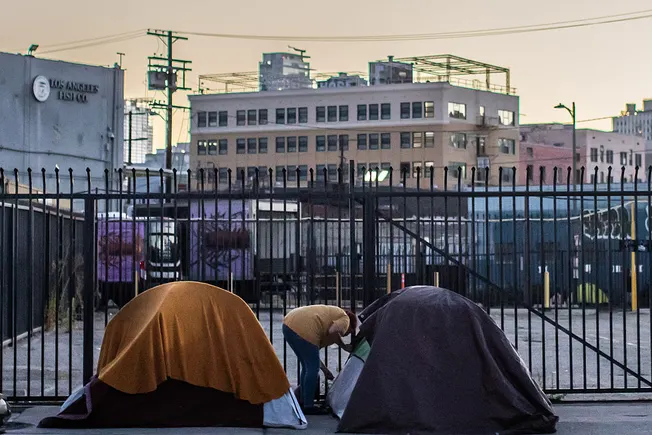
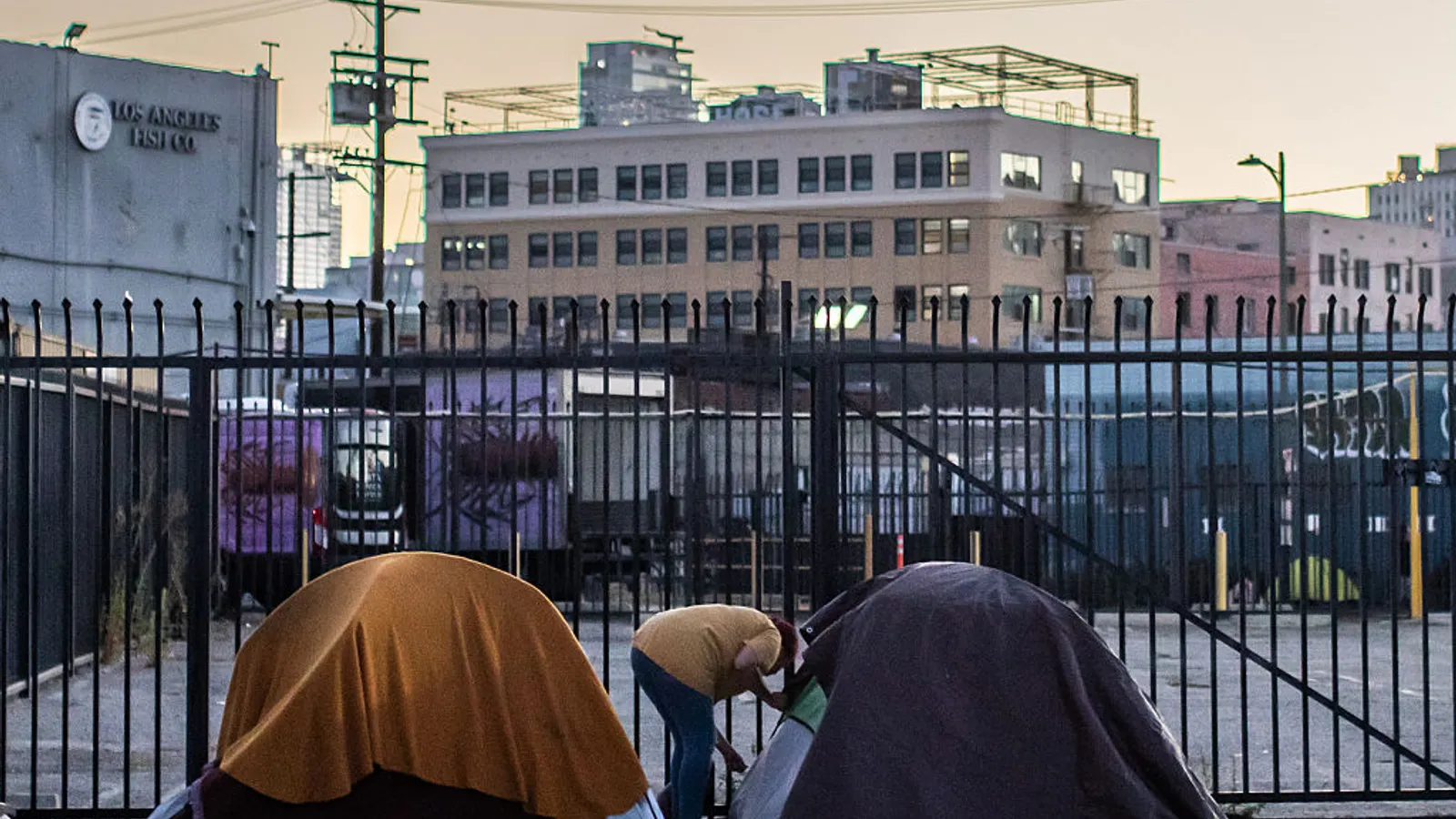
The "bottleneck" described by O’Neill creates a cascading failure. When individuals cannot transition out of temporary shelters into permanent housing, those beds remain occupied, preventing new people from entering the system. This leads to increased visibility of homelessness on city streets and a strain on emergency resources.
A Chronology of Instability
To understand the current crisis, one must look at the sequence of events that eroded the city’s ability to respond effectively over the last 24 months.
- 2023–2024 (The Peak of Success): Los Angeles saw two years of measurable declines in homelessness as post-pandemic recovery funds and state-level grants were deployed heavily into rental subsidies and street outreach.
- Late 2024 (The Fiscal Cliff): State funding through the Homeless Housing, Assistance and Prevention (HHAP) program was significantly slashed. Local leaders warned that the cuts were premature and would lead to a resurgence of encampments.
- Mid-2025 (Administrative Fracturing): Los Angeles County formally pulled its support from LAHSA, initiating the creation of a separate, independent agency citing the need for "increased accountability."
- June 2026 (The Federal Intervention): The U.S. Department of Housing and Urban Development (HUD) suspended federal funding to LAHSA, launching an investigation into what the agency described as "irresponsible actions and failures" regarding fiscal oversight.
- July 2026 (The Present Reckoning): As LAHSA sues HUD to protect federal funding for 11,000 residents, Mayor Karen Bass signaled an intent to move away from the current system entirely, calling for a new, "results-driven" model.
Data-Driven Disruption
The relationship between funding and homelessness outcomes is linear. When the rapid rehousing pipeline is cut, the "inflow" of people becoming homeless continues, but the "outflow" of people moving into permanent residences slows significantly.
Economic analysts note that the cost of homelessness—which includes emergency room visits, police intervention, and sanitation costs—often exceeds the cost of a two-year rental subsidy. However, the political reality of budget cycles often prioritizes short-term cuts over long-term fiscal prudence.
While the state government has since attempted to rectify the situation by restoring $900 million to the HHAP program, the damage done to the infrastructure of service providers—many of whom shuttered or laid off staff during the funding gap—remains a significant hurdle. The restoration of money does not automatically translate into the restoration of capacity.
Official Responses and Political Turmoil
The political landscape surrounding this issue is currently one of the most volatile in the country. The tension between the City of Los Angeles, the County, and federal regulators has created a fragmented approach to service delivery.

The LAHSA-HUD Conflict
The lawsuit filed by LAHSA against the Trump administration is a rare escalation in the world of urban policy. By challenging the suspension of federal funding, LAHSA is attempting to safeguard the housing of over 11,000 Angelenos who are currently caught in the crossfire of bureaucratic investigations. Critics of LAHSA, however, argue that the agency has become a symbol of administrative bloat and inefficiency.
The Mayor’s Pivot
Mayor Karen Bass has been vocal in her dissatisfaction with the status quo. Her comments on July 23 provided a glimpse into the future of Los Angeles’ homeless strategy. "The money wasn’t tracked, providers went unpaid, and public trust eroded," Bass stated. "I’m not going to defend a broken system. The City must build something better—results-driven, transparent, and centered around the people we’re trying to help, not the bureaucracy."
This rhetoric suggests that the city is preparing for a major structural overhaul, potentially moving away from the centralized LAHSA model toward a series of smaller, more accountable, and perhaps city-controlled entities.
Implications: The Human and Social Cost
The implications of these policy and funding shifts go far beyond spreadsheets and court filings. The most immediate impact is on the thousands of individuals currently living in encampments.
Public Health and Safety
The increase in homelessness leads to increased public health risks, including the spread of communicable diseases and a higher mortality rate among the unhoused population. Furthermore, the lack of consistent service delivery means that outreach workers, who build trust with individuals to encourage them to accept shelter, lose that momentum when programs are suddenly shuttered.
The Erosion of Public Trust
Perhaps the most damaging long-term implication is the degradation of public trust. When taxpayers see that millions—or billions—of dollars are being spent, yet homelessness is rising, they are less likely to support future tax measures or bond initiatives. This creates a cycle where the lack of results leads to a lack of funding, which in turn leads to even worse results.

The "Accountability" Trap
The push by Los Angeles County to launch its own agency is emblematic of a trend in American municipal governance: replacing existing institutions with new ones when public dissatisfaction peaks. While the stated goal is "accountability," critics warn that this creates a "silo effect," where the city and county become less integrated, making it harder to coordinate services for individuals who move across jurisdictional lines.
A Path Forward?
The path out of this crisis requires more than just the restoration of the $900 million in state funding. Experts suggest that the region needs:
- Unified Data Systems: Ensuring that the City and County are using the same metrics to track the efficacy of services, preventing the "blame game" that currently defines their relationship.
- Long-Term Fiscal Certainty: Moving away from reliance on emergency, time-limited funding that creates "cliffs" where programs are forced to terminate even when they are working.
- Regulatory Reform: Streamlining the process for creating permanent housing units so that rental subsidies are actually backed by available inventory.
The current situation in Los Angeles serves as a case study for the rest of the nation. It highlights that homelessness is not merely a social issue, but an administrative and fiscal one. As the city prepares for a potential transition to a new service provider model, the focus must remain on the individuals whose stability is the ultimate metric of success.
Without a cohesive, well-funded, and transparent strategy, the risk is not just a stagnation of progress, but a long-term entrenchment of a crisis that threatens the viability and compassion of the city’s civic life. The upcoming months will be a litmus test for Mayor Bass’s administration and for the ability of Los Angeles to reinvent its social safety net under intense public and federal scrutiny.
