





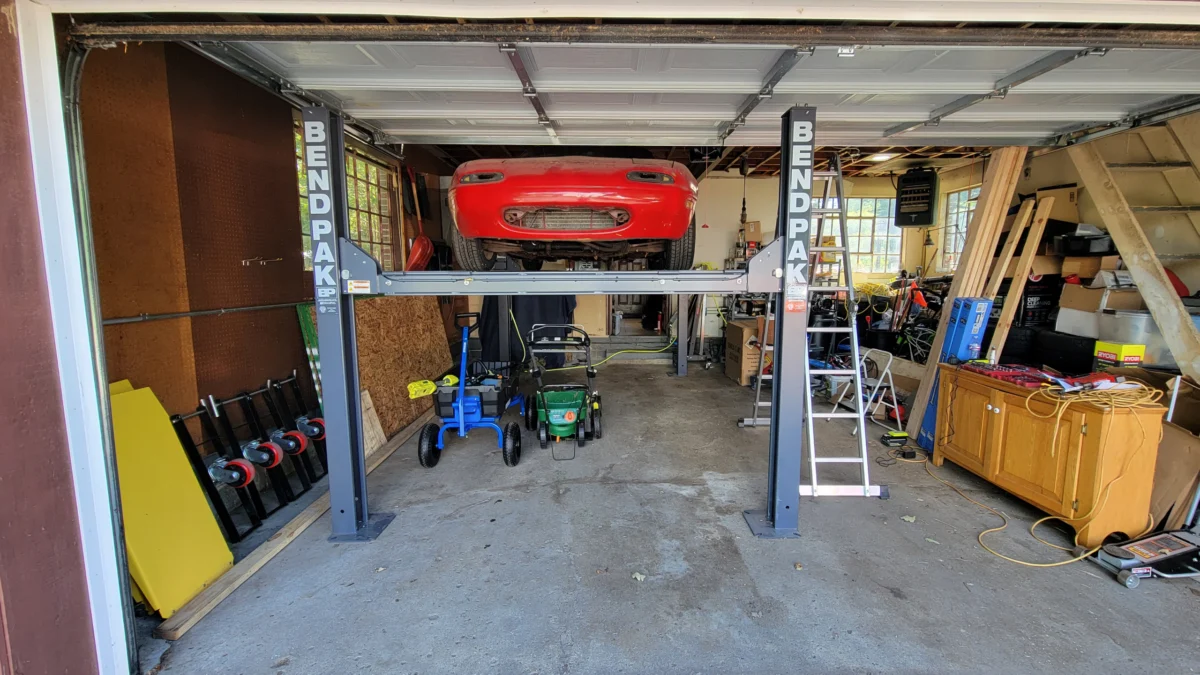
For the average automotive enthusiast, the garage is more than just a structure—it is a sanctuary. It is the place where maintenance happens, where projects take shape, and where the daily driver is shielded from the elements. Yet, walk down any suburban street in America, and you will likely find a jarring contradiction: garages overflowing with cardboard boxes, seasonal decor, and forgotten exercise equipment, while the family vehicles sit parked in the driveway, exposed to the sun, rain, and snow.
According to a survey conducted by Craftsman, only about one-third of American homeowners who own a garage actually use it to store a vehicle. The rest have surrendered this prime real estate to the inevitable tide of household "clutter." But to frame this purely as a lack of organization is to ignore a far more systemic issue: the modern American garage is shrinking, even as the vehicles it was designed to protect are ballooning to record sizes.
The Great Disconnect: Diminishing Space Meets Expanding Steel
The fundamental friction in the modern home stems from a widening gap between vehicle architecture and residential construction standards. Over the past three decades, the automotive industry has pivoted heavily toward larger vehicles. The Ford F-150, for instance, has grown significantly, with the popular SuperCrew configuration measuring approximately 230 inches—or 19 feet—in length.
When you factor in the necessity of a buffer zone for bumpers, wall clearance, and the ability to move around the vehicle, a standard 20-foot-deep garage—the "gold standard" for most suburban developments—becomes functionally obsolete. If a vehicle is 19 feet long and the garage is 20 feet deep, you are left with just 12 inches of total clearance. This makes walking between the front bumper and the garage door, or the rear bumper and the back wall, a logistical impossibility. For the owner of a modern pickup truck or a full-size SUV, the typical garage is not a parking space; it is a tight, stressful puzzle that often leads to damaged drywall or dinged bumpers.
Chronology of a Crisis: From Carriage Houses to Modern Suburbia
To understand why our garages are failing us, we must look at the evolution of home construction. In the early to mid-20th century, the garage—or "car-hole," as some refer to it—was often an afterthought, a functional outbuilding. However, as the automobile became the center of American life, the attached garage became a standard feature of the mid-century suburban boom.
- 1950s–1970s: The post-war housing boom prioritized large, deep lots. Garages were built with generous dimensions, often featuring high-pitched roofs that allowed for substantial attic storage.
- 1980s–1990s: The shift toward "Colonial Revival" and ranch-style homes introduced lower-pitch rooflines. While aesthetically pleasing, these designs sacrificed the massive overhead storage capacity of the previous generation.
- 2000s–Present: As property values skyrocketed, developers began to "cannibalize" garage square footage. By shrinking the footprint of the garage, builders could squeeze more livable space into the home or add an extra unit to a subdivided lot.
Simultaneously, the transition from traditional basement foundations to "slab-on-grade" construction eliminated a massive storage reservoir. With no basement to store holiday decorations or bulky tools, the garage became the default storage unit for everything that didn’t fit in the living room.
The Data: A Perfect Storm of Inefficiency
The data suggests that the "stuff-creep" phenomenon is not a result of human laziness, but rather a direct response to architectural limitations.
Engineering Constraints
Modern roof trusses are engineered with a singular, lean focus: to support the weight of the roof, the drywall, and the insulation. Unlike the hand-framed rafters of the 1940s, which could often support the weight of boxes and furniture in an attic, today’s engineered trusses are structurally incapable of bearing significant "attic load." When you lose the basement and the attic simultaneously, the garage becomes the only remaining volume available for overflow.

The "Livability" Trade-off
Building codes in many urban and suburban municipalities are rigid. When a developer is restricted by a maximum total square footage for a property, they face a choice: increase the size of the kitchen or increase the size of the garage. Given that real estate marketing relies on "livable square footage" to determine price, the garage is almost always the first victim of cost-cutting. Consequently, a garage labeled as "20×20" on a floor plan may, after the installation of interior walls, stairs leading into the home, and support columns, yield only 17 or 18 feet of usable depth.
Official Perspectives and Regulatory Hurdles
Local planning and zoning commissions exert significant control over these outcomes. In many regions, ordinances mandate that the "footprint" of a home cannot exceed a certain percentage of the lot size. This often pits the homeowner’s desire for a larger, modern garage against municipal aesthetic and density goals.
Many architects note that homeowners looking to build custom, larger garages face an uphill battle. The cost of excavating for a larger footprint, combined with the permitting fees and the potential for a "variance" hearing, can add tens of thousands of dollars to a project. As one architect noted, "We are effectively being forced to build garages for cars that existed in 1995, even though the average buyer is driving a vehicle that is two feet longer and six inches wider."
Implications for the Future of Automotive Ownership
What are the long-term consequences of this spatial mismatch?
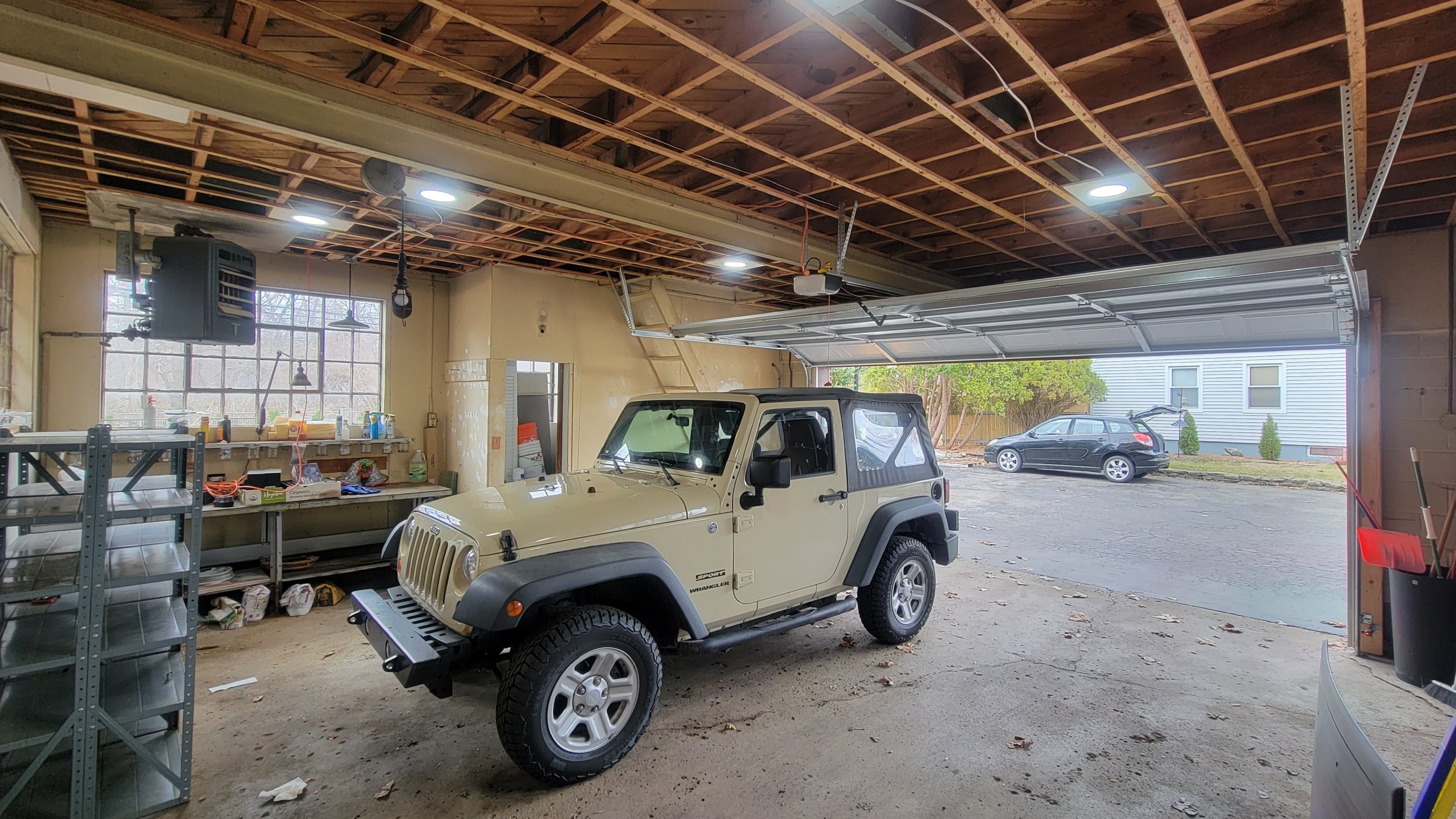
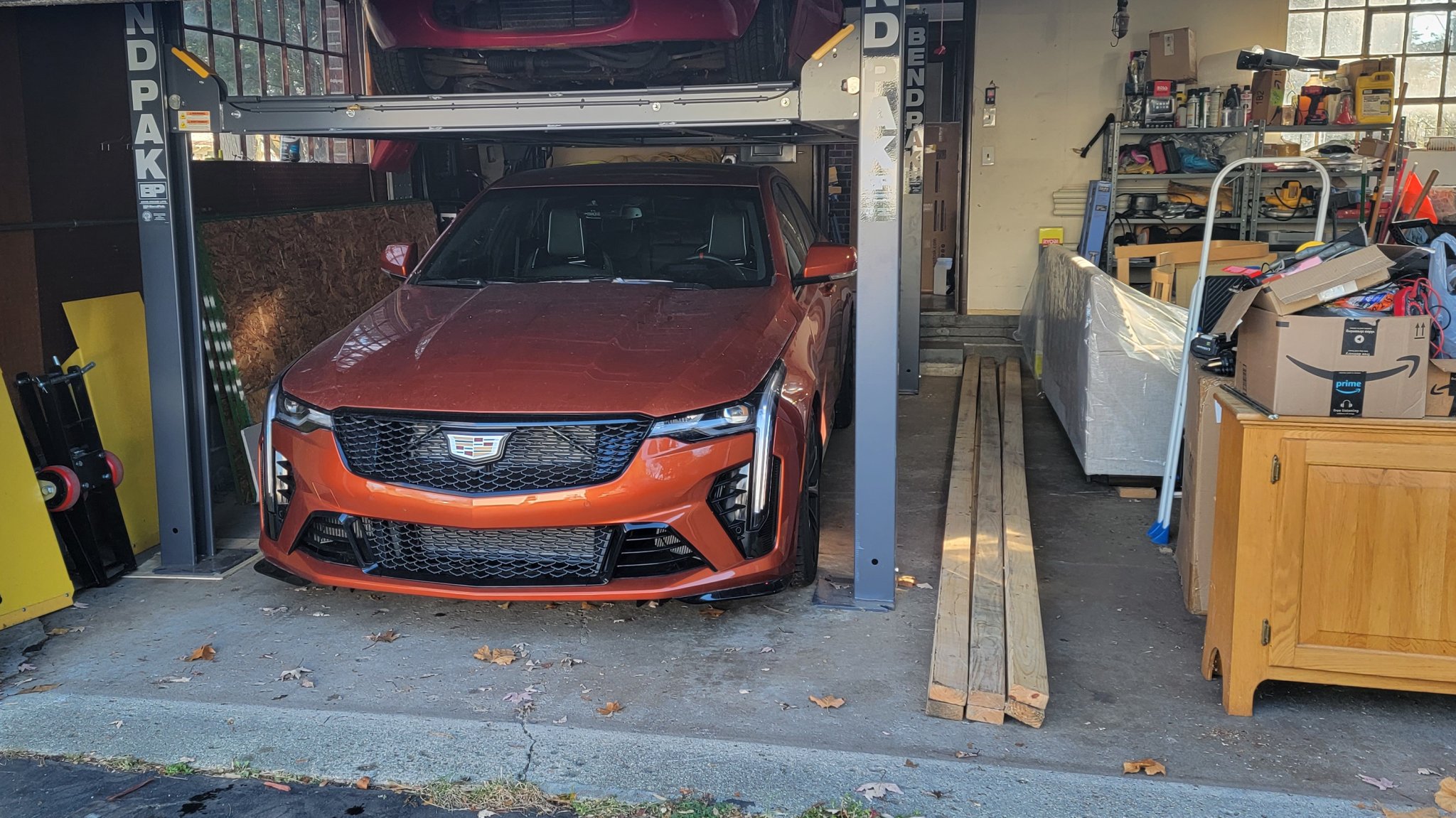
- Accelerated Vehicle Depreciation: Vehicles stored outdoors are subjected to the full force of UV rays, hail, snow, and extreme temperature fluctuations. This shortens the lifespan of paint, rubber seals, and interior materials, ultimately harming the resale value of the asset.
- The Rise of Off-Site Storage: As homeowners struggle to fit their belongings and their cars into limited spaces, the self-storage industry has exploded. Consumers are essentially paying a "storage tax" on their possessions simply because their homes were built without adequate utility space.
- Modified Consumer Behavior: We are seeing a shift in vehicle purchasing patterns. Some buyers are specifically opting for smaller, more maneuverable crossovers not because they want them, but because they are the only vehicles that can realistically fit into their existing garage alongside their lawnmower and bicycle collection.
Finding a Path Forward: The Customization Solution
For those who have the resources to renovate, the current trend is to move away from "standard" dimensions toward custom footprints that prioritize width over depth. A wider garage allows for better door clearance, making it easier to load groceries or children, even if the depth remains restricted.
By moving toward 12-foot-wide bays—rather than the traditional 9 or 10-foot widths—homeowners can maximize the utility of their limited space. Even if the garage is only 22 feet deep, the increased width provides a psychological and physical sense of roominess that makes it easier to keep the space organized.
Conclusion: Reclaiming the Garage
The "epidemic of stuff" is not merely a sign of consumerism; it is a symptom of a housing market that has prioritized interior square footage over utility. As cars continue to grow, the gap between our modern expectations and our physical infrastructure will only widen.
The next time you find yourself frustrated while trying to squeeze your vehicle into a cramped, cluttered garage, remember: you are not necessarily the problem. You are living in a home built for a different era of transportation, struggling against the modern architectural tendency to minimize space in the name of efficiency. Whether through aggressive decluttering, the use of vertical storage systems, or the eventual renovation of your space, the challenge remains: how do we make our homes work for our machines?
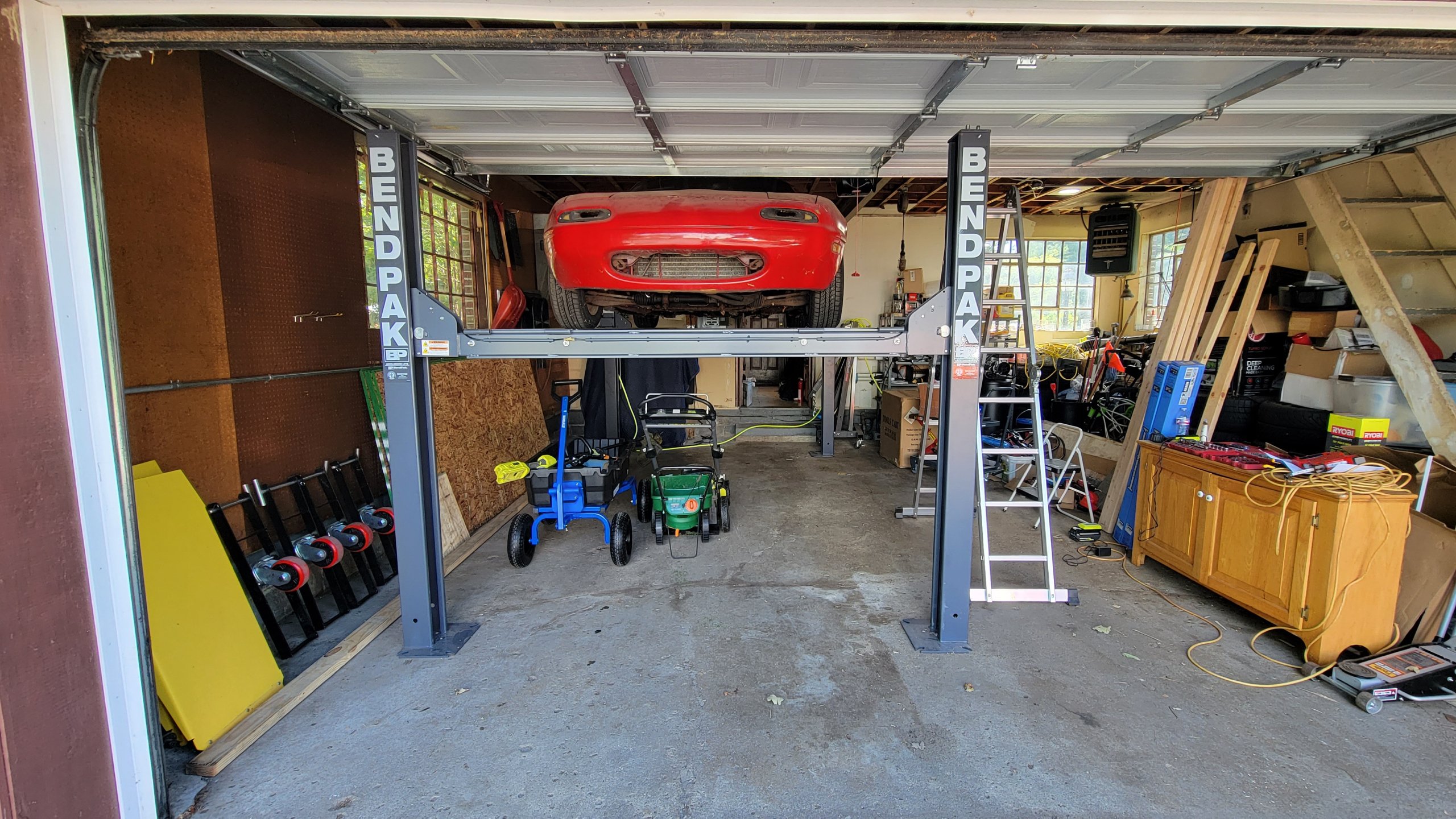
For now, the best advice for the enthusiast is to audit their "stuff." If the garage is the only place it can go, it might be time to rethink what we actually need to keep—or, for those with the means, to start planning that garage expansion that finally fits the trucks of today, not the sedans of yesterday.
