




By Labor Policy Correspondent
July 30, 2026
The National Employment Law Project (NELP), a cornerstone of American labor advocacy for over half a century, announced a major leadership expansion today. In a move designed to pivot toward the challenges of a rapidly evolving, AI-integrated economy, the organization has appointed three nationally recognized policy veterans to senior roles.
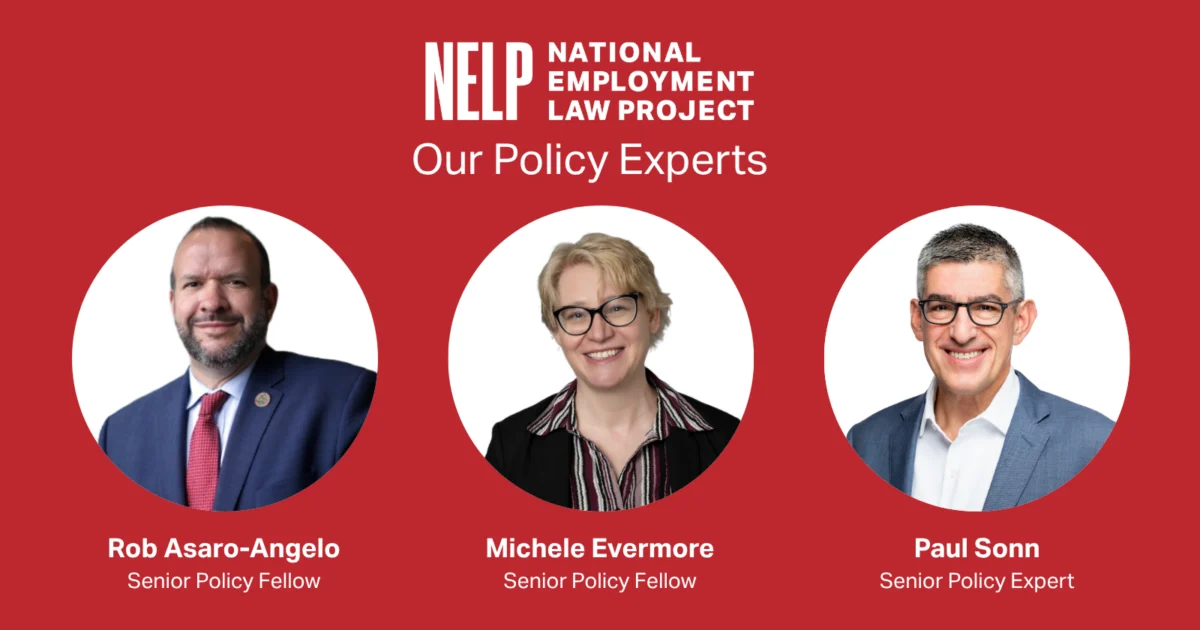
As the American workforce grapples with the dual pressures of technological displacement and the persistent need for wage equity, NELP’s strategic restructuring aims to bridge the gap between high-level research and on-the-ground legislative advocacy. The appointments of Rob Asaro-Angelo, Michele Evermore, and Paul Sonn signal a renewed commitment to systemic reform, specifically targeting enforcement, social insurance modernization, and wage affordability.
The Strategic Shift: A New Nucleus for Worker Advocacy
The appointments come at a critical juncture for labor rights. With inflation, automation, and the erosion of traditional employment models placing unprecedented strain on working families, NELP’s leadership is looking to fortify its influence across state and federal jurisdictions.
"We are thrilled to have such extraordinary leaders as Rob, Michele, and Paul taking on these significant new roles for NELP," said Rebecca Dixon, President and CEO of NELP. "Among the nation’s most renowned worker advocates, each is an accomplished architect of both visionary policies and winning campaigns. Together, they will be the nucleus of a team that advances transformative policies for workers across the country."
The organization’s mission—to foster an economy where workers thrive in high-quality, secure jobs—will now be funneled through a more specialized strategic framework. The new appointees will lead initiatives focused on "worker-first" protections, the modernization of social safety nets, and the creation of next-generation wage policies.
Chronology of Leadership and Institutional Evolution
The trajectory of these three leaders reflects the broader history of the American labor movement over the last two decades. Their backgrounds are not merely academic; they are rooted in the legislative trenches of the 21st century.
Rob Asaro-Angelo: From State House to National Policy
Rob Asaro-Angelo’s transition to Senior Policy Fellow for Worker-First Protections follows an eight-year tenure as Commissioner of the New Jersey Department of Labor and Workforce Development (NJDOL). Between 2018 and 2026, Asaro-Angelo oversaw one of the most proactive labor departments in the country. His legacy in New Jersey includes the implementation of a $15 minimum wage, the creation of a "Temporary Workers’ Bill of Rights," and groundbreaking efforts in pay transparency. His appointment signifies NELP’s intent to translate successful state-level models into a national blueprint for enforcement and anti-wage theft initiatives.
Michele Evermore: The Return of an Architect
Michele Evermore’s return to NELP is a homecoming for a woman often cited as the nation’s leading expert on Unemployment Insurance (UI). Her career arc has moved from NGO advocacy to the heart of the federal government and back again. After serving as the Deputy Director for Policy in the U.S. Department of Labor’s Office of Unemployment Insurance Modernization during the Biden administration, Evermore’s return underscores the importance of the institutional knowledge she brings to the table. Her previous work with NELP during the height of the COVID-19 pandemic helped secure vital, historic expansions for millions of unemployed workers, setting the stage for her current role as Senior Policy Fellow for Economic Security and Worker Transitions.
Paul Sonn: The Veteran Strategist
Paul Sonn’s role as Senior Policy Expert for Wages and Affordability is a natural progression for a man who has been at the center of the "Fight for $15" and the living wage movement. Having served as NELP’s state policy program director, Sonn is an institutional constant who has helped design and defend the very first city-level minimum wage laws in the United States. His transition into a focused role on wages and AI-related workplace guardrails reflects the shifting landscape of economic justice, where the fight for a living wage must now coexist with the fight for algorithmic accountability.
Supporting Data: The Need for Reform
The urgency behind these appointments is underscored by the current economic landscape. According to recent labor market analyses, the American workforce is facing three distinct, intersecting crises:
- The Enforcement Gap: Despite federal and state regulations, wage theft remains rampant. Millions of dollars are diverted from workers annually through misclassification and unpaid overtime. Asaro-Angelo’s focus on maximizing the effectiveness of state enforcement capacity is designed to close this gap.
- The UI Infrastructure Crisis: The pandemic exposed severe technical and systemic deficiencies in state Unemployment Insurance systems. With modern labor transitions—often accelerated by AI—becoming more frequent, Evermore’s work on "job transitions" is essential for ensuring that the social safety net is not just a reactive measure, but a proactive tool for career longevity.
- Wage Stagnation and Affordability: While productivity has continued to rise, real wages for many low-income workers have failed to keep pace with the cost of housing, healthcare, and childcare. Sonn’s strategy of linking wage policy to broader affordability initiatives acknowledges that raising a minimum wage is only half the battle in an era of high-cost living.
Implications for the Future of Work
The implications of this leadership shift are significant for both policymakers and the private sector. By focusing on "AI-driven job transitions" and "just cause" job protections, NELP is signaling that the next frontier of labor law is not just about pay, but about the quality of employment in an era of automation.
Combating Technological Displacement
As AI tools become ubiquitous in the workplace, the risk of discriminatory algorithmic management and sudden displacement increases. Paul Sonn’s leadership in developing "guardrails for tech and AI" suggests that NELP intends to lead the legislative charge in creating protections that ensure workers have a seat at the table when their roles are modified or replaced by new technologies.
Strengthening Enforcement Capacity
Asaro-Angelo’s expertise will be crucial in helping state agencies modernize. By utilizing data-driven enforcement strategies—such as identifying industries prone to labor standards violations—NELP hopes to increase the efficiency of state labor departments that are often underfunded and overwhelmed.
Modernizing the Safety Net
Evermore’s return to the fold suggests a move toward a more portable, comprehensive social insurance system. As the "gig economy" and contract-based work continue to grow, the traditional, employer-tied unemployment system is increasingly obsolete. Her work will likely focus on creating portable benefits that follow the worker, regardless of the nature of their employment contract.
About the National Employment Law Project (NELP)
Founded in 1969, the National Employment Law Project has spent over 55 years advocating for the rights of working people. With a reach that has impacted an estimated 100 million workers and their families, the organization has evolved from a legal support entity into a comprehensive policy think tank and advocacy powerhouse.
By bridging the gap between local grassroots campaigns and national policy frameworks, NELP has successfully shifted the discourse on issues ranging from paid sick leave to the criminal justice-related barriers to employment. These new appointments represent a continuation of that legacy—a commitment to evolving alongside the economy to ensure that the promise of the American Dream remains attainable for all, regardless of the technological or structural shifts that define the modern era.
For further information on the organization’s current initiatives and its policy research, please visit www.nelp.org.
Conclusion: A Strategic Pivot
The appointment of Rob Asaro-Angelo, Michele Evermore, and Paul Sonn is more than a simple human resources announcement; it is a declaration of intent. As the American labor market faces a period of volatility unseen since the industrial revolutions of the past, NELP is positioning itself as the primary architect of the next generation of labor standards. By combining deep institutional experience with a forward-looking focus on technology and social safety, these three leaders are tasked with ensuring that as the economy changes, the protections afforded to those who build it remain stronger than ever.
