





By Editorial Staff
August 28, 2026
As the American labor market faces unprecedented shifts—driven by the rapid integration of artificial intelligence, the transition to a green economy, and a volatile cost-of-living crisis—the National Employment Law Project (NELP) has announced a significant expansion of its leadership team. In a move that signals a renewed push for structural reform, NELP has recruited four veteran policy architects to anchor its strategy for building a "Good Jobs Economy."
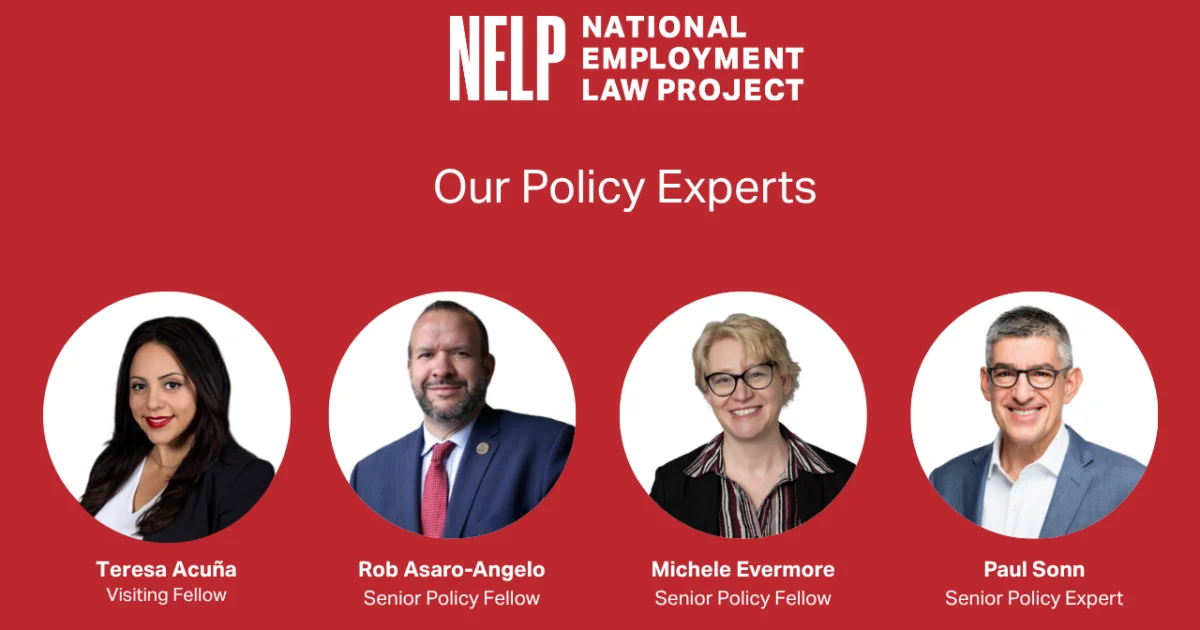
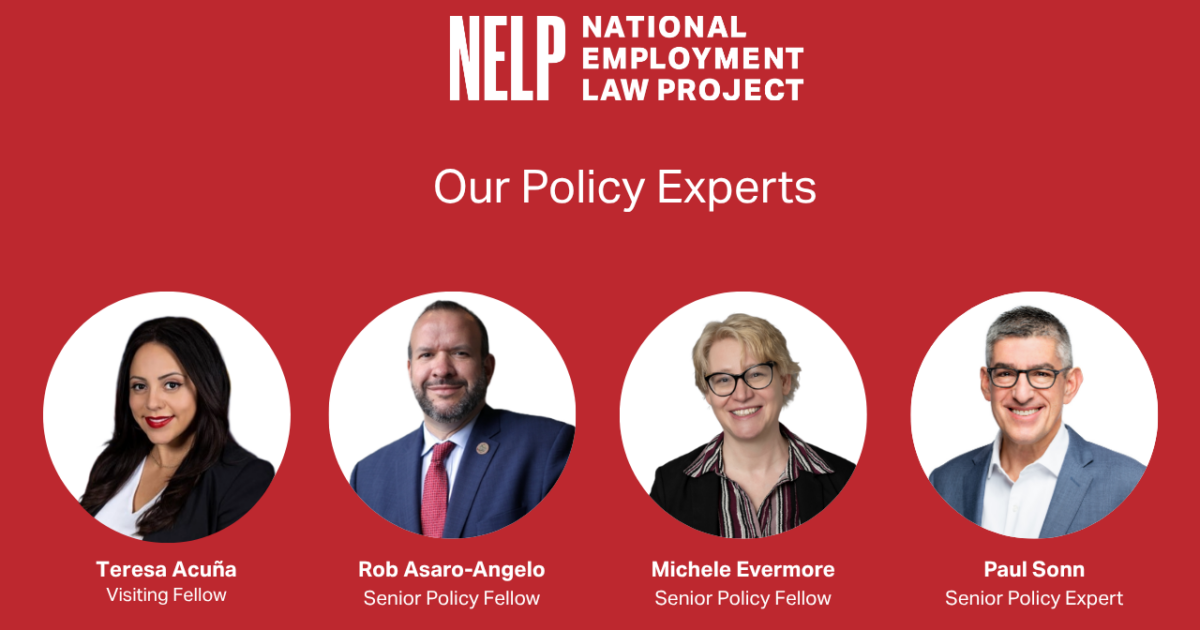
Entering its seventh decade of advocacy, NELP, under the guidance of President and CEO Rebecca Dixon, is positioning itself to bridge the gap between high-level federal policy design and the realities of the modern workforce. The addition of Teresa Acuña, Rob Asaro-Angelo, Michele Evermore, and Paul Sonn creates a powerhouse of institutional knowledge designed to reshape how the U.S. approaches labor rights, wage stability, and economic mobility.
Main Facts: A Strategic Consolidation of Talent
The appointments represent a calculated effort to institutionalize the gains made during the post-pandemic recovery and translate them into long-term systemic protections. NELP’s leadership has long argued that a "good job" is not an accident of the market, but a product of intentional policy architecture.
The new team members have been assigned to key portfolios:
- Teresa Acuña (Visiting Fellow for Good Jobs Democracy): Formerly the director of the Good Jobs Initiative at the U.S. Department of Labor, Acuña is tasked with ensuring that federal infrastructure and manufacturing investments are tethered to high-quality labor standards.
- Rob Asaro-Angelo (Senior Policy Fellow for Worker-First Protections): Bringing eight years of executive experience as Commissioner of the New Jersey Department of Labor, Asaro-Angelo will focus on strengthening state-level workforce protections.
- Michele Evermore (Senior Policy Fellow for Economic Security and Worker Transitions): A pivotal architect of pandemic-era unemployment insurance (UI) expansions, Evermore returns to NELP to modernize the safety net for an era of rapid industrial change.
- Paul Sonn (Senior Policy Expert for Wages and Affordability): A veteran of the "Fight for $15," Sonn will pivot toward next-generation wage policy, focusing on mechanisms that ensure earnings keep pace with the hyper-local cost of living.
Chronology: Seven Decades of Advocacy
To understand the weight of these appointments, one must look at the arc of NELP’s history. Founded in the mid-20th century, the organization began as a legal resource center focused on ensuring that the foundational rights of workers—fair pay, safe conditions, and the right to organize—were upheld in courtrooms across the nation.
- 1960s–1990s: NELP established itself as the preeminent legal authority on federal labor standards, successfully litigating cases that expanded the scope of the Fair Labor Standards Act.
- 2000s–2015: The organization transitioned from a litigation-heavy model to a dual-pronged strategy of policy design and grassroots advocacy. This era saw the rise of the living wage movement, which Sonn helped pilot in city-specific legislation.
- 2020–2024: The COVID-19 crisis forced a rapid, unprecedented expansion of the American social safety net. Michele Evermore’s work at the Department of Labor during this period became the blueprint for modernizing UI, proving that bureaucratic agility could save millions from poverty.
- 2026 and Beyond: The current pivot toward the "Good Jobs Economy" marks the beginning of a third phase: proactively defining the labor standards for the green energy transition and the digital workforce.
Supporting Data: The Economic Imperative
The impetus for this leadership expansion is rooted in hard data regarding worker precarity. Despite low headline unemployment rates throughout the mid-2020s, the "quality gap" in employment has widened.
According to internal reports and broader economic indices, several factors necessitate a shift in policy focus:
- Wage Stagnation vs. Inflation: While nominal wages rose significantly in the early 2020s, real wages for service and manufacturing workers have been periodically erased by rent and healthcare inflation. Paul Sonn’s work is specifically designed to address this "purchasing power gap."
- Infrastructure Leakage: The trillions of dollars injected into the U.S. economy via the Infrastructure Investment and Jobs Act have the potential to create millions of jobs. However, without the oversight championed by Teresa Acuña, there is a risk that these jobs will not meet the criteria of "high-quality" employment, such as benefits, collective bargaining access, and safety protocols.
- Safety Net Vulnerability: The UI system, as evidenced during the pandemic, remains fragmented by state-by-state administration. Michele Evermore’s focus on "Worker Transitions" addresses the reality that in an AI-driven economy, the traditional "linear career" is disappearing, requiring a portable and responsive safety net.
Official Responses: A Vision for the Future
Rebecca Dixon, President and CEO of NELP, framed these appointments not merely as hires, but as a strategic alignment of the labor movement’s most potent assets.
"Creating a Good Jobs Economy for all workers requires leaders with deep policy expertise and a clear vision to achieve bold, lasting change," Dixon said in her announcement. "I am exceedingly proud to acknowledge this extraordinary group of policy experts and labor movement leaders. Their decision to join forces at NELP signals that we are ready to move from defense to offense in the fight for economic justice."
The new fellows echoed this sentiment in their commitment to the organization’s mission. Rob Asaro-Angelo noted, "Having spent nearly a decade in the public sector, I understand that the best policies fail without the infrastructure to enforce them. My goal at NELP is to ensure that worker-first protections are not just laws on the books, but realities in the workplace."
Implications: The Road Ahead
The hiring of these four leaders signals a major shift in the national labor landscape. By consolidating experts who have worked both inside the federal government and outside as movement strategists, NELP is effectively creating a "shadow cabinet" for labor policy.
1. State-Federal Coordination
With Asaro-Angelo’s experience in the New Jersey Department of Labor, NELP is likely to become a central clearinghouse for states looking to implement "gold standard" labor laws. This creates a powerful feedback loop: successful state policies can be elevated to federal law, while federal funding can be leveraged to incentivize state-level compliance.
2. Redefining "Work" in the Green Transition
Teresa Acuña’s expertise in the Good Jobs Initiative is critical. As the U.S. transitions toward manufacturing electric vehicles and renewable energy components, the labor conditions in these new factories are not yet settled. NELP intends to ensure these new "green" jobs are unionized and high-paying, preventing the mistakes of the previous industrial era.
3. Institutionalizing Resilience
Michele Evermore’s return to NELP suggests that the organization is doubling down on administrative reform. The lesson of the 2020s was that even the best policies are useless if the delivery systems—like outdated unemployment portals or understaffed labor boards—are broken. By focusing on modernization, NELP is preparing the labor market for the next inevitable shock, whether it be economic, technological, or climate-related.
4. A New Wage Paradigm
Paul Sonn’s continued leadership represents a commitment to the foundational struggle of the labor movement: pay. By shifting the focus from simply raising the minimum wage to ensuring that wages are structurally linked to the cost of living, NELP is moving toward a more sustainable, self-adjusting economic model.
Conclusion: A Sharpened Strategic Focus
The National Employment Law Project has set a clear trajectory for the remainder of the decade. By assembling a team that combines high-level bureaucratic experience with a deep-seated commitment to grassroots worker advocacy, NELP is signaling that the era of incrementalism is over.
As the American economy continues to undergo fundamental structural changes, the question of what constitutes a "good job" will remain the central issue of the labor movement. With its new leadership team in place, NELP is positioning itself not just to answer that question, but to enforce the answer in workplaces, legislative halls, and government agencies across the country. The "Good Jobs Economy" is no longer just a policy slogan; it is the strategic target of a newly energized, and highly experienced, vanguard.
