



Alphabet Inc.’s autonomous vehicle subsidiary, Waymo, has officially extended its commercial robotaxi services to Denver, San Diego, and Tampa. This latest expansion increases the company’s commercial footprint to 14 major U.S. metropolitan areas, cementing its position as the clear frontrunner in the highly competitive autonomous ride-hailing sector.
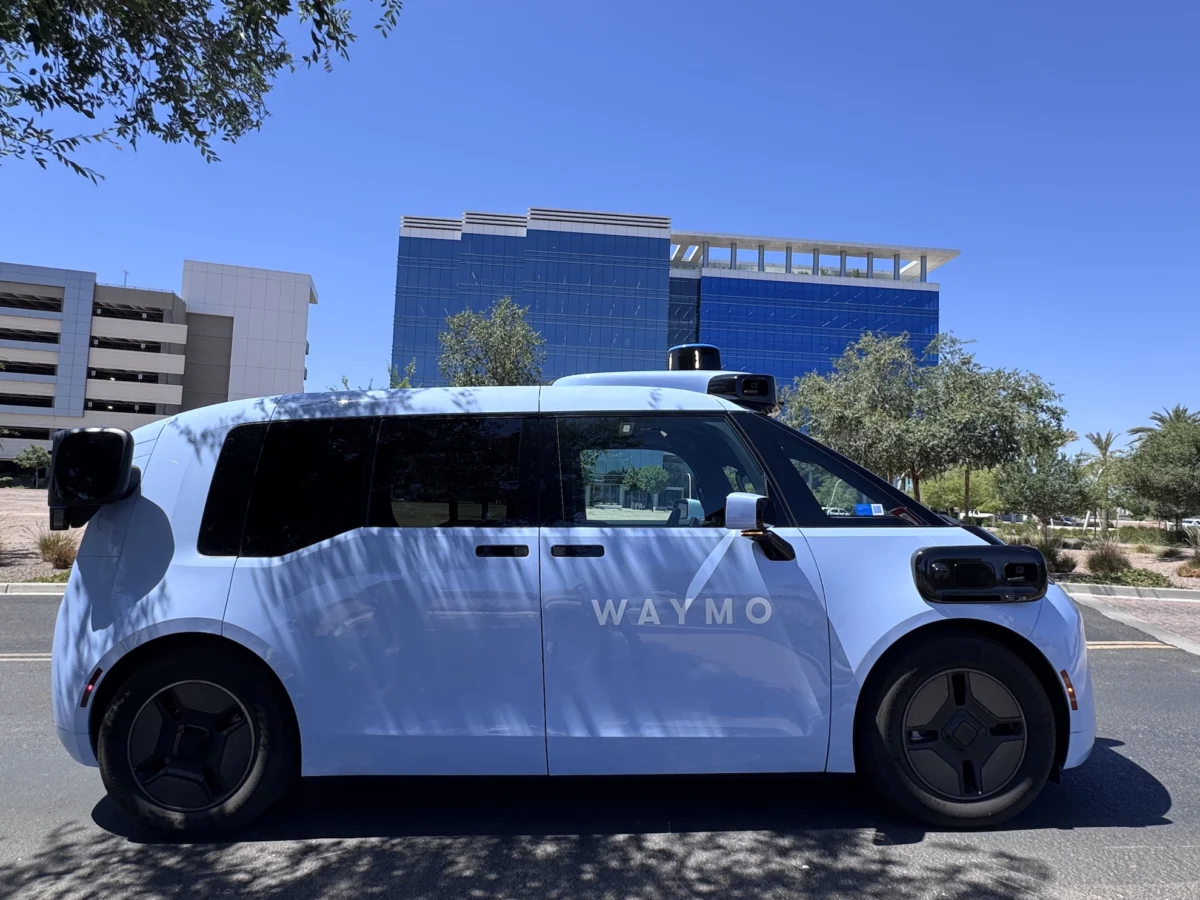
The rollout follows Waymo’s established commercial playbook: inviting riders on a rolling basis and gradually scaling up fleet capacity. To support this multi-city launch, Waymo has expanded its active fleet to more than 4,000 vehicles. This fleet consists of its signature Jaguar I-Pace electric hatchbacks alongside its next-generation platform: the "Ojai," a custom-built, Chinese-manufactured electric minivan designed specifically for autonomous ride-hailing.
Main Facts of the Tri-City Expansion
Waymo’s entry into Denver, San Diego, and Tampa marks a significant milestone in the company’s efforts to scale its driverless ride-hailing technology nationwide. By adding these three major urban hubs, Waymo is testing its software against diverse geographic, climatic, and infrastructural environments—ranging from the high-altitude, winter-prone streets of Denver to the coastal layouts of San Diego and Tampa.
Rolling Public Launches
In line with previous deployments, Waymo is not opening the floodgates immediately. Instead, the company is utilizing a phased waitlist system. This allows the operations team to monitor system performance, optimize vehicle routing, and build public trust before opening the app to the broader public.
Specialized Fleet Deployments
While the expansion relies on a total fleet of over 4,000 vehicles, the vehicle allocation for this rollout features a notable strategic pivot:
- Denver and San Diego: In these markets, Waymo is exclusively deploying the "Ojai"—a custom-designed, all-electric minivan manufactured by Geely’s premium EV brand, Zeekr.
- Tampa: This market will feature a mixed fleet, utilizing both the legacy Jaguar I-Pace platform and the new Ojai minivan.
The Rise of the "Ojai" Platform
The Ojai (pronounced oh-hi) represents Waymo’s sixth-generation hardware and software integration. Built from the ground up for autonomous ride-sharing, the vehicle features a low step-in height, sliding doors, a spacious cabin optimized for passenger comfort, and a sensor suite designed to be significantly cheaper to manufacture, operate, and maintain than the retrofitted Jaguar I-Pace. Currently, the Ojai fleet stands at approximately 300 units, but Waymo plans to scale this number rapidly to improve its unit economics.
Chronology of Waymo’s Aggressive Commercial Scaling
Waymo’s current market dominance is the result of a rapid commercial expansion campaign that began in earnest in mid-2023. Prior to this, the company had spent years quietly refining its technology in limited geofenced areas, most notably in the suburbs of Phoenix, Arizona.
[Years of Testing: Phoenix] ──> [Aug 2023: San Francisco] ──> [2024: Los Angeles]
                                                                      │
[Denver, San Diego, Tampa] <── [Late 2025/2026: 7-City Push] <── [Mar 2025: Austin (Uber)]
August 2023: The San Francisco Milestone
While Phoenix served as Waymo’s initial testing ground, the true commercial starting gun fired in August 2023. After securing crucial permits from the California Department of Motor Vehicles (DMV) and the California Public Utilities Commission (CPUC), Waymo began offering 24/7 paid driverless rides across the complex, densely populated terrain of San Francisco.
2024: Conquering Los Angeles and the Freeways
Following its success in San Francisco, Waymo expanded south to Los Angeles in 2024. During this phase, the company systematically expanded its operations from local surface streets to high-speed freeways, a technical milestone critical for reducing travel times and competing directly with human-driven ride-hailing services.
March 2025: The Austin Inflection Point and Uber Partnership
In March 2025, Waymo’s expansion strategy shifted into high gear. The company launched commercial operations in Austin, Texas, powered by a landmark partnership with Uber. By integrating Waymo’s autonomous vehicles directly into the Uber app, the company tapped into a massive, pre-existing customer base, accelerating adoption and proving the viability of a hybrid fleet model.
Mid-2025 to Mid-2026: The Multi-City Blitz
Following the Austin launch, Waymo scaled its operations across seven additional metropolitan areas in rapid succession:
- Atlanta, Georgia
- Dallas, Texas
- Houston, Texas
- Miami, Florida
- Nashville, Tennessee
- Orlando, Florida
- San Antonio, Texas
This aggressive scaling culminated in the latest expansion into Denver, San Diego, and Tampa, bringing the company’s total active commercial markets to 14.
Supporting Data: Fleet Logistics and the Competitive Landscape
As Waymo scales, its operational metrics and vehicle choices highlight the shifting economics of the autonomous vehicle (AV) industry.
| Metric | Waymo Fleet Details |
|---|---|
| Total Active Fleet Size | 4,000+ Vehicles |
| Primary Vehicle Platforms | Jaguar I-Pace (electric SUV), Zeekr "Ojai" (6th-Gen electric minivan) |
| Active Commercial Cities | 14 U.S. Cities (including SF, LA, Phoenix, Austin, Dallas, Miami, Denver, San Diego, Tampa) |
| Upcoming Markets | Clark County/Las Vegas (Nevada), London (UK), Munich (Germany) |
| Ojai Fleet Count | ~300 units (rapidly expanding) |
The Battle for the Sunshine State and Texas: Waymo vs. Tesla
Waymo’s expansion into Tampa, Denver, and San Diego places it in direct competition with Tesla, which has been scaling its own autonomous ride-hailing pilots.
- Tesla’s Footprint: Tesla currently charges for driverless rides using its Model Y vehicles in Austin, Dallas, Houston, Miami, Orlando, and Tampa. While Tesla’s services in these markets remain highly restricted and are often limited to employees or closed beta testers, the company is actively adding vehicles to its fleet.
- The Hardware Debate: Waymo’s 6th-generation system on the Ojai relies on a multi-sensor fusion approach, utilizing Lidar, radar, and cameras to create a redundant, highly detailed 3D map of the vehicle’s surroundings. In contrast, Tesla continues to rely strictly on a vision-only approach (cameras and neural networks), banking on its upcoming custom-built, steering-wheel-free "Cybercab" to eventually close the operational gap.
Regulatory Frameworks and the Expansion Playbook
The speed of Waymo’s expansion is closely tied to local and state regulatory environments. Because there is no unified federal framework for autonomous vehicle deployment, Waymo has developed a highly adaptive market entry playbook.
[Phase 1: Mapping & Testing]
       │
       ▼
[Phase 2: Driverless Testing (No Safety Operator)]
       │
       ▼
[Phase 3: Closed Beta (Employees, Media, Invite-Only)]
       │
       ▼
[Phase 4: Full Commercial Launch (Paying Public)]
Navigating State-Level Regulations
How quickly Waymo transitions from Phase 1 to Phase 4 depends heavily on state laws:
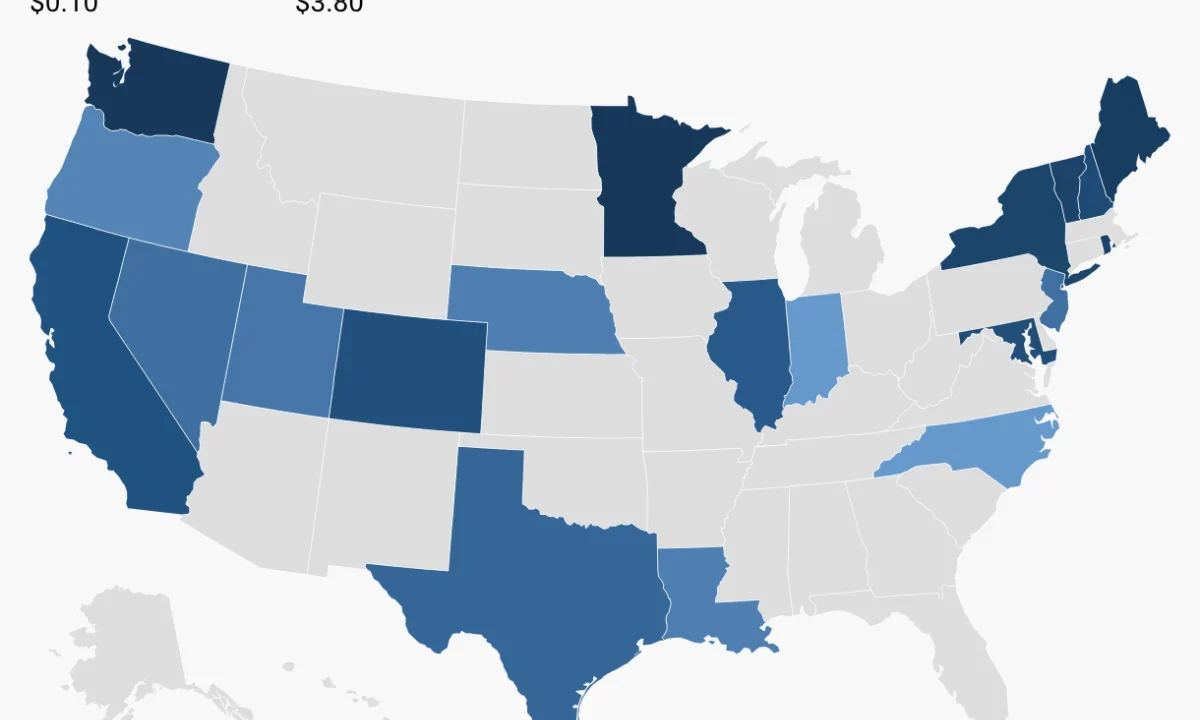
- California: Regulated by both the DMV (for safety and vehicle deployment) and the CPUC (for commercial passenger service). This dual-agency system has historically slowed deployment timelines.
- Texas and Florida: These states offer highly permissive regulatory frameworks, allowing companies to deploy and charge for driverless rides with fewer administrative hurdles. This explains the rapid rollout of both Waymo and Tesla services in cities like Austin, Miami, and Tampa.
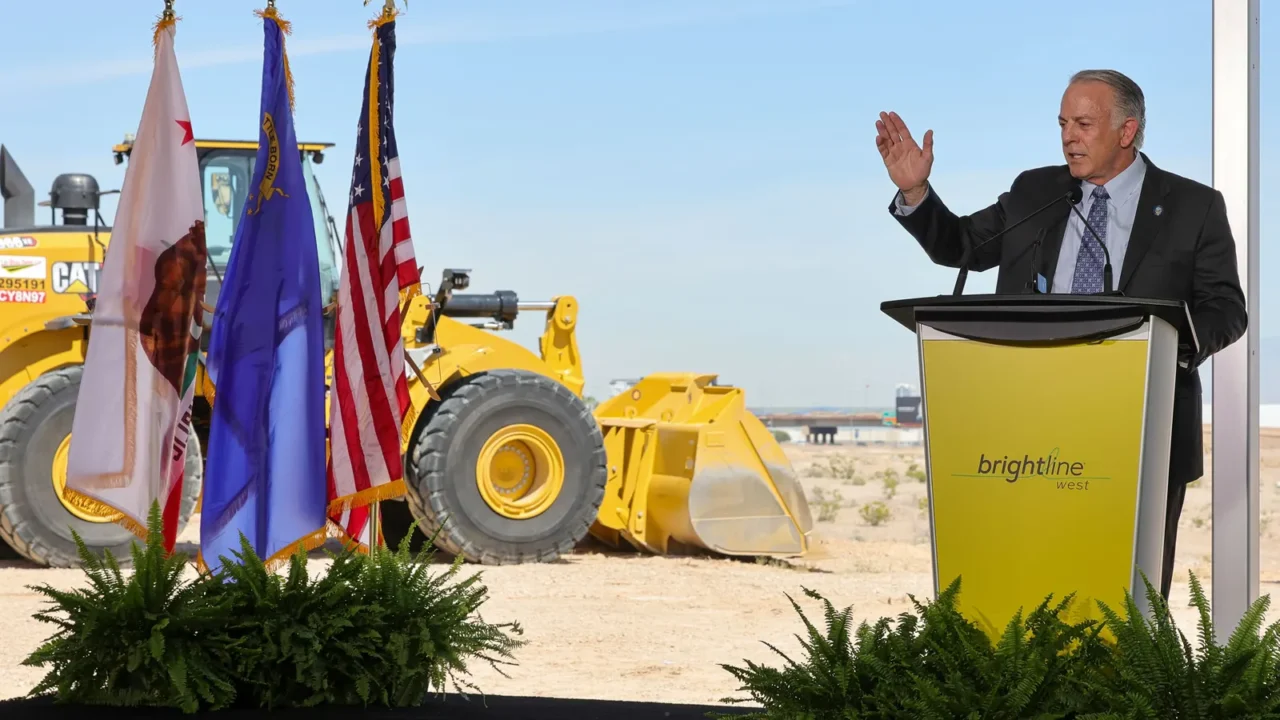
- Nevada: In a major regulatory victory, the Nevada Transportation Authority recently issued a unanimous permit allowing Waymo to operate up to 1,000 autonomous vehicles in Clark County (Las Vegas) over the next year. Similar permits were granted to Uber and Tesla, setting the stage for a major competitive showdown on the Las Vegas Strip.
Strategic and Economic Implications
Waymo’s latest expansion represents a crucial shift from technical validation to commercial viability. For years, critics argued that the high capital expenditure of Lidar-equipped autonomous vehicles would prevent robotaxis from ever achieving profitability. The introduction of the Ojai minivan is Alphabet’s direct response to these concerns.
Lowering the Cost per Mile
The Jaguar I-Pace, while a highly capable luxury EV, was not built for the wear-and-tear of continuous ride-hailing. Retrofitting it with Waymo’s 5th-generation hardware suite was an expensive, labor-intensive process.
The Ojai, by contrast, is a purpose-built vehicle. By integrating the 6th-generation hardware directly into Geely’s Zeekr assembly line, Waymo has significantly reduced manufacturing costs. The vehicle’s spacious interior allows for higher passenger volume, while its simplified sensor suite lowers maintenance costs. This improved unit economic profile is essential for Waymo as it transitions from a heavily subsidized Alphabet research project into a self-sustaining commercial business.
Geopolitical and Supply Chain Considerations
The deployment of the Chinese-manufactured Zeekr "Ojai" platform comes at a time of heightened geopolitical tension and shifting trade policies. The U.S. government has increasingly scrutinized Chinese-made connected vehicle technologies and electric vehicles, proposing strict tariffs and potential bans on software and hardware integrations from foreign adversaries.
Waymo’s reliance on the Ojai platform highlights a delicate balancing act. While the vehicle offers the unit economics necessary for profitability, Waymo must navigate a complex regulatory minefield to ensure its supply chain remains compliant with evolving federal trade and national security policies.
The Global Horizon
Waymo’s ambitions extend far beyond the United States. With regulatory approval already secured in Nevada and operations scaling rapidly across 14 U.S. cities, the company has set its sights on international markets. Plans are already underway to launch pilot services in London and Munich, representing Waymo’s first major attempt to adapt its self-driving technology to European traffic laws, dense historical street layouts, and international regulatory frameworks.
As Waymo continues to scale its fleet past 4,000 vehicles and integrates cheaper, purpose-built hardware like the Ojai, the robotaxi market is transitioning from an experimental technology showcase into a mature, capital-intensive transport industry. With Tesla striving to scale its vision-only platform and Uber acting as both a key partner and potential competitor, Waymo’s aggressive multi-city expansion establishes a high bar for any competitor hoping to claim leadership in the autonomous future.
