





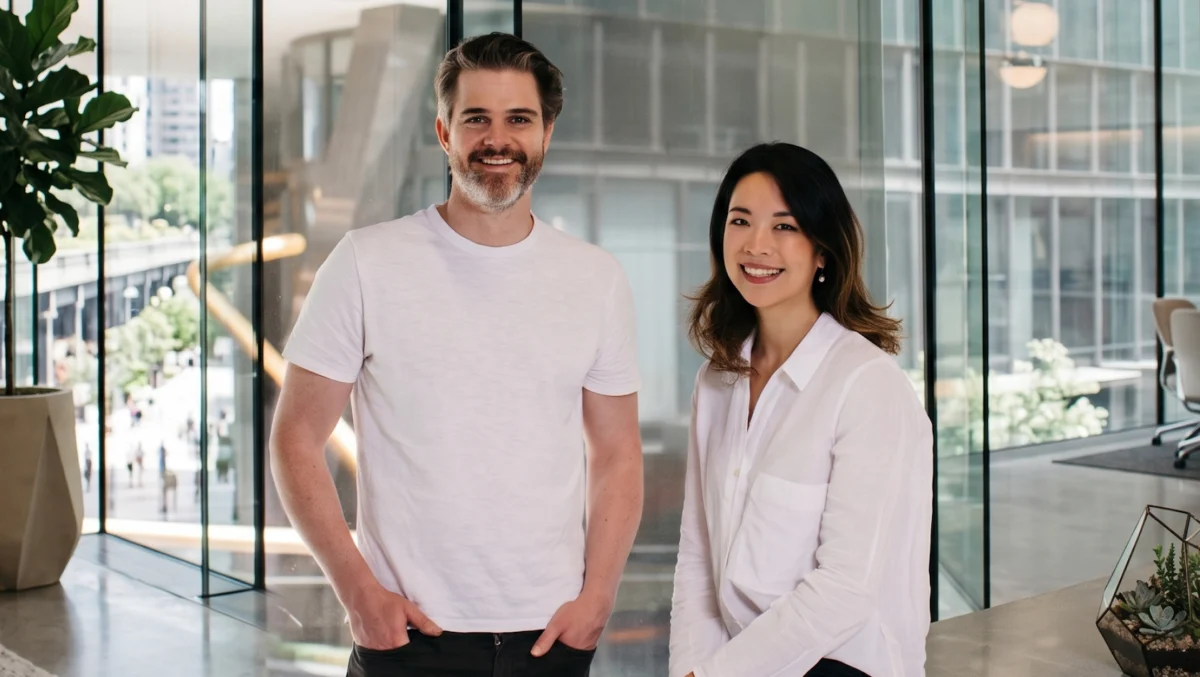
In a decisive move that marks the end of an era and the beginning of a specialized evolution, the Melbourne-based venture capital firm formerly known as Skalata has officially rebranded as Tall Order Ventures. This transition follows a landmark management buyout last month, in which the firm’s veteran leadership team acquired the seed-stage investment fund from billionaire co-founder Paul Little.
As the Australian startup ecosystem grapples with the transformative pressures of artificial intelligence, Tall Order Ventures is repositioning itself as a high-conviction, first-cheque investor. With a track record of supporting 85 portfolio companies across three funds, the firm is moving away from the "generalist" label to embrace a future where AI-driven due diligence and operational support become the standard for venture success.
The Chronology of a Management Buyout
The evolution of the firm is a story of maturation within the Australian VC landscape. Founded seven years ago, the entity originally known as Skalata established itself as a cornerstone of the Melbourne tech scene. Its inception was backed by the capital and vision of logistics magnate Paul Little, who provided the foundational liquidity required to launch a series of ambitious seed-stage funds.
The Timeline:
- 2017: Skalata is established in Melbourne with a mandate to support early-stage Australian founders, providing not just capital but a structured program of mentorship.
- 2017–2024: The firm grows its footprint to include 85 portfolio companies, navigating the volatile post-pandemic investment climate.
- August 2026: In a significant internal shift, the management team—led by CEO Rohan Workman and Partner Maxine Lee—initiates a buyout of the fund from Paul Little.
- September 2026: The rebranding to Tall Order Ventures is finalized, signaling a departure from the previous operational model toward a more specialized, AI-augmented investment thesis.
The transition from a founder-led, high-net-worth-backed entity to a partner-owned management structure represents a common but critical milestone for VC firms seeking to institutionalize their decision-making processes.
The Strategic Shift: Defining the "Tall Order"
The name "Tall Order" is more than a rebrand; it is a philosophy. According to CEO Rohan Workman, the moniker reflects the reality of the current economic environment.
"A tall order is something difficult to accomplish, perhaps even a herculean request," Workman said during the launch event. "But it is possible. Building a great company is a tall order, and we are seeking the founders who are attracted to that challenge."
By rebranding, the partners are signaling that their focus has narrowed. While the previous iteration of the fund was known for its wide-net approach to early-stage support, Tall Order Ventures is pivoting toward "AI-era" founders. This involves a rigorous, data-intensive approach to diligence that leverages the very technologies they are betting on.
Supporting Data: The Seed-Stage Landscape
To understand the shift toward Tall Order Ventures, one must look at the broader metrics of the Australian venture landscape. Data from the past three years indicates that while total VC deal volume has fluctuated, the demand for "first-cheque" capital—the initial injection of cash that allows a startup to build its MVP (Minimum Viable Product)—remains the most critical bottleneck for Australian innovation.
Portfolio Composition (As of September 2026):
- Total Portfolio Companies: 85
- Investment Focus: Seed-stage to Series A
- Funds Managed: 3
- Core Verticals: SaaS, B2B marketplaces, and AI-enabled infrastructure.
By concentrating on 85 distinct companies, the firm has already achieved a level of diversification that provides a robust data set. The new management team intends to use this historical performance data to train their internal AI models, which will assist in evaluating the viability of new founders—effectively using machine learning to predict the success of those building machine learning solutions.
Official Responses: The Philosophy of the Founders
Maxine Lee, partner at Tall Order Ventures, emphasizes that the transition is about sharpening the firm’s edge. In an industry where "spray and pray" investing is increasingly viewed with skepticism, the firm’s reliance on AI-powered diligence is a competitive necessity.
"We aren’t just looking for a pitch deck," Lee noted. "We are looking for the technical and operational rigor required to scale in an AI-first world. The diligence process we’ve built allows us to see through the hype and identify the founders who are actually solving complex, systemic problems."
The exit of Paul Little as a primary stakeholder has allowed the management team to pivot with greater agility. Without the need to cater to a singular high-net-worth investor’s preferences, Workman and Lee have optimized their investment committee processes to be faster and more aligned with the rapid iteration cycles typical of the AI sector.
Implications: What This Means for the Australian Tech Ecosystem
The rebranding of Tall Order Ventures signals several broader shifts for the Australian startup ecosystem:
1. The Death of the Generalist
The firm’s explicit pivot toward AI-era diligence suggests that generalist funds are becoming less effective. As technical complexity increases, the ability of a VC firm to understand the underlying infrastructure of a company becomes a primary differentiator. Tall Order is signaling that they intend to be a "technically fluent" partner.
2. The Rise of "Diligence-as-a-Service"
By applying AI to the due diligence process, Tall Order Ventures is attempting to mitigate the risks associated with early-stage investing. If they can successfully implement a proprietary AI tool to filter prospective investments, they could potentially reduce the time-to-decision, a major pain point for founders who often find the VC process opaque and agonizingly slow.
3. The Institutionalization of Founder-Run VCs
The management buyout is a sign of a maturing market. As Australia’s tech sector ages, we can expect to see more "second-generation" VC firms emerging—where the original management team takes full control to refine the fund’s vision, independent of the original capital providers.
Challenges Ahead: Navigating the AI Bubble
While the ambition of Tall Order Ventures is clear, the path is fraught with risk. The "AI era" is currently characterized by significant hype, and distinguishing between companies with real defensible moats and those merely wrapping an OpenAI API in a UI shell is a challenge even for the most sophisticated algorithms.
The firm’s reliance on AI to evaluate other AI companies creates a potential feedback loop. If the training data for their diligence tools is biased toward the current trends, they risk missing "contrarian" founders—the very people who often build the most successful companies.
Furthermore, competition for the best seed-stage deals in Australia remains fierce. Global players, including firms from the US and Southeast Asia, are increasingly looking toward the Australian market. Tall Order Ventures will need to leverage its local pedigree—its deep network in Melbourne and its seven-year history—to ensure it remains the "first-cheque" choice for the best founders.
Conclusion: A New Chapter
Tall Order Ventures enters the market at a pivotal time. By combining the institutional experience of a seven-year-old firm with the agility of a newly independent management team, they are positioning themselves to capture the next wave of Australian innovation.
The firm’s name serves as a constant reminder of the difficulty of their mission. Building a unicorn is indeed a "tall order," but in an era where AI is fundamentally changing the way we work, live, and build, the tools to achieve that goal are more accessible than ever. Whether the firm can successfully navigate the transition from a legacy fund to an AI-native powerhouse remains to be seen, but their commitment to the "difficult" work of early-stage investing is undeniable.
As Rohan Workman and Maxine Lee steer the firm into this new chapter, the Australian startup community will be watching closely. If their bet on AI-powered diligence pays off, they may well redefine the standard for venture capital in the Southern Hemisphere.
