




In an era defined by skyrocketing vehicle prices, increasingly complex software integration, and geopolitical trade tensions, the automotive industry finds itself at a critical crossroads. For the average consumer, the dream of owning a new vehicle is becoming an increasingly elusive financial burden. Recognizing this shifting landscape, Honda Motor Company is initiating a sweeping internal transformation aimed at reclaiming its reputation for accessibility and efficiency.
At the heart of this pivot is the "Triple Half" initiative—a bold, multi-pronged strategy designed to slash development times, costs, and resource consumption by 50%. As Honda navigates a post-EV-pivot financial climate, the company is betting that efficiency, rather than raw volume, will be the key to long-term survival.
The Core Mandate: Understanding the "Triple Half"
The "Triple Half" name is not merely corporate jargon; it is a rigid operational framework that Noriya Kaihara, Executive Vice President of Honda Motor Company, describes as essential for the brand’s survival. In a recent exclusive interview with The Drive, Kaihara outlined the urgency of the situation.
"Affordability is the key for future customers, especially younger generations," Kaihara stated. The strategy demands that by 2028, Honda must execute full model changes with half the development time, half the cost, and half the resource allocation of current projects. For "minor model changes," this mandate is already in effect as of 2026.
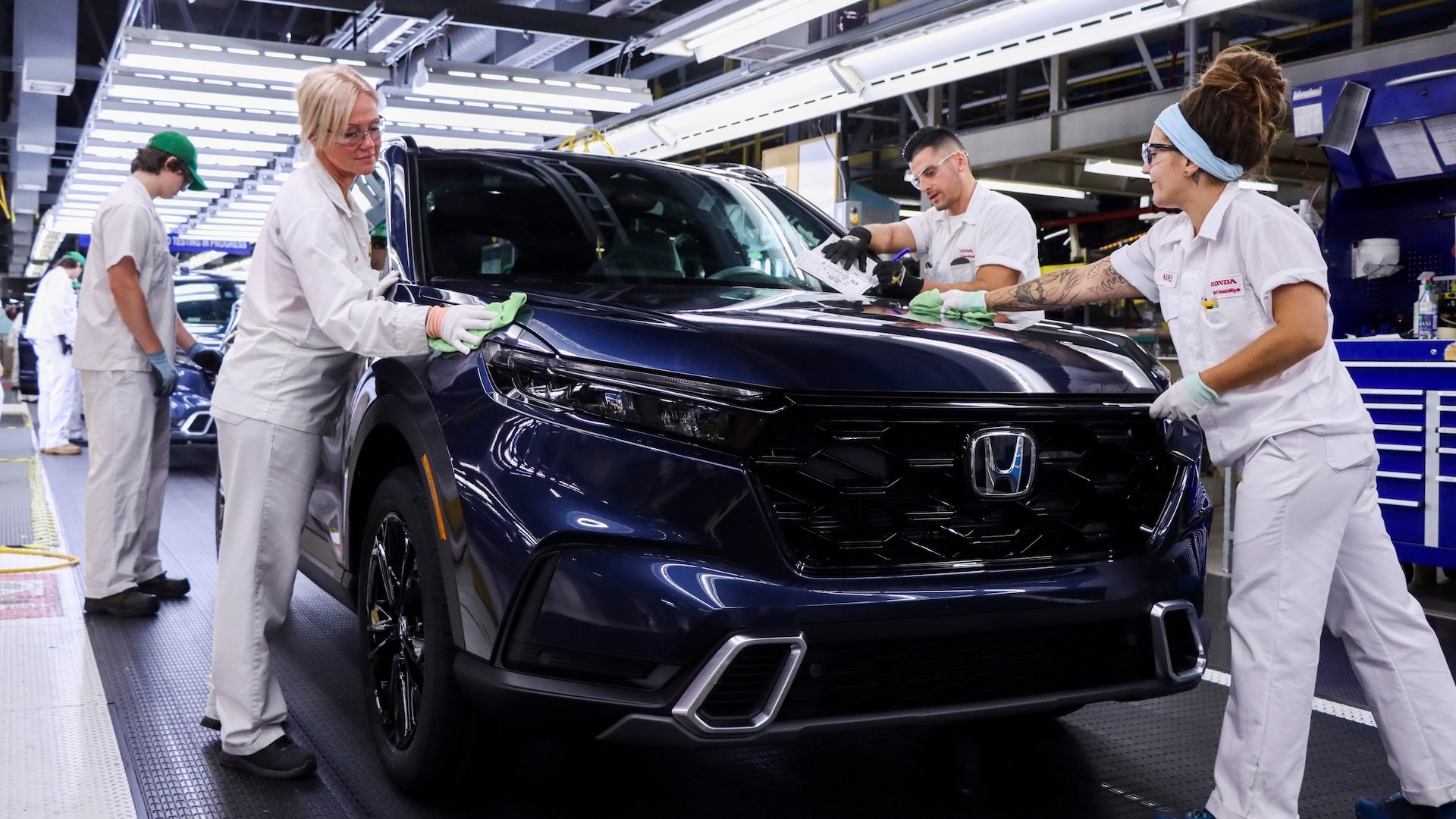
This is a monumental task for a legacy automaker. By streamlining product portfolios and reducing the sheer number of variations within model lineups, Honda aims to improve overall production efficiency by 20% over the next five years. This, the company believes, will allow it to respond with unprecedented speed to fluctuating market conditions—a capability that has historically been the domain of agile startups rather than century-old manufacturers.
Chronology of a Shift: From EV Ambitions to Operational Realignment
To understand why Honda is pivoting so aggressively, one must look at the recent timeline of the company’s financial and strategic decisions:
- 1957 – 2025: For nearly seven decades, Honda maintained a reputation for profitability and stability, rarely reporting major operational deficits.
- Early 2026: Honda announced its first significant financial loss since 1957, with an operational deficit of approximately $2.7 billion. This was largely attributed to the aggressive, yet ultimately costly, axing of its global electric vehicle (EV) portfolio, which failed to gain the necessary traction to justify the R&D expenditure.
- May 2026: Honda formally unveiled the "Triple Half" initiative, establishing a timeline for implementation. The plan was set to begin with minor updates immediately, with a full-scale overhaul of the company’s R&D and production cycles slated for completion by 2028.
- August 2026: The company intensified its focus on hybrid technologies, shifting resources away from pure EVs toward a new, highly efficient two-motor hybrid system destined for high-volume vehicles like the Honda Civic and Acura RDX.
This chronology marks a deliberate retreat from a "blind" pursuit of full electrification toward a more pragmatic, value-oriented approach that prioritizes the technologies consumers are actually purchasing today.
Leveraging Artificial Intelligence in R&D
One of the most innovative aspects of the Triple Half strategy is the integration of Artificial Intelligence (AI) into the earliest stages of the product development lifecycle. Historically, crash testing and physical prototyping have been the most significant bottlenecks in the automotive industry—both in terms of time and capital.
Honda is now utilizing AI to conduct preliminary testing in virtual environments. While this does not replace the legally mandated physical safety testing required for production, it significantly reduces the number of prototypes destroyed during the iterative design process.
"We’re utilizing AI on the development side of the business, specifically some of the testing technology, like crash tests and so forth," Kaihara explained. "For any of these procedures, we’ve already come to the fact that we can do them with AI without the actual [preliminary] test."
By perfecting the structural integrity of a vehicle through digital simulations before a single sheet of metal is stamped, Honda can move through the R&D phase with clinical precision. This "virtual-first" approach is a cornerstone of the cost-cutting measures, ensuring that resources are only committed to physical assets that are already verified as safe and viable.
Geopolitical Realities: The China-U.S. Divide
Honda’s pursuit of efficiency has led to a fascinating, albeit complex, relationship with the Chinese automotive market. As China has surged to the forefront of manufacturing technology and robotics, Japanese and Western automakers have been forced to play catch-up.
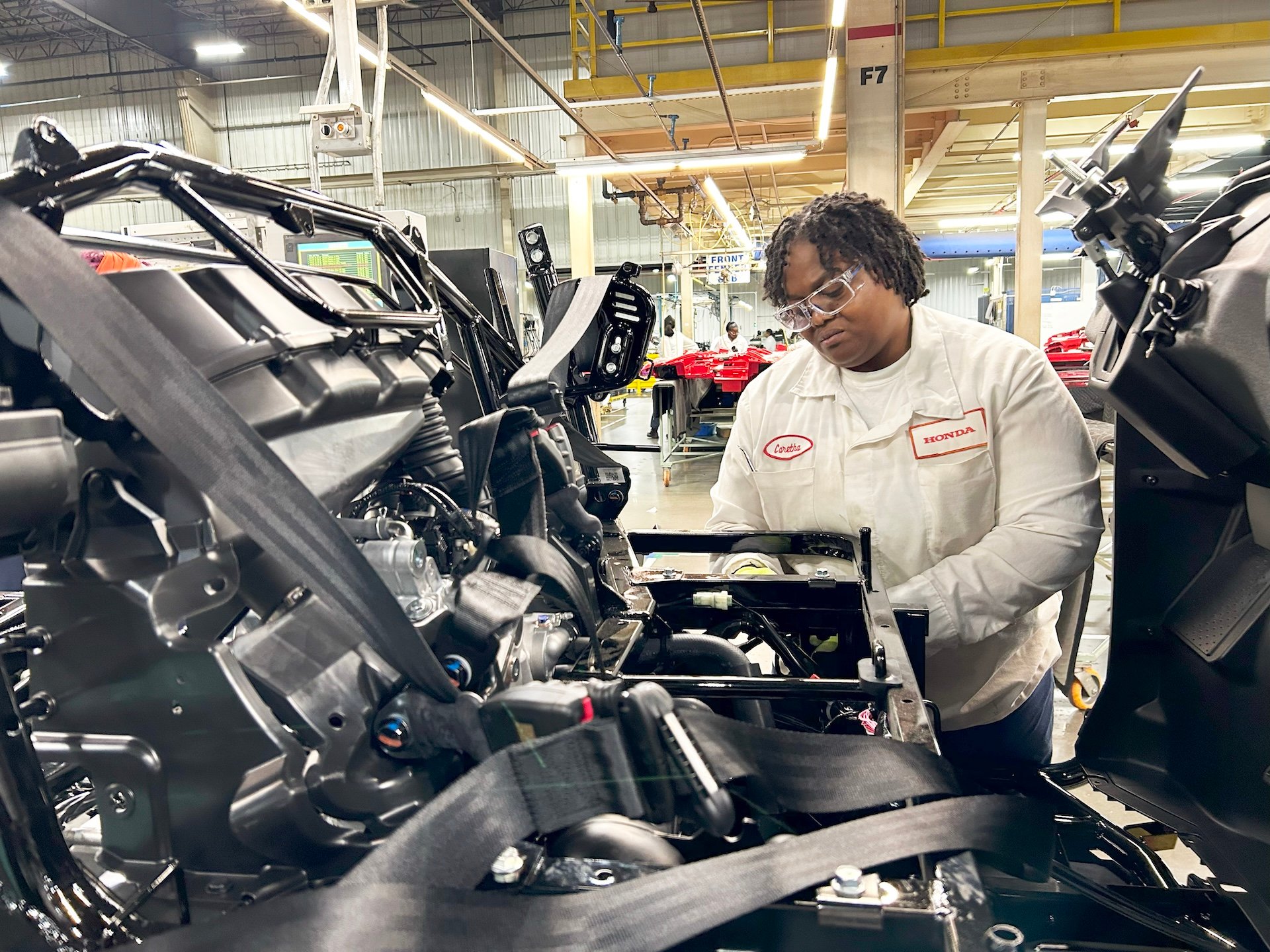
Honda has embedded research teams within China to study these advancements. However, the company is keenly aware of the political sensitivity surrounding these technologies. As the U.S.-China trade relationship grows increasingly strained, the integration of Chinese manufacturing "know-how" into American-made Hondas is a non-starter.
"We are taking some of their know-how for our own development, especially in robotics that will be coming soon," Kaihara noted. "But we have to be careful with this, because this is also a political issue, so we can’t simply use Chinese technologies in the U.S.—we don’t do it. That means we have to learn but [draw a] clear cut between the U.S. and China, meaning we need to develop our own technologies."
This "clear cut" strategy highlights a new, bifurcated approach to global manufacturing. Honda intends to leverage global knowledge to inform its internal processes, but it will maintain distinct, localized supply chains and technological ecosystems to remain compliant with international trade regulations and regional security requirements.
Official Perspectives: The Philosophy of Value
While the engineering and operational changes are being driven by Tokyo, the U.S.-based leadership is focused on the consumer-facing implications of these changes. Eiji Fujimura, CEO of American Honda, emphasizes that the goal of these efficiency drives is not just lower costs, but sustained "value."
"I’d like to add that affordability isn’t always about squeezing costs, but also offering great value to customers," Fujimura said. "The key here is value, which is why I’m always telling our leaders to think about [improving] value for money."
For the consumer, this translates to the current lineup of entry-level and mid-range vehicles. The Civic LX, starting at $25,890, and the Acura Integra, which starts at approximately $35,000, serve as the benchmarks for this philosophy. By maintaining these price points through the "Triple Half" efficiencies, Honda hopes to retain its customer base as they graduate from entry-level vehicles to more premium offerings.
Implications for the Future of the Auto Industry
Honda’s shift is emblematic of a broader trend within the automotive sector. As the "EV-at-all-costs" era matures, companies are returning to the fundamental principles of manufacturing: efficiency, modularity, and responsiveness.
1. The Death of Over-Complexity
The "Triple Half" strategy signals that Honda is moving away from the trend of "feature creep." By simplifying product portfolios, the company will likely reduce the number of niche configurations that complicate assembly lines. This benefits the consumer through lower maintenance costs and more intuitive vehicle designs.
2. Hybridization as the Bridge
By reallocating its EV budget to its two-motor hybrid system, Honda is positioning itself to win the "pragmatic" market—customers who want the fuel economy of an electric car without the anxiety or high upfront cost of a full EV. This strategy acknowledges that the infrastructure for full electrification is not yet where it needs to be to support a mass-market, budget-conscious buyer.
3. The Digital Transformation of the Factory Floor
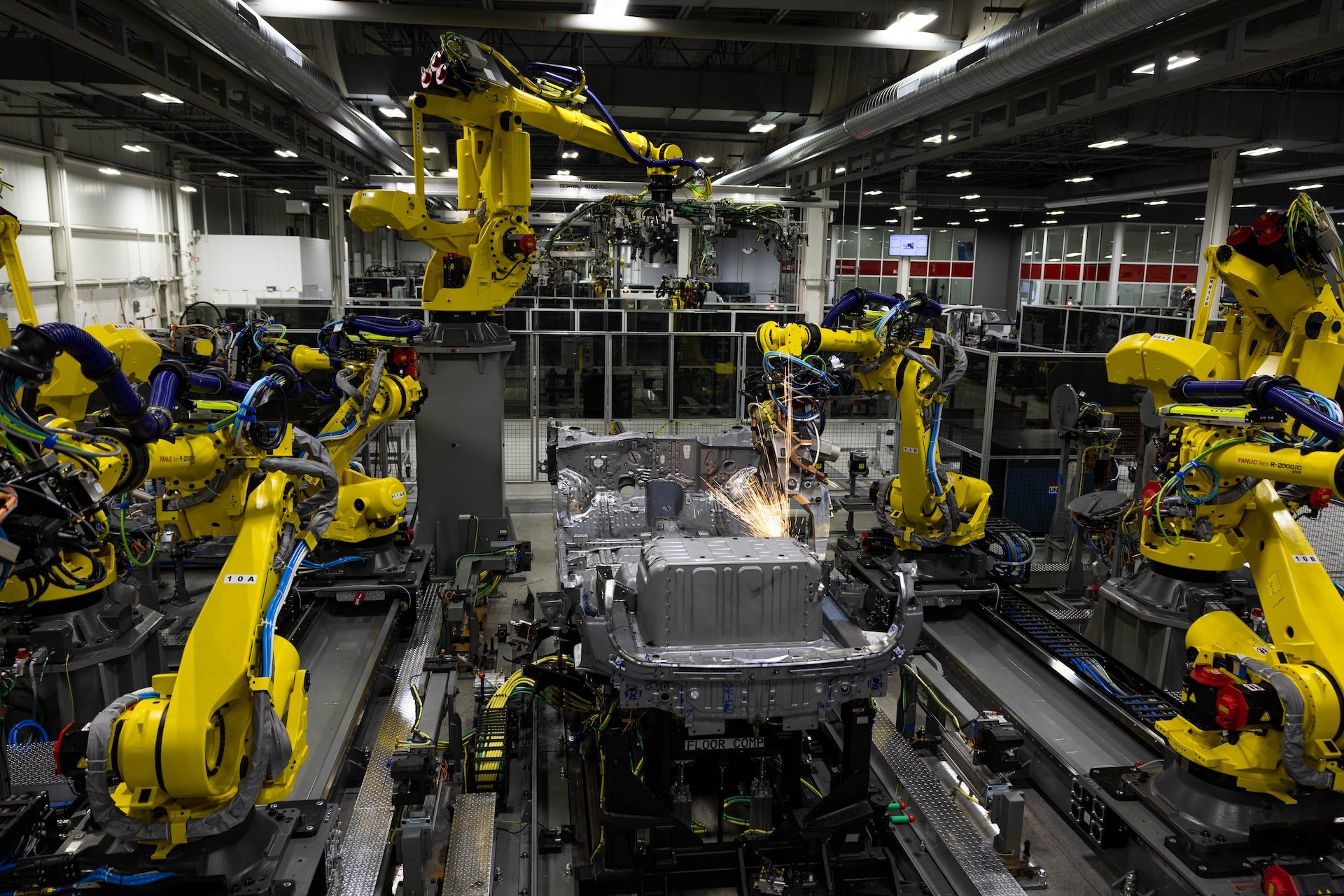
The future of manufacturing lies in the union of robotics and AI. By adopting the lessons learned from Chinese manufacturing in robotics while keeping software and data distinct, Honda is attempting to build a "sovereign" manufacturing model. If successful, this will provide the company with a significant competitive advantage in the U.S. market, where labor costs and regulatory requirements are significant hurdles.
Conclusion
The "Triple Half" plan is an admission that the automotive industry as it existed for the last decade is no longer sustainable. With the $2.7 billion deficit serving as a wake-up call, Honda is pivoting toward a leaner, more intelligent future. Whether this strategy will be enough to shield the company from the volatility of the global economy remains to be seen. However, by focusing on the intersection of AI-driven development and a steadfast commitment to consumer value, Honda is clearly aiming to prove that even a global giant can adapt with the agility of a startup.
For the buyer in the showroom, the promise of this shift is simple: a future where the latest, most reliable technology remains within the reach of the average household. As Honda moves toward its 2028 goals, the entire industry will be watching to see if "half the cost" truly leads to twice the value.
