





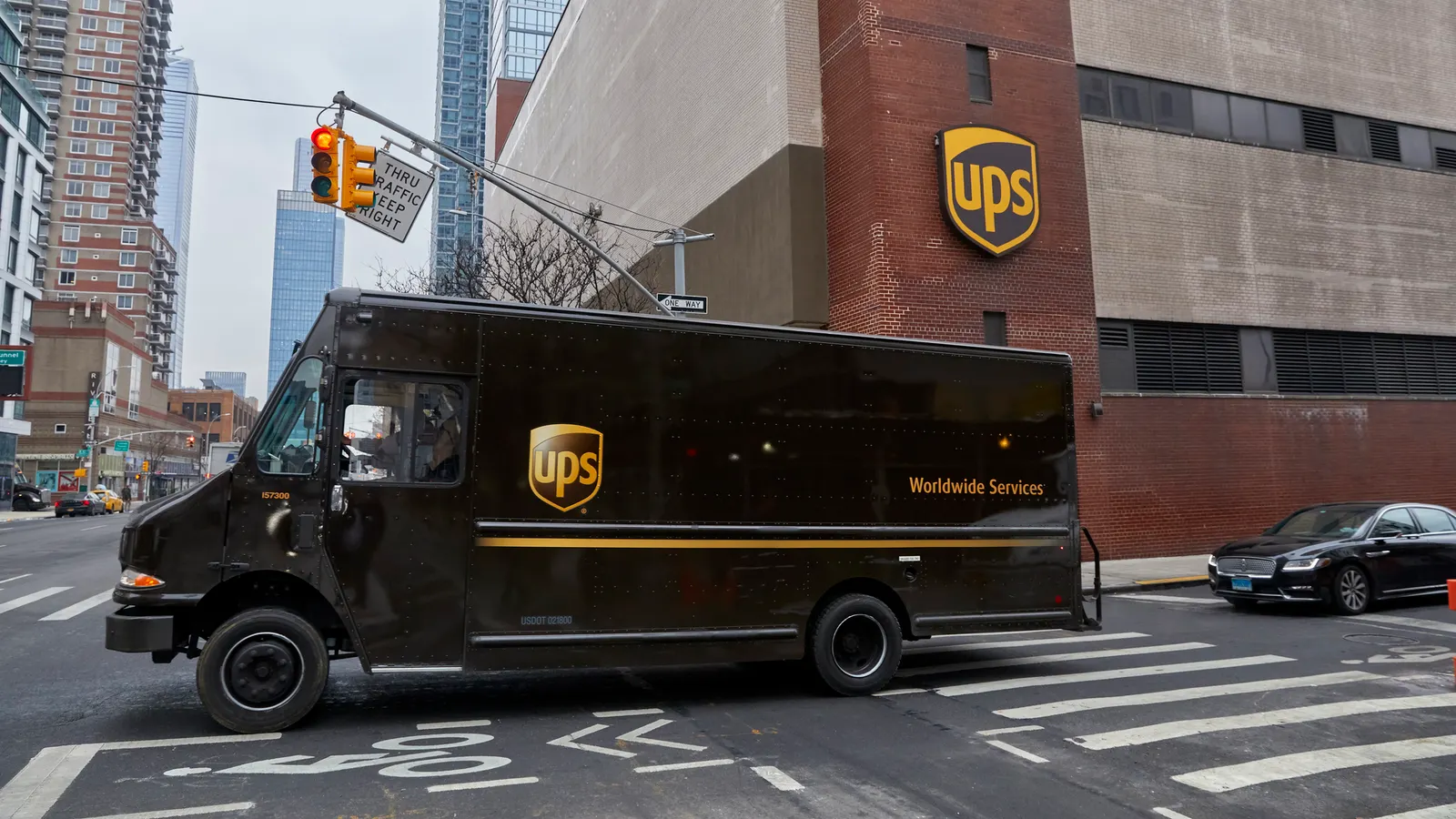
As the logistics industry pivots toward the high-stakes final quarter of 2026, UPS has officially unveiled its strategy for navigating the upcoming peak shipping season. In a move that mirrors broader industry trends, the carrier has announced a comprehensive slate of demand surcharges, signaling to retailers and shippers that the cost of moving goods during the busiest time of the year will see a marked increase compared to 2025.
UPS joins its primary competitors, FedEx and the U.S. Postal Service, in implementing these heightened levies. For shippers, these surcharges represent the latest layer of fiscal complexity in an already challenging year, characterized by persistent fuel price volatility and shifting consumer expectations. As UPS prepares for a forecasted 24% spike in U.S. package volume from the third quarter (Q3) to the fourth quarter (Q4), these fees are positioned as a necessary mechanism to manage network capacity and operational costs.
The Financial Landscape: Breakdown of the 2026 Surcharge Structure
The 2026 surcharge schedule is aggressive, with the earliest fees taking effect on September 27. The pricing strategy effectively targets three distinct areas of the shipping operation: physical package characteristics, volume-based demand, and international transit surges.
Chronology of Implementation
- September 27, 2026: Surcharges for bulky, oversized, and "Additional Handling" items go into effect, alongside surge fees for specific international trade lanes.
- October 25, 2026: The secondary wave of surcharges begins, impacting standard Ground Residential, Air, and Ground Saver services. This phase also introduces the targeted "High-Volume" surcharge tier.
- November 22 – December 26, 2026: The "peak of the peak," representing the period when surcharges reach their maximum intensity to coincide with the pre-Christmas fulfillment rush.
- January 16, 2027: The official end date for the holiday demand surcharge program.
Key Surcharge Categories
The fee structure, as detailed in recent carrier filings, illustrates a clear focus on the "cost-to-serve" model. For example, the Additional Handling fee ranges from $8.75 to $11.90, while the Large Package Surcharge—targeting items that consume disproportionate space in sorting facilities and delivery vehicles—sits between $96.25 and $117.50. Most critically, the Over Maximum Limits fee, reserved for items that exceed the carrier’s standard size or weight capacity, has been set at a staggering $530 to $590 per package, a clear deterrent against utilizing the network for freight that is better suited for specialized carriers.
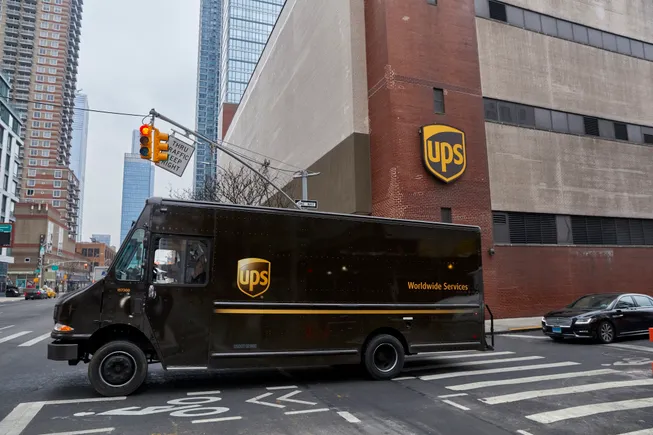
For smaller, everyday parcels, the Demand Surcharge will range from $0.50 to $2.50. However, the most significant change for enterprise-level shippers is the introduction of a volume-based tier. For customers processing more than 20,000 packages in a given week, the surcharge is no longer a flat fee but is calculated based on how much their volume deviates from their established "baseline." This effectively penalizes shippers who fail to provide accurate volume forecasts, as the carrier seeks to prevent the network bottlenecking that occurred in previous years.
Analysis: The Cost of Capacity
Industry analysts have been quick to dissect the impact of these figures. According to a detailed report from ShipScience, the current pricing strategy represents a distinct inflationary shift from the 2025 cycle. While handling and size-based surcharges have seen a modest 6% to 10% increase, the flat service-level charges—which impact the vast majority of e-commerce shipments—have ballooned by 22% to 25%.
This discrepancy suggests that UPS is prioritizing the protection of its core network fluidity. By increasing the cost of standard residential and air deliveries, the carrier is essentially "pricing out" lower-margin volume while creating a financial buffer to hire temporary labor and lease additional warehouse space to handle the anticipated 24% volume increase.
Official Responses and Strategic Rationale
During a July 2026 earnings call, UPS CEO Carol Tomé addressed the underlying pressures driving these decisions. She noted that the company’s ability to "price accordingly for the demand" is not merely about profit margins, but about operational survival.

"Our network is designed to be highly efficient, but that efficiency relies on predictability," noted a company spokesperson following the announcement. "The holiday season represents the greatest test of that predictability. By implementing these demand surcharges, we ensure that we can maintain our service levels and on-time performance, even as volume spikes to levels that would otherwise overwhelm the system."
EVP and CFO Brian Dykes reinforced this sentiment, emphasizing that the carrier is better equipped than in previous years to manage the influx. However, he remained firm that the costs associated with staffing up for the holidays—including the recruitment of thousands of seasonal drivers and sorters—must be shared by the shippers who utilize the network during these peak periods.
Implications for Shippers and the E-commerce Ecosystem
For retailers, the announcement of 2026 holiday fees is a call to action. With fuel surcharges already straining margins, the addition of peak season fees creates a "double-jeopardy" scenario for businesses that rely heavily on residential delivery.
Strategies for Mitigation
Industry consultants are recommending that shippers adopt a more proactive stance toward logistics management to survive the season:

- Diversification of Carriers: Relying solely on a single "Big Three" carrier (UPS, FedEx, or USPS) is increasingly viewed as a liability. Shippers are encouraged to explore regional parcel carriers who may offer more competitive rates and less aggressive peak surcharges.
- Incentivizing Customer Behavior: Retailers are increasingly nudging customers toward "no-rush" shipping options. By offering discounts or loyalty points for delayed delivery, merchants can flatten their own shipping volume curves, avoiding the higher-tier surcharge brackets.
- Advanced Negotiation: Experts advise shippers to leverage their historical data. Shippers who can prove their volume is predictable and aligned with the carrier’s capacity needs are often in a better position to negotiate discounts or gain exemptions from certain demand surcharges.
- Optimizing Packaging: Given the massive jump in fees for "Additional Handling" and "Large Packages," retailers must audit their product dimensions. Even small reductions in package volume can lead to significant cost savings under the new fee structure.
The Broader Economic Context
The 2026 holiday season arrives at a critical juncture for the U.S. economy. While consumer spending remains robust, the "pricing pressure" mentioned by supply chain experts is reaching a saturation point. As parcel carriers move to protect their bottom lines through surcharges, the cost is ultimately passed down the chain.
For the average consumer, this may manifest in higher shipping costs at checkout, or perhaps a reduction in the availability of "free shipping" promotions that have been a staple of the holiday shopping experience for the last decade. Retailers are currently walking a tightrope: balancing the need to remain competitive with the reality of soaring fulfillment costs.
As the industry approaches the September 27 kickoff, the focus will shift from the announcement of these fees to the reality of their implementation. For UPS, the goal is clear: to monetize the demand surge and ensure that the network remains functional. For the rest of the supply chain, the goal is survival—finding the right balance of efficiency, cost-sharing, and consumer experience in a year where every cent of margin counts.
The 2026 peak season will be remembered not just for the volume of goods moved, but for the sophistication of the pricing models that facilitated that movement. As we look toward the start of 2027, the effectiveness of these surcharges will likely influence how carriers structure their contracts for years to come, further cementing the "peak season surcharge" as a permanent, rather than seasonal, fixture of the modern logistics landscape.
