



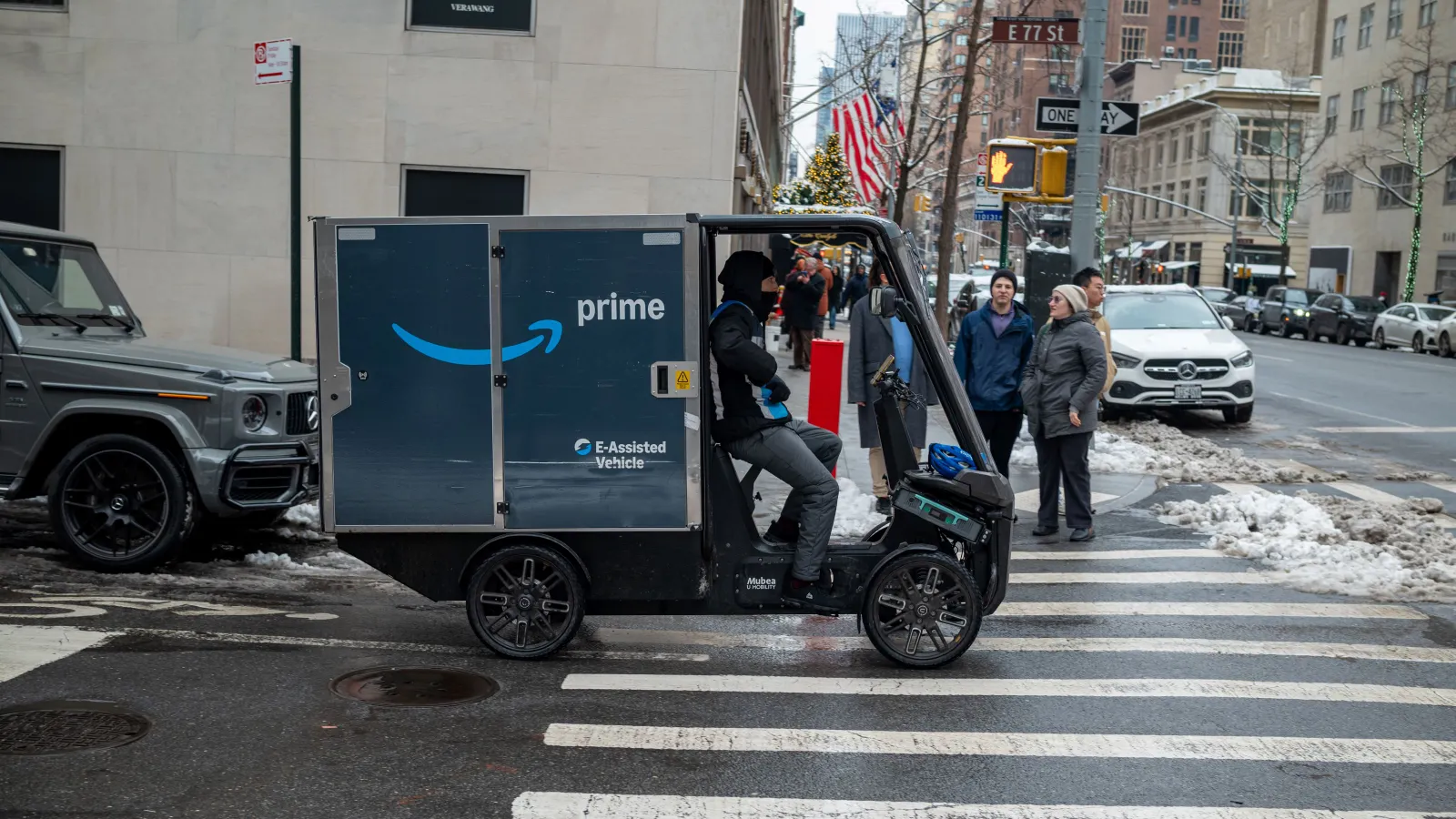
In the labyrinthine streets of New York City, the sight of an Amazon-branded van double-parked or navigating through congested avenues has become as synonymous with urban life as the yellow cab. Yet, beneath the familiar blue-and-white branding lies a complex, often opaque corporate structure. While the uniforms and vehicles bear the e-commerce titan’s logo, the individuals behind the wheel are frequently not employees of Amazon. They are, instead, the workforce of third-party "Delivery Service Partners" (DSPs)—independent business entities contracted to navigate the final, most grueling mile of the supply chain.
This logistical model, which allows major carriers to offload the overhead and liability of a massive workforce, now faces an existential threat. A proposed piece of legislation in New York City, the "Delivery Protection Act," seeks to dismantle this contractor-reliant architecture, igniting a fierce debate over the future of labor, the speed of commerce, and the regulatory boundaries of the modern gig economy.
The Core of the Conflict: A Shift in Employment Philosophy
At the heart of the proposed bill, which has received vocal backing from New York City Mayor Zohran Mamdani, is a mandate that would force a seismic shift in how logistics are handled in the five boroughs. The legislation stipulates that operators of last-mile warehouse and distribution facilities—those over a certain square footage—must directly employ their core delivery and warehouse personnel.
The goal is to eliminate the legal buffer provided by the subcontracting model. Proponents argue that companies like Amazon, FedEx, and others utilize these independent contractors to exert near-total control over routes, quotas, and uniforms while simultaneously insulating themselves from the legal and financial responsibilities that accompany direct employment, such as benefits, collective bargaining, and liability for traffic-related incidents.
If passed, the law would introduce a mandatory licensing system for distribution facilities. It would also mandate stringent safety and training standards, specifically focusing on urban navigation, pedestrian safety in high-density areas, and the management of traffic-clogged delivery corridors.
A Chronology of the Legislative Push
The momentum behind the Delivery Protection Act did not emerge in a vacuum; it is the culmination of years of labor advocacy and urban policy concerns.
- Early 2024: Mounting concerns regarding traffic congestion, driver safety, and labor standards in the e-commerce sector lead the New York City Council to begin drafting stricter oversight measures for last-mile facilities.
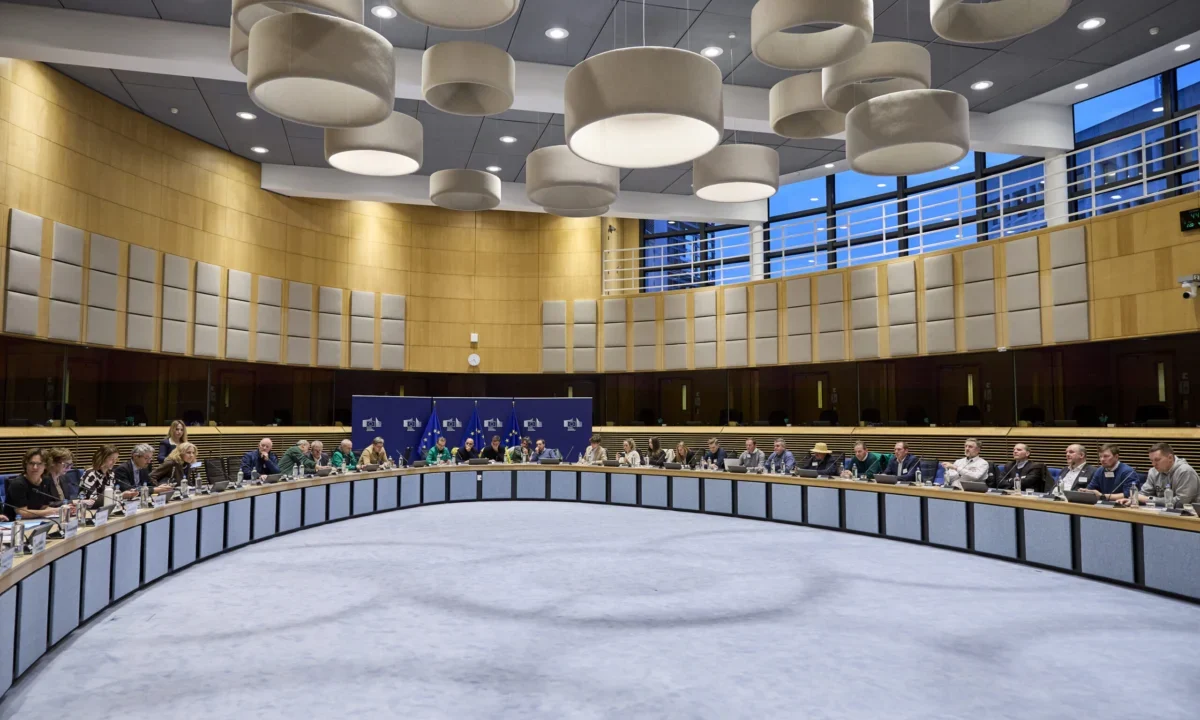
- April 2026: The Committee on Consumer and Worker Protection holds a series of high-stakes hearings. During these sessions, corporations, logistics experts, and labor unions submit exhaustive testimonies. The industry warns of supply chain disruptions, while labor advocates cite the need for corporate accountability.
- June 2026: The consultancy firm AKRF publishes a pivotal report commissioned by the "New York Delivers" coalition. The document details the potential economic fallout of the bill, warning of increased costs for consumers and the potential exodus of delivery facilities to neighboring New Jersey.
- Late June 2026: Mayor Mamdani officially announces his support for the legislation, framing it as a critical move to "close the loophole" that has allowed massive corporations to avoid direct labor responsibilities.
- Present Day: The bill remains in committee, serving as a legislative blueprint that is being closely monitored by municipalities across the United States, including Chicago, where the International Brotherhood of Teamsters is lobbying for similar protections.
Supporting Data: The Logistics Landscape of New York
The scope of the proposed legislation is immense, given the concentration of logistics infrastructure in New York City. According to an April 2026 report from the Committee on Consumer and Worker Protection, there are approximately 50 major last-mile delivery facilities in the city that exceed 50,000 square feet.
The data reveals that the burden of this legislation would fall unevenly across the industry:
- Amazon: Accounts for roughly 30% of these large-scale facilities.
- FedEx and UPS: Combined, these legacy carriers operate nearly 60% of the city’s large-scale distribution footprint.
- The Contractor Risk: Approximately 36% of the daily parcel volume currently circulating in New York City is handled by contractor models that would be fundamentally compromised by the new employment requirements.
The AKRF analysis suggests that the transition to a direct-employment model would trigger an immediate increase in operating costs. For companies accustomed to the lean, contractor-based model, the sudden requirement to provide full employee benefits, payroll taxes, and administrative support for thousands of workers would necessitate a complete restructuring of their pricing strategies.
Official Responses and Corporate Strategy
The corporate response has been swift and unified in its opposition. Amazon, in formal testimony, emphasized that the bill would effectively outlaw its current business arrangements with more than 40 local, small-to-medium-sized delivery businesses. The company contends that it has made significant strides in safety training and that the bill, as written, is a "job-killer" that would displace thousands of workers who currently own or operate these small firms.
"We’re trying to prevent that by working collaboratively with the City Council," an Amazon spokesperson stated, noting that the company has invited council members to witness the safety protocols already in place. The implicit threat, however, is clear: Amazon has signaled that it would likely relocate its operations outside of the five boroughs if the compliance costs become untenable.
Similarly, DoorDash has voiced strong opposition regarding its "DashMart" facilities. Ivan Garcia, the company’s head of government relations in NYC, argued that the business model of these convenience hubs—which rely on gig-economy "Dashers"—would be rendered unviable. If forced to classify these independent contractors as employees, DoorDash indicated it would have no choice but to shutter its NYC DashMarts entirely.
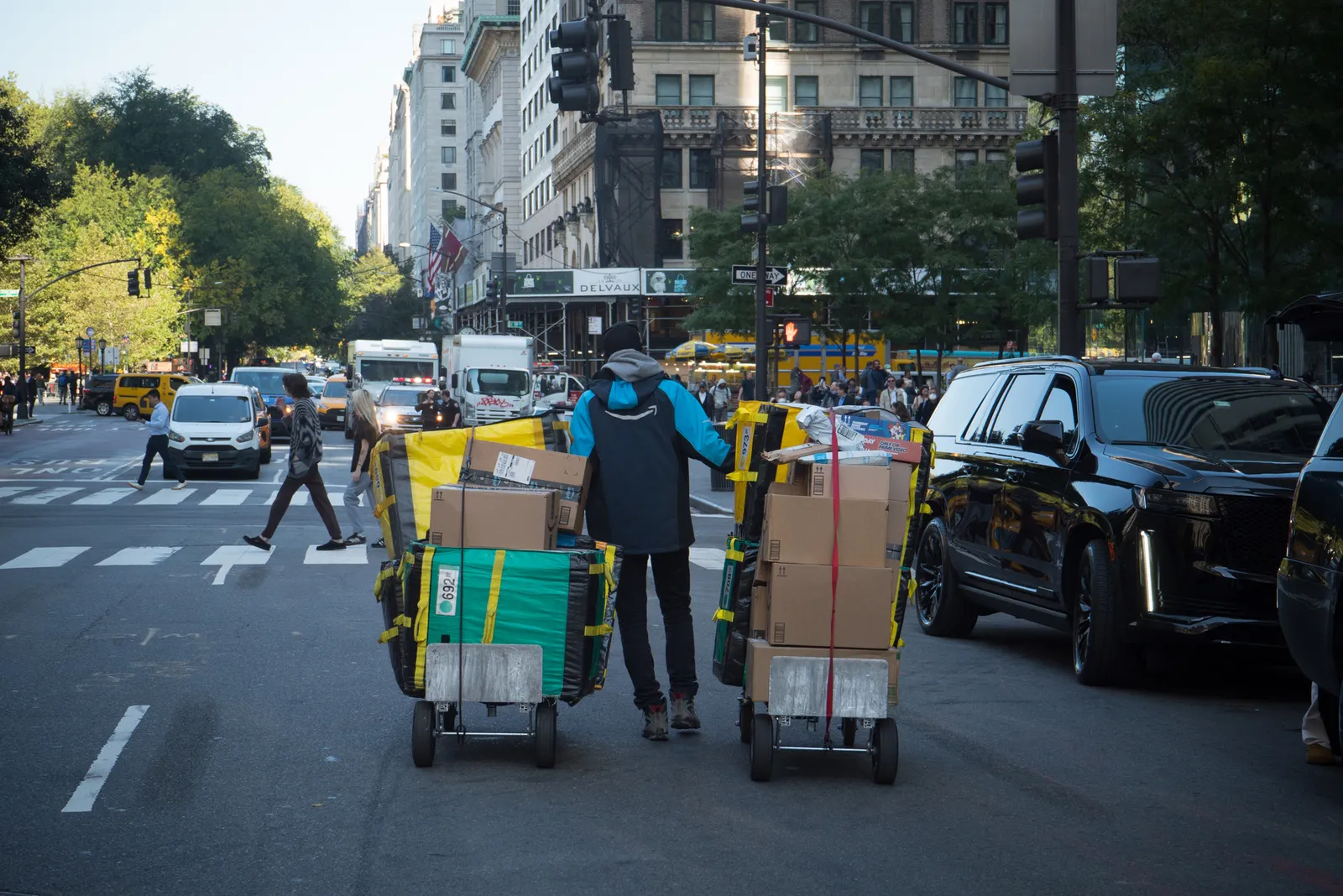
Conversely, the labor perspective is emboldened by the prospect of systemic change. Julie Su, the city’s deputy mayor for economic justice, has become the face of the administration’s effort to regulate the sector. "For years, Amazon has relied on a convoluted subcontracting system that denies last-mile drivers the protections other workers get," Su stated. She argues that the bill is the only way to rebalance the power dynamic between multinational corporations and the workers who facilitate their daily operations.
Implications: A Model for the Nation?
The debate over the Delivery Protection Act extends far beyond the borders of New York City. As Shawn Compton, chief logistics officer at DCL Logistics, notes, the legislation is being watched as a "canary in the coal mine."
The Relocation Risk
The most immediate implication of the bill is the potential "hollowing out" of city-based logistics. If major carriers move their distribution centers to New Jersey or other peripheral states to avoid the new labor standards, the physical distance between the warehouse and the doorstep will increase. This translates to longer transit times, a reduction in the number of daily stops per driver, and a subsequent decline in the availability of same-day and next-day delivery services for residents of the outer boroughs.
The Competitive Advantage of "Old Guard" Logistics
While companies like Amazon and FedEx face significant headwinds, the legislation could ironically strengthen the position of legacy carriers like UPS. Because UPS has historically utilized a direct-employment model, they are already in compliance with the spirit of the proposed law. Analysts suggest that if competitors are forced to withdraw or raise prices due to the new mandates, UPS could see a significant influx of parcel volume, further entrenching its position in the urban market.
The Middle Ground
Some industry experts, such as Jason Burns, founder of Last2First, suggest that the binary choice between "contractor" and "employee" may ignore potential middle-ground solutions. Burns suggests that legislators could instead focus on enforcing parity in contracts—ensuring that the smaller firms (the DSPs) have more leverage, better pay, and clearer safety mandates from their corporate partners, without necessarily destroying the independent business model entirely.
Conclusion
The Delivery Protection Act represents one of the most significant efforts in recent memory to apply 20th-century labor protections to 21st-century logistics. As the New York City Council weighs the potential for safer streets and more secure jobs against the reality of higher costs and the threat of corporate relocation, the outcome will likely define the future of urban commerce. Whether New York becomes a pioneer in regulating the gig economy or an example of the perils of over-regulation remains to be seen, but one thing is certain: the era of "no-strings-attached" last-mile delivery is nearing a definitive crossroads.
