

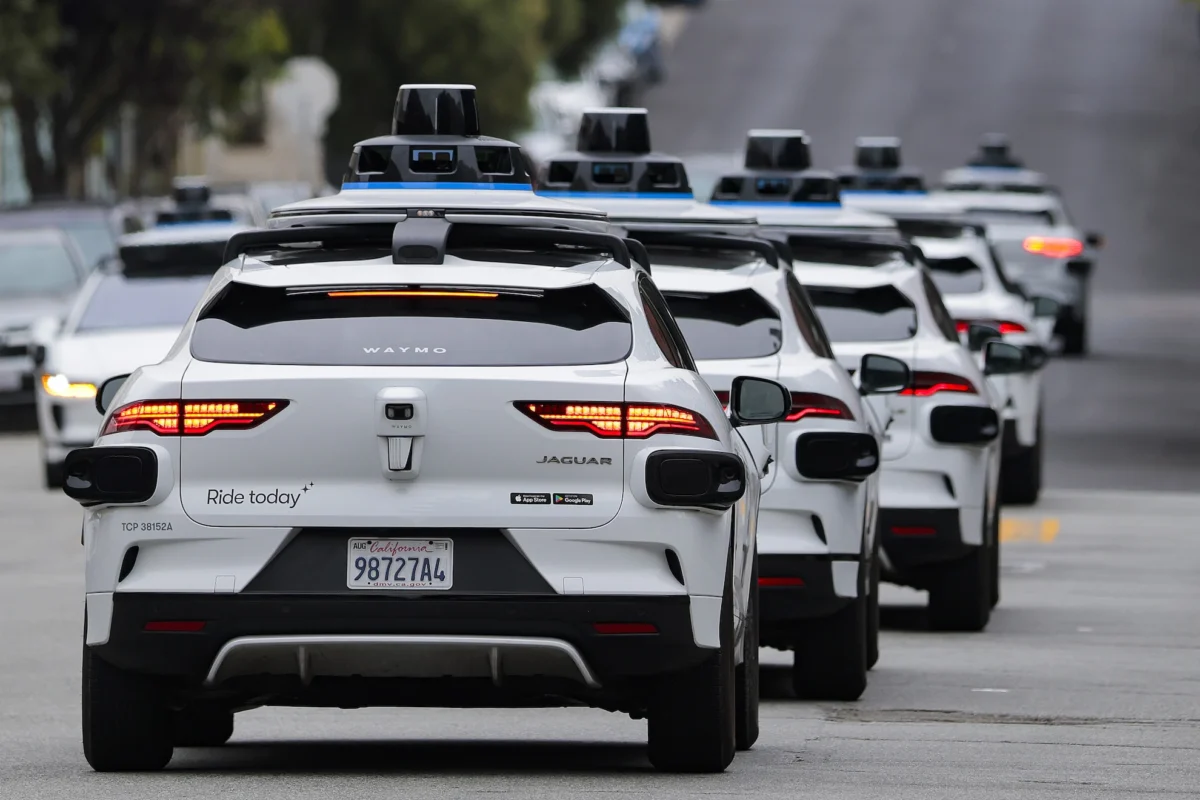
The long-simmering philosophical divide in the autonomous vehicle (AV) industry has erupted into an open commercial war. Waymo, the self-driving subsidiary of Alphabet Inc., has fired a series of direct, albeit unnamed, shots at Tesla’s autonomous driving strategy. The intellectual and public relations clash centers on a fundamental question: Can a safe, fully autonomous vehicle exist using only cameras and end-to-end artificial intelligence, or does scale require a redundant suite of multi-modal sensors?
This technological dispute has spilled over from academic journals and engineering labs into corporate blogs, executive interviews, and highly publicized social media debates. The escalation comes at a critical juncture. Waymo is rapidly expanding its commercial footprint across major American cities, while Tesla is preparing to formally unveil its highly anticipated, purpose-built "Cybercab" robotaxi. With hundreds of billions of dollars in market value at stake, the two giants are locked in a race to prove which technological philosophy will dominate the future of transportation.
Main Facts: Two Divergent Paths to Autonomy
At the heart of the conflict are two diametrically opposed engineering philosophies for achieving Level 4 and Level 5 vehicle autonomy:
┌─────────────────────────────────────────────────────────────────────────┐
│                       TWO PATHS TO AUTONOMY                             │
├────────────────────────────────────┬────────────────────────────────────┤
│           WAYMO'S APPROACH         │          TESLA'S APPROACH          │
├────────────────────────────────────┼────────────────────────────────────┤
│ • Sensor Fusion (Lidar, Radar,     │ • Vision-Only (Cameras only)       │
│   and Cameras)                     │                                    │
│ • Hybrid AI Architecture (Rule-    │ • Pure End-to-End Deep Learning    │
│   based safety + neural networks)  │   (Pixels in, control out)         │
│ • Retrofitted Fleet (Modified      │ • Purpose-Built Fleet (Custom      │
│   third-party vehicles)            │   Cybercab, no steering wheel)     │
└────────────────────────────────────┴────────────────────────────────────┘
Waymo’s Sensor Fusion and Interpretable AI
Waymo’s system relies on "sensor fusion," combining cameras, radar, and lidar (Light Detection and Ranging). Lidar sensors use laser beams to construct highly accurate, three-dimensional maps of the vehicle’s surroundings, operating independently of ambient lighting conditions.
Waymo pairs this multi-sensor hardware with a hybrid software architecture. While it utilizes advanced neural networks, it rejects a "pure end-to-end" AI model for safety-critical steering and braking commands. Instead, Waymo employs interpretable AI systems with deterministic, rule-based safety guardrails. This ensures that if a neural network experiences a "hallucination" or an unexpected edge case, backup safety protocols can immediately override the system to prevent a collision.
Tesla’s Vision-Only and End-to-End AI
In stark contrast, Tesla and its CEO, Elon Musk, have long dismissed lidar as an expensive and unnecessary "crutch." Tesla’s "Vision" system relies exclusively on optical cameras and artificial neural networks.
Furthermore, Tesla has transitioned its Full Self-Driving (FSD) software toward a pure end-to-end deep learning architecture. In this system, raw video pixels are fed directly into a massive neural network, which outputs steering, acceleration, and braking commands. There are no intermediate, rule-based coding layers to translate the visual data into distinct object classifications or explicit behavioral rules; the AI is expected to "learn" how to drive safely by mimicking millions of hours of human driving data.
Chronology: From Philosophical Debate to Commercial Street Fight
The rivalry between Waymo and Tesla has evolved over more than a decade, transforming from an academic disagreement into an aggressive commercial race.
  WAYMO                                                               TESLA
    │                                                                   │
    ├─► Mid-2010s: Deploys lidar-equipped                               │
    │   test vehicles in Phoenix.                                       │
    │                                                                   │
    │                                   2019: Musk famously claims ─────┤
    │                                   lidar is a "crutch" and         │
    │                                   promises 1M robotaxis by 2020.  │
    │                                                                   │
    ├─► 2020-2024: Expands commercial                                   │
    │   rideshare operations in Phoenix,                                │
    │   San Francisco, and Los Angeles.                                 │
    │                                                                   │
    │                                   Early 2026: Trials FSD-based ───┤
    │                                   robotaxi network in TX/FL       │
    │                                   using modified Model Ys.        │
    │                                                                   │
    ├─► Aug 10, 2026: Publishes "AI                                     │
    │   Lessons" blog post, attacking                                   │
    │   end-to-end "black box" systems.                                 │
    │                                                                   │
    ├─► Aug 26, 2026: VP Srikanth                                       │
    │   Thirumalai critiques vision-only                                │
    │   autonomy in Axios interview.                                    │
    │                                                                   │
    ├─► Aug 27-31, 2026: Social media                                   │
    │   clash erupts on X between Waymo                                 │
    │   spokesperson and Tesla bulls.                                   │
    │                                                                   │
    ├─► Sep 1, 2026: Announces expansion                                │
    │   to Denver, San Diego, and Tampa.                                │
    │                                                                   │
    │                                   Sep 3, 2026: Scheduled to ──────┤
    │                                   formally unveil the two-seater  │
    │                                   "Cybercab" robotaxi.            │
│ │- The Early Years (Mid-2010s – 2019): Waymo, spun out of Google’s self-driving car project (Project Chauffeur), focused on geofenced, highly mapped urban environments using lidar-heavy vehicles. Tesla focused on consumer vehicles, selling its Autopilot and FSD packages with the promise that over-the-air software updates would eventually unlock full autonomy on existing hardware. In 2019, Elon Musk famously declared that "anyone relying on lidar is doomed."
- The Scaling Era (2020 – Mid-2026): Waymo slowly but steadily built a commercial ridesharing service, Waymo One, accumulating millions of driverless miles. Tesla continuously delayed its dedicated robotaxi timeline, though it accumulated vast datasets from consumer vehicles operating under driver supervision.
- August 10, 2026: Waymo published a detailed corporate blog post outlining "10 AI Lessons." The document argued that pure end-to-end AI systems are inherently unsafe for physical-world applications, directly challenging Tesla’s software paradigm.
- August 26, 2026: Srikanth Thirumalai, Waymo’s Vice President of Driving Software, doubled down on these criticisms in a widely read interview with Axios, warning of the dangers of "black box" neural network failures.
- Late August 2026: A fierce debate erupted on social media platform X (formerly Twitter). Financial analysts and tech enthusiasts argued over the merits of Waymo’s hardware-heavy approach versus Tesla’s software-first, scalable model.
- September 1, 2026: Waymo announced a major expansion of its robotaxi network into Denver, San Diego, and Tampa, bringing its presence to more than a dozen U.S. cities.
- September 3, 2026: Tesla’s scheduled formal introduction of its purpose-built, two-seater Cybercab. The vehicle is designed without a steering wheel or pedals, intended to operate on Tesla’s vision-only FSD network.
Supporting Data: The Metrics of Autonomy
To understand the scale of this commercial confrontation, it is necessary to examine the operational and financial data driving both companies.
Waymo’s Fleet and Operational Milestones
Waymo’s conservative, safety-first approach has yielded a highly functional, revenue-generating network.
- Fleet Size: Approximately 4,000 active robotaxis.
- Operational Footprint: Currently serving passengers in 14 U.S. metropolitan areas, including Phoenix, San Francisco, Los Angeles, and newly announced markets in Denver, San Diego, and Tampa.
- Weekly Volume: Delivering over 500,000 paid passenger trips per week.
- Real-World Experience: Waymo’s autonomous driving system has logged more than 200 million real-world miles.
Tesla’s Production and Testing Targets
Tesla relies on its massive consumer fleet for shadow-testing software, but is now transitioning to dedicated commercial operations.
- Production Target: According to recent regulatory filings, Tesla aims to manufacture more than 125,000 Cybercabs annually.
- Design Specifications: The Cybercab is designed as a highly optimized, low-cost, two-seater vehicle with a small battery and no manual driving controls (steering wheel or pedals).
- Pilot Program: Tesla has been quietly trialing its own robotaxi network in select Texas and Florida cities using modified Model Y SUVs. Within the last month, the company began removing human safety monitors from a majority of these test vehicles.
- Regulatory Progress: Tesla has begun officially registering Cybercabs with the Texas Department of Motor Vehicles (DMV) ahead of its public debut.
┌─────────────────────────────────────────────────────────────────────────┐
│                     MARKET VALUATION PROJECTIONS                        │
├─────────────────────────────────────────────────────────────────────────┤
│                                                                         │
│  Goldman Sachs (2035 Robotaxi Market Estimate):                         │
│  ██████████████████████████████████████ $400 Billion                    │
│                                                                         │
│  Morgan Stanley (Long-term Investor Opportunity):                       │
│  ███████████████████████████████████████████████████████████ $1 Trillion │
│                                                                         │
└─────────────────────────────────────────────────────────────────────────┘
Official Responses: The Public War of Words
The technological divide has sparked sharp public commentary from executives, spokespeople, and market analysts.
Waymo’s Warning Against "Black Box" AI
In Waymo’s blog post, Srikanth Thirumalai wrote:
"Cameras are incredible, but they aren’t enough. For years, there’s been a debate over whether cameras alone could solve full autonomy. Now, after more than 200 million real-world miles, the data is clear: safe, fully autonomous operations at scale require more. By combining inputs from cameras, lidar, and radar, the Waymo Driver creates a rich, redundant world view that no single sensor can replicate."
Speaking to Axios, Thirumalai warned of the catastrophic risks associated with end-to-end neural architectures that output steering commands directly from raw pixel inputs:
"Even the best AI models with trillions of parameters still hallucinate. There is no click reboot or reload or refresh [in] physical AI. You have to deal with the consequences of it."
The Analyst Backlash and Waymo’s Defense
Supporters of Tesla’s approach quickly pushed back, framing Waymo’s stance as defensive posturing. Pierre Ferragu, an analyst and managing partner at New Street Research, wrote on X:
"Arguments they bring forward are poor. My read: Waymo built a driving gas plant that AI at scale makes irrelevant, and now falls into incumbent rhetoric. Innovator dilemma 101."
In response to the mounting online criticism, Waymo spokesperson Ethan Teicher shared a promotional image from the movie John Wick depicting the main character surrounded by dozens of guns pointed at his head. Teicher captioned the image:
"How it feels to say your data and record of success leads you to believe driverless mileage, AI interpretability, and multiple sensor types are critical for safe, fully autonomous driving at scale."
Implications: The High-Stakes Battle for Market Dominance
The outcome of this technological schism will shape the future of urban transportation, automotive manufacturing, and artificial intelligence.
The Economics of Scaling: CapEx vs. Margins
The core of the "Innovator’s Dilemma" critique leveled against Waymo is cost. Waymo’s vehicles are highly capital-intensive. The company does not manufacture its own cars; instead, it purchases vehicles from external partners—such as Jaguar Land Rover or Geely’s Zeekr—and retrofits them with its expensive sensor suite. Furthermore, relying on foreign-manufactured platforms like the Zeekr-made "Ojai" exposes Waymo to significant geopolitical risks, including high import tariffs on Chinese-made electric vehicles.
┌─────────────────────────────────────────────────────────────────────────┐
│                   COMPETING BUSINESS MODELS                             │
├────────────────────────────────────┬────────────────────────────────────┤
│         WAYMO'S CAPEX MODEL        │        TESLA'S VERTICAL MODEL      │
├────────────────────────────────────┼────────────────────────────────────┤
│ • High hardware costs (Lidar,      │ • Low hardware costs (Standard     │
│   radar, cameras)                  │   cameras only)                    │
│ • Third-party vehicle sourcing     │ • In-house manufacturing           │
│   (Subject to import tariffs)      │   (High margin potential)          │
│ • Proven, regulatory-friendly      │ • Unproven regulatory path for     │
│   safety record                    │   steering-wheel-less vehicles     │
└────────────────────────────────────┴────────────────────────────────────┘
Tesla’s model is built for massive scale and high profit margins. By manufacturing its own vehicles and relying entirely on low-cost camera hardware, Tesla can theoretically produce and deploy robotaxis at a fraction of Waymo’s cost. If Tesla’s vision-only FSD software achieves reliable Level 4 autonomy, it could easily undercut Waymo, Uber, and traditional ride-hailing services on price per mile.
Operational and Regulatory Hurdles
However, the path to commercial viability is not determined by hardware costs alone. Waymo’s slow, methodical rollout has allowed it to solve complex operational challenges that go beyond basic driving mechanics. Waymo vehicles have navigated millions of miles through dense urban traffic, adverse weather conditions, active construction zones, and school crossings—all while developing protocols to interact safely with law enforcement and emergency services.
Tesla must prove that its vision-only, end-to-end system can handle these real-world complexities without safety drivers. A single high-profile accident involving an unsupervised, steering-wheel-less Cybercab could trigger severe regulatory pushback, ground fleets, and damage public trust.
Conclusion: A $1 Trillion Verdict
The autonomous vehicle industry is rapidly approaching a definitive fork in the road. If Waymo’s multi-sensor, safety-first paradigm remains the only viable path to secure regulatory approval and public confidence, the company will maintain its early lead, despite higher hardware costs.
Conversely, if Tesla’s end-to-end AI proves capable of navigating the real world safely using only cameras, it will validate Elon Musk’s high-stakes gamble. This would render Waymo’s expensive hardware suites obsolete and position Tesla to dominate a projected $1 trillion market. With the Cybercab’s launch and Waymo’s rapid multi-city expansion, the market is about to deliver its verdict.
