





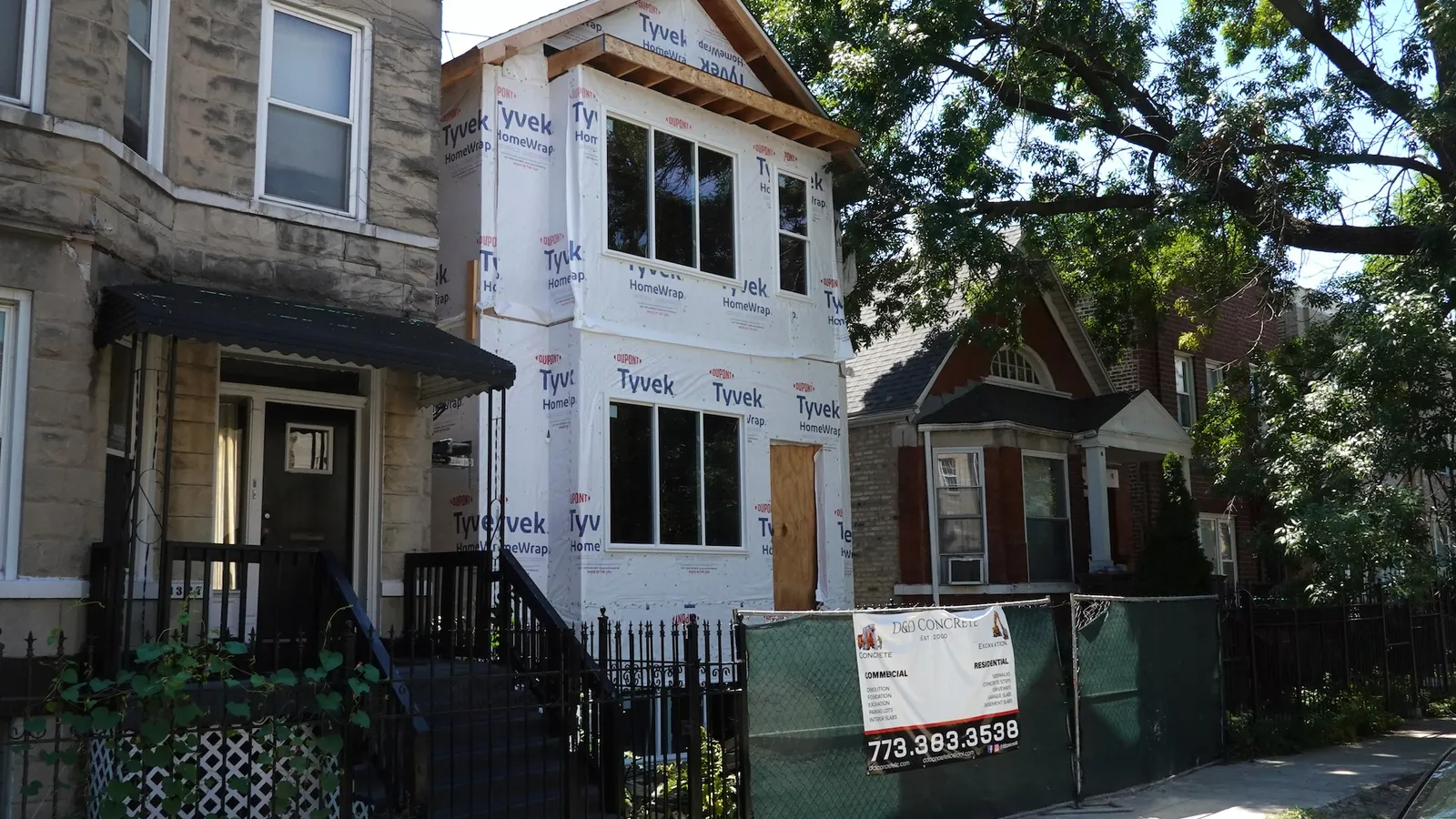
Introduction: A Shift in Strategy
As the national housing supply crisis continues to exert pressure on urban and suburban affordability, the focus of development policy in Illinois is undergoing a significant transition. Following the legislative collapse of a high-profile, governor-backed effort to impose statewide zoning mandates, the Illinois Realtors association has unveiled a new "Housing Supply Accelerator" program. This initiative represents a pivot from centralized, top-down legislative pressure to a collaborative, municipality-led approach, aiming to empower local leaders with the technical and political tools necessary to overcome barriers to development.
The program, anchored by a comprehensive Housing Supply Playbook, marks a strategic realignment in the housing debate. While Governor JB Pritzker remains committed to broad-scale reforms, the immediate future of Illinois housing appears to lie in the hands of local municipal councils, city planners, and regional stakeholders who must navigate the complex intersection of community character, infrastructure capacity, and the desperate need for "missing middle" housing.
Chronology of the Legislative Standoff
To understand the necessity of the Realtors’ new initiative, one must examine the intense legislative theater that defined the first half of 2026.
- February 2026: In his State of the State address, Governor JB Pritzker elevated housing supply to a top-tier administrative priority. He proposed aggressive statewide zoning reforms designed to legalize "missing middle" housing—duplexes, townhomes, and courtyard apartments—in communities that had historically restricted development to single-family lots.
- March–April 2026: The proposal encountered immediate and stiff resistance from the Illinois Municipal League (IML). The IML, representing the collective interests of local governments, mobilized to frame the bill as an overreach of state power.
- May 2026: As the spring legislative session approached its conclusion, the bill failed to clear the State Senate. The impasse highlighted a deep philosophical divide: the state’s desire to address a regional crisis versus the municipal insistence on local control.
- August 2026: Following the bill’s shelving, Illinois Realtors announced the launch of their Housing Supply Accelerator. The program aims to bypass the gridlock by providing the "blueprint and leverage" needed for local governments to modernize their own land-use policies voluntarily.
The Policy Conflict: State Mandate vs. Local Autonomy
The failure of the Governor’s zoning reform initiative was not merely a matter of parliamentary procedure; it was the culmination of a fundamental disagreement over governance.
The Governor’s Perspective
Governor Pritzker’s administration has consistently argued that the housing crisis is a systemic issue that transcends municipal borders. By advocating for statewide standards, the administration sought to prevent individual cities from using zoning codes as a tool for exclusion, which often effectively bans the construction of more affordable, dense housing types. Proponents argue that when municipalities act in isolation, the cumulative effect is a regional shortage that drives up costs for renters and first-time homebuyers alike.
The Municipal League’s Stance
Conversely, the Illinois Municipal League positioned itself as the defender of democratic self-determination. Brad Cole, CEO of the IML, became the face of the opposition. His critique was sharp: "Zoning and land use decisions are best made locally by the leaders elected in those communities." The IML argued that the state’s proposal was a "broad preemption of authority," contending that local leaders are better equipped to understand the nuances of their specific neighborhood infrastructure, school capacities, and environmental constraints than state lawmakers in Springfield.
Supporting Data: Why the Crisis Persists
The urgency behind these initiatives is grounded in grim economic realities. Illinois, like much of the Midwest, has struggled with a chronic under-production of housing units relative to population growth and household formation.
- The "Missing Middle" Gap: For decades, zoning laws in many Illinois suburbs have favored large-lot single-family detached homes. This leaves a massive hole in the market for starter homes, which are essential for young families and seniors looking to downsize.
- Supply-Demand Mismatch: As interest rates fluctuate and construction costs remain elevated, the ability of developers to build entry-level housing has diminished. Without regulatory streamlining, the math simply does not support the construction of affordable density.
- Cost of Living Trends: Data suggests that when housing supply is artificially constrained by restrictive zoning, rents and property prices rise disproportionately to local wages. This forces workers to commute longer distances, placing additional strain on regional transportation infrastructure and the environment.
Official Responses and Stakeholder Positions
Illinois Realtors: The New Middleman
With 50,000 members across the state, Illinois Realtors is positioning itself as the bridge between state-level intent and local-level execution. Jeff Kolbus, the 2026 President of Illinois Realtors, articulated the organization’s shift in an August 11 news release.
"We’ve seen momentum building at the federal level, and we’ve seen state leaders recognize the severity of this supply crisis," Kolbus stated. "Now, the battleground is local. Mayors are asking for help, developers are ready to build, and this program delivers the exact blueprint and leverage needed to turn policy intent into actual homes."
The program intends to deploy government affairs directors directly to city halls and county boards. This hands-on approach is designed to provide local leaders with technical data, economic impact studies, and best practices that can help them overcome "NIMBY" (Not In My Backyard) opposition by presenting development as a data-backed necessity rather than a political liability.
Implications for the Future of Illinois Housing
The "Bottom-Up" Experiment
The success of the Illinois Realtors’ program will be a litmus test for the future of urban planning in the state. If the "playbook" approach succeeds in generating a wave of locally-approved housing projects, it could demonstrate that state-level mandates are unnecessary. However, if progress remains stagnant, the pressure for the Governor to reintroduce legislation—perhaps with more punitive measures for non-compliant municipalities—will only intensify.
The Role of Technology and Planning
Modern urban planning is becoming increasingly data-driven. The playbook provided by the Realtors includes guidance on how to conduct housing needs assessments, how to streamline permitting processes, and how to utilize tax increment financing (TIF) and other incentives to encourage the development of multi-family units. This technical support is critical; many smaller municipalities lack the professional planning staff necessary to overhaul their zoning codes effectively.
Regional vs. Local Interests
The central tension remains: can local governments truly be expected to prioritize regional housing goals when they are accountable only to their local electorate? This remains the primary criticism of the "voluntary" approach. Critics of the Realtors’ program argue that without state-level "teeth," progress will be uneven, with some progressive municipalities embracing density while others continue to entrench themselves behind restrictive zoning.
Conclusion: Turning Policy into Homes
The launch of the Housing Supply Accelerator is an acknowledgment that the "all-or-nothing" approach of the 2026 legislative session left a void in housing policy. By pivoting to a localized strategy, the Illinois Realtors hope to unlock development by meeting leaders where they are—at the council table.
As the state moves forward, the success of this endeavor will depend on the willingness of local officials to look past the political friction of the past year and recognize the economic necessity of expanding the housing supply. Whether this bottom-up strategy can achieve the scale of change required to solve the state’s housing crisis remains to be seen, but it is clear that the focus has shifted from the halls of the State Capitol to the town halls of Illinois’ many diverse communities. The battle for housing is no longer just a legislative struggle; it is now a grassroots movement to reshape the landscape of Illinois, one neighborhood at a time.
