




For more than a century, Ford Motor Company has operated as an automaker uniquely dependent on the "blockbuster" product. From the historic democratization of mobility with the Model T to the suburban revolutions sparked by the Taurus and the Explorer, Ford’s corporate history is a timeline of massive, era-defining successes interspersed with periods of strategic drift.
Today, the Dearborn, Michigan-based automaker finds itself in another transitional valley. Despite a respectable 6% year-over-year increase in U.S. vehicle sales to 2.08 million units in 2025, Ford’s current volume remains less than half of its historical peak of 4.48 million vehicles sold in the year 2000. In recent years, none of its new vehicle rollouts have captured the cultural or commercial zeitgeist in the way its legacy nameplates once did.
Now, Ford CEO Jim Farley is betting the company’s electric future on a bold new entry: the Fathom, an ultra-affordable, compact electric pickup truck built on the company’s highly anticipated "Universal EV" platform. Farley has gone so far as to call the development of this vehicle and its underlying platform a modern "Model T moment."
Yet, as Ford prepares to launch the Fathom into an increasingly complex macroeconomic and geopolitical landscape, industry analysts are questioning whether a compact electric truck—no matter how aggressively priced—can truly deliver the volume Ford needs to compete with a rising tide of low-cost Chinese electric vehicles (EVs).
Main Facts: Breaking the $30,000 EV Barrier
The defining feature of the Ford Fathom is its disruptive pricing structure. In an era where the average price of a new electric vehicle hover around $56,000, and the average price of any new vehicle (internal combustion or electric) sits at roughly $50,000, Ford has announced that the base model of the Fathom will start at $28,350. With destination fees included, the entry-level price comes to $29,945.
[Average EV Price: $56,000] ───┐
                               │
[Average ICE Price: $50,000] ──┼───> [Keating Line: $35,377] ───> [Ford Fathom: $29,945 (with fee)]
This pricing positions the Fathom approximately $5,000 below the Keating Line—the $35,377 average listing price of the largest, most active volume segment available at U.S. dealerships today.
Key Product Highlights of the Fathom:
- Platform: Built on Ford’s next-generation "Universal EV" platform, designed from the ground up by a specialized "skunkworks" engineering team.
- Form Factor: Compact pickup truck, offering slightly larger interior dimensions than the current gas-powered and hybrid Ford Maverick.
- Storage Innovations: Features a front trunk ("frunk"), providing secure, enclosed cargo space—a feature traditionally lacking in compact pickups.
- Target Audience: Value-conscious buyers, suburban commuters, and buyers transitioning from traditional sedans or compact SUVs.
Chronology: From the Model T to the Universal EV Platform
To understand the strategic weight resting on the Fathom, one must examine the cyclical history of Ford’s product pipeline:
1908: Model T ──> 1986: Taurus ──> 1990: Explorer ──> 2000: Peak Sales (4.48M) ──> 2025: Current Sales (2.08M) ──> Future: Fathom EV- 1908 – The Model T Era: Henry Ford introduces the assembly line, driving down the cost of the Model T and making automobile ownership accessible to the American middle class. This established Ford’s corporate identity as a volume-driven pioneer.
- 1986 – The Taurus Revolution: Facing financial ruin in the mid-1980s, Ford gambles on the aerodynamically styled Taurus. It becomes the best-selling car in America, single-handedly saving the company and defining automotive design for a decade.
- 1990s – The SUV Boom: Ford launches the Explorer, transforming the rugged, utilitarian sport-utility vehicle into the default family vehicle of suburban America.
- 2000 – The Peak: Driven by the F-150, Explorer, and Taurus, Ford’s U.S. sales peak at an unprecedented 4.48 million vehicles.
- 2001–2024 – The Great Contraction: Over two decades, market share erodes due to intense foreign competition, financial crises, and a shifting regulatory environment.
- 2021 – The Maverick Experiment: Ford introduces the Maverick, a compact, hybrid-first pickup starting under $20,000 at launch. It becomes a cult hit, proving that an appetite for small, affordable utility vehicles still exists.
- 2025–2026 – The Universal EV Initiative: Recognizing that its first-generation EVs (such as the Mustang Mach-E and F-150 Lightning) are too expensive and complex to manufacture profitably, Ford pivots. Jim Farley tasks a specialized team with throwing out traditional manufacturing paradigms to design a low-cost, global EV platform to counter Chinese competitors like BYD.
Supporting Data: The Market Realities Facing the Fathom
While the Fathom’s sub-$30,000 price tag is an engineering and financial milestone, consumer behavior data suggests that price alone may not guarantee a blockbuster success. Ford faces several structural headwinds in the North American market.
1. The Niche Status of Compact Pickups
The compact pickup segment was largely abandoned by major automakers until the debut of the Ford Maverick in 2021. While the Maverick has been a commercial success for Ford, its sales volume indicates the segment has a natural ceiling:
| Vehicle Model | Peak Annual U.S. Sales | Context |
|---|---|---|
| Ford Taurus (1992) | ~400,000+ units | Mainstream sedan dominant era |
| Ford Explorer (2000) | ~445,000 units | Peak SUV boom |
| Ford Maverick (2025) | ~155,000 units | Modern compact truck niche |
At 155,000 units annually, the Maverick is a highly profitable, steady performer, but it is not the high-volume "sensation" that can single-handedly lift Ford back toward its historic market share peaks.
2. Body Style Preferences: SUVs vs. Pickups
According to consumer research from Cox Automotive’s Brand Watch study, body style remains a major hurdle for any pickup truck attempting to capture mass-market volume:
Prospective Buyer Interest by Segment:
[██████████████████████████████ 70%] SUV Segment
[██████████████ 33%] Pickup Segment
With over 70% of prospective car buyers shopping for an SUV, a compact pickup like the Fathom starts with a significantly smaller addressable audience.
3. The Aesthetics of "Ruggedness"
Among buyers who do want a truck, purchase decisions are heavily driven by lifestyle branding and styling. Many truck buyers prioritize a "rugged," off-road aesthetic—often characterized by high ground clearance, aggressive grilles, and lifted suspension profiles.
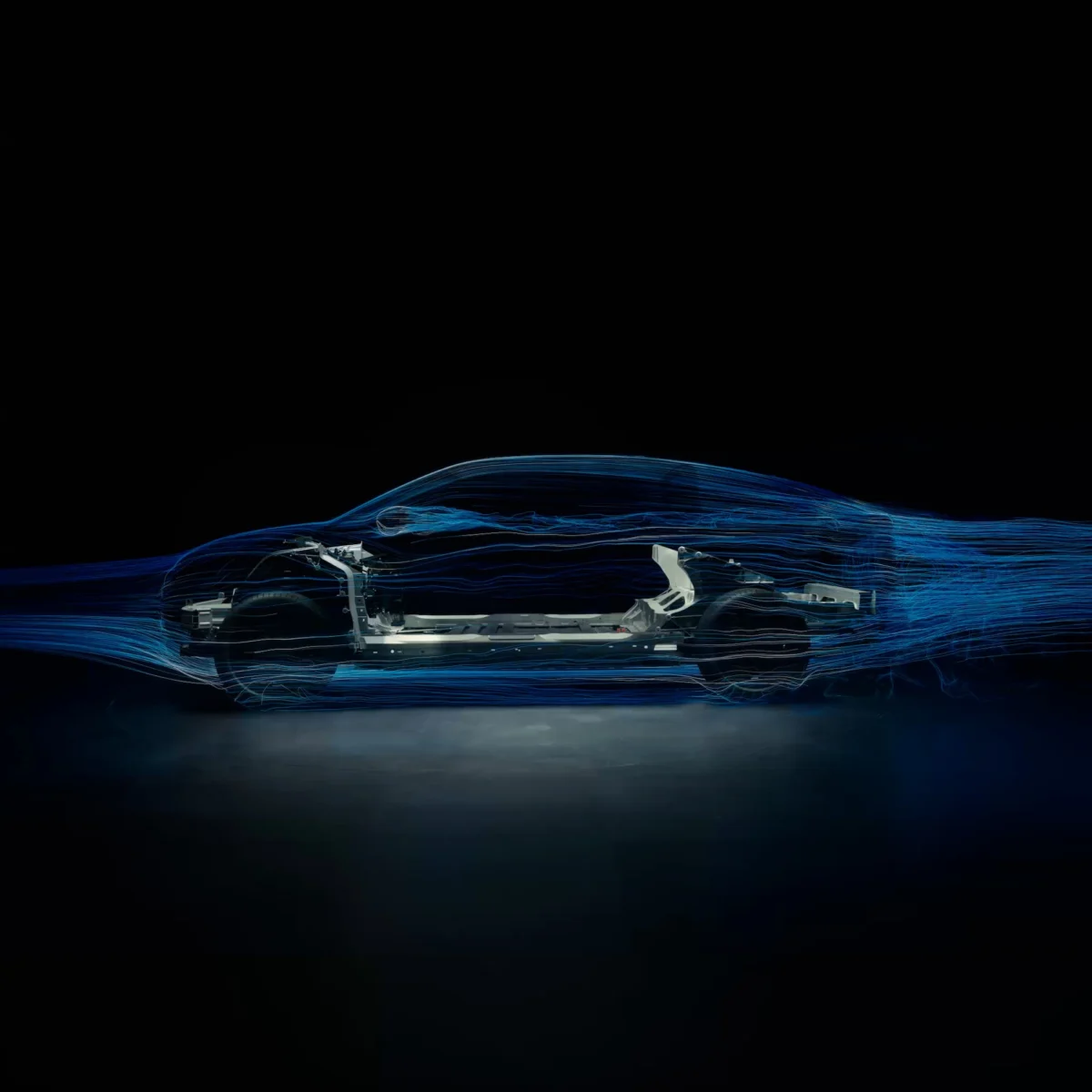
In contrast, early previews of the Fathom indicate a highly aerodynamic, cab-forward design optimized for low wind resistance and maximum battery efficiency. This "sleek and efficient" aesthetic risks alienating traditional truck buyers who demand a more muscular visual profile.
Official Responses & Strategic Vision
Ford’s leadership has been candid about the existential stakes of this new product line. CEO Jim Farley has repeatedly emphasized that the Fathom and the Universal EV platform are designed to address the most pressing threat to legacy Western automakers: low-cost Chinese electric vehicles.
"We have to build an EV that can compete with the best in the world, and right now, the benchmark for affordable electric vehicles is coming out of China," Farley has noted in recent executive briefings. By leveraging Formula 1-inspired engineering efficiencies and offering "bounties" to suppliers to reduce part counts, Ford claims to have engineered massive costs out of the Fathom’s manufacturing process.
Rethinking the Assembly Line
To achieve the Fathom’s $29,945 starting price, Ford is discarding Henry Ford’s century-old moving assembly line in favor of a new modular manufacturing process. This new approach—often referred to as "un-boxed" or cell-based manufacturing—involves assembling different sections of the vehicle in parallel dedicated areas before bringing them together for final joining. This reduces the factory footprint, lowers capital expenditures, and significantly cuts down on assembly times.
Contrasting Strategies: Ford vs. General Motors
Ford’s approach with the Fathom stands in sharp contrast to its crosstown rival, General Motors. While GM has focused heavily on delivering high-margin, "lifted" electric trucks and premium SUVs (such as the Chevrolet Silverado EV and GMC Hummer EV) to satisfy traditional truck enthusiasts, Ford is prioritizing structural affordability, aerodynamic efficiency, and entry-level accessibility.
Implications & Industry Outlook
The ultimate success of the Fathom may not be measured solely by its initial sales charts. Instead, the vehicle represents a crucial tactical maneuver in a broader, multi-decade transition to electric propulsion.
Fathom Launch ──> Validate Low-Cost Assembly ──> Refine Universal Platform ──> Scale to SUV & Commercial SegmentsThe Fathom as a "Trojan Horse"
Rather than swinging for a home run in a high-volume segment like mid-size SUVs, Ford is using the compact pickup niche as a real-world incubator. Because the compact truck market is growing but not yet overcrowded, Ford can absorb and satisfy initial demand while quietly perfecting its new modular manufacturing process.
Once the "kinks" are ironed out of the Universal EV platform and the new assembly method is validated, Ford can seamlessly scale the architecture upward into more lucrative, high-volume segments—most notably, compact and mid-size electric SUVs.
Overcoming the EV Adoption Plateau
For the Fathom to succeed, Ford must also overcome widespread consumer hesitation regarding electric vehicles. While early adopters have fully embraced EVs, the mass market remains wary of charging infrastructure, battery longevity, and cold-weather performance.
To combat this, Ford is expected to invest heavily in dealer training and localized marketing campaigns, positioning the Fathom’s unique "frunk" and low operating costs as a superior, more practical alternative to traditional gas-powered sedans.
Conclusion: Getting on Base
The Fathom is unlikely to match the immediate, blockbuster sales numbers of the 1990s Taurus or the peak-era Explorer. However, in the modern, highly fragmented automotive market, Ford may no longer need a single, towering home run.
By delivering a sub-$30,000 EV that is cheap to build, practical to own, and highly efficient to manufacture, Ford is laying the groundwork for its survival in the electric age. The Fathom may not be the vehicle that restores Ford to its historic peak of 4.48 million vehicles—but it is very likely the vehicle that ensures the company remains a dominant player for the next century.
