




In the evolving landscape of global energy, the traditional model of a centralized power plant—a massive, isolated facility burning fuel to push electrons across vast distances—is facing a digital revolution. Enter the Virtual Power Plant (VPP): a sophisticated, decentralized network that turns your household appliances into a coordinated grid resource. By linking thousands of smart thermostats, electric vehicle (EV) chargers, and home battery systems, utilities are creating "invisible" power plants that help stabilize the grid, reduce carbon footprints, and put money back into the pockets of everyday consumers.
The Mechanics: How a VPP Functions
A Virtual Power Plant is essentially a software-orchestrated collective. When electricity demand spikes—such as during a scorching heatwave or a cold winter snap—the grid comes under immense pressure. Historically, this forced utilities to fire up "peaker plants," often carbon-intensive, expensive, and aging facilities that operate only when demand is at its peak.
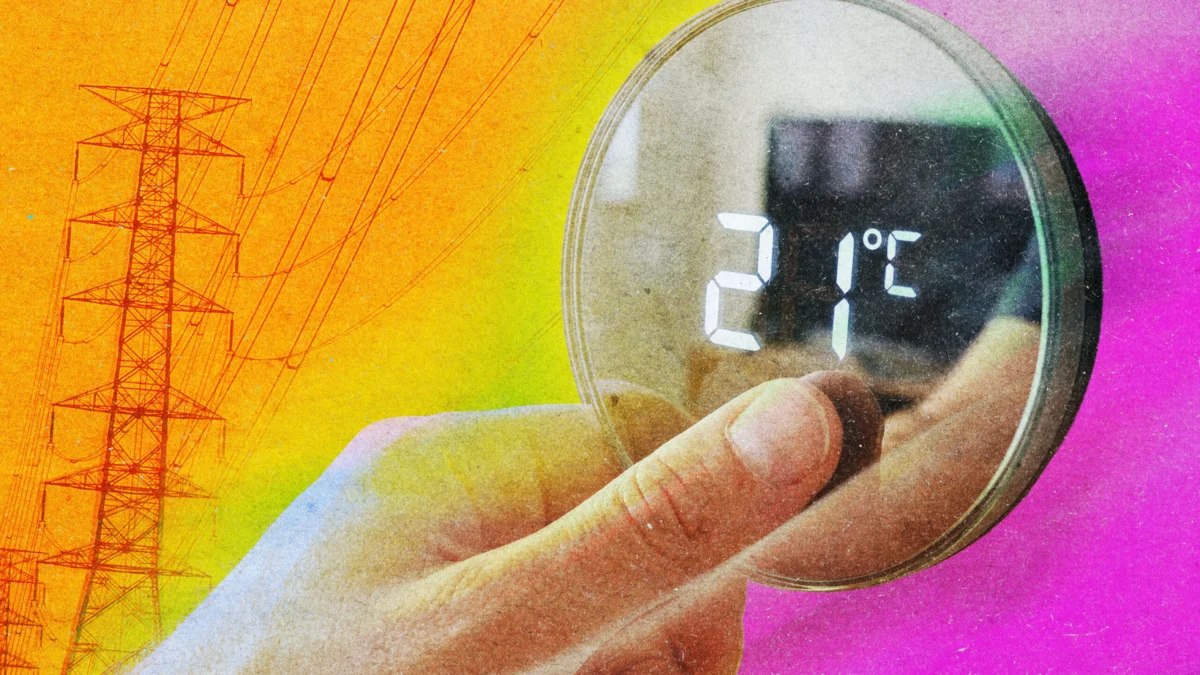
With a VPP, the utility bypasses the need for these dirty plants by communicating directly with your home. Through an internet-connected device, the utility can trigger a subtle, temporary adjustment: your smart thermostat might increase by two degrees, or your EV charging session might pause for 30 minutes. While the impact on an individual household is negligible—often imperceptible to the occupant—the aggregate effect is profound. When scaled across hundreds of thousands of homes, these micro-adjustments provide the grid with the same relief as a massive, traditional power station.
A Brief History and Evolution
The concept of "demand response"—the precursor to the modern VPP—has existed for decades, primarily in the industrial sector. Large factories were paid to power down machinery during peak hours to avoid grid collapse. However, the technology was clunky and required manual oversight.
The Milestones of Decentralization:
- Early 2000s: Utilities begin experimenting with "load control" switches for water heaters and central air conditioning units. These were one-way, "dumb" switches that the utility could turn off during emergencies.
- 2010s: The proliferation of smart home devices, most notably the Nest thermostat, transformed demand response from a blunt instrument into a precision tool. Software companies like EnergyHub began creating platforms to bridge the gap between utility back-end systems and consumer devices.
- 2020–2023: The "Battery Boom" and the rise of EVs shifted the narrative. VPPs began moving beyond simple load shedding (turning things off) to active energy management, where batteries could discharge stored solar energy back into the grid.
- 2024 and Beyond: With major tech giants like Google entering the space to secure clean energy for data centers, VPPs have transitioned from a niche utility experiment to a cornerstone of the modern, decarbonized electric grid.
The Economic Incentive: Why Participate?
The most compelling argument for VPP adoption is the direct financial benefit to the consumer. As Seth Frader-Thompson, CEO and cofounder of EnergyHub, notes, these programs are designed to reward flexibility.
"When you put it together at the scale of hundreds of thousands, or millions, it has a pretty profound impact," Frader-Thompson says. "It is functionally equivalent to firing up a power plant."
Participants are typically compensated through several channels:
- Signing Bonuses: New enrollees often receive an initial incentive ranging from $50 to $150.
- Annual Performance Payments: Ongoing participation yields recurring payments of $25 to $50 annually for thermostats.
- High-Asset Rewards: Owners of home batteries and EVs can see annual savings in the hundreds or even thousands of dollars, as these devices provide more significant "export" value to the grid.
Data and Scaling: By the Numbers
As of 2023, the U.S. hosted over 500 active VPP programs. The growth trajectory is steep, driven by both state-level policy and the increasing affordability of smart home technology. Estimates indicate that roughly 4 million households were already participating via smart thermostats alone by the end of last year.
The integration of data centers—which are massive consumers of electricity—is further accelerating the trend. Companies like Google are investing in VPP technology to ensure that their energy consumption remains carbon-neutral, effectively creating a closed-loop system where their facilities help balance the very grid they rely upon.
Official Perspectives and Expert Analysis
While the technology holds immense promise, it is not without its skeptics. Severin Borenstein, faculty director of the Energy Institute at Haas at UC Berkeley, emphasizes that the success of a VPP depends entirely on its implementation.
"If a program is not implemented well," Borenstein warns, "a utility may incorrectly predict when VPP participants plan to use more electricity and pay them for not using energy they weren’t planning to use anyway." This, he argues, could lead to cost-shifting, where the burden of paying for VPP incentives falls on non-participants, potentially raising rates for the most vulnerable populations.
However, Borenstein remains cautiously optimistic. "If we do it well, I think it can really be a benefit," he says, noting that VPPs provide a path to avoid the multi-billion-dollar cost of upgrading physical grid infrastructure. By "bending" demand rather than building more supply, utilities can preserve the integrity of the grid at a fraction of the cost.
Navigating the Enrollment Process
For the average consumer, finding a VPP program can be a labyrinthine task. Programs are rarely marketed under the singular term "Virtual Power Plant." Instead, they appear under a variety of bureaucratic labels: "Demand Response," "Peak Rewards," "Managed Charging," or "Bring Your Own Device (BYOD)."
How to Evaluate Your Options:
- Device Compatibility: Check if your specific brand of thermostat, EV charger, or home battery is supported. Manufacturer apps are often the best starting point; check your settings or account notifications for "utility program" offers.
- Flexibility Analysis: Ask yourself if your lifestyle allows for the utility to cycle your equipment. If you work from home or have specific medical requirements, you must weigh the incentives against the potential loss of climate control during peak hours.
- The "Opt-Out" Clause: Ensure the program allows you to override the utility’s control. Most reputable programs allow users to reclaim their device if they have guests over or are planning a long trip.
- Privacy Considerations: Be mindful of data. VPPs require granular usage data to function. While companies like ChargeScape and EnergyHub emphasize that they track "physics, not patterns," privacy-conscious users should review the privacy policy to see how much personal habit data is being shared with third parties.
Implications for the Future of Energy
The VPP model is a litmus test for the future of the energy transition. It represents a shift from "passive consumption" to "active participation." As Sanya Carley, a professor at the University of Pennsylvania, points out, equity is a primary concern. "Some households do not have the flexibility to engage in these programs," she notes. People working night shifts or those in precarious financial situations may lack the "buffer" required to throttle energy use.
Yet, for those who can participate, the VPP offers a rare opportunity to engage in the decarbonization of the electric supply. It allows the individual to contribute to grid reliability and sustainability while getting paid for the privilege.
Conclusion: A Small Piece of a Larger Puzzle
Your home will likely never feel like a power plant. The lights will stay on, the car will charge, and the house will remain comfortable. But in the quiet, automated background of the modern grid, your appliances are performing a critical task. By providing the utility with the ability to "bend" energy demand, you are helping to prevent the need for fossil-fuel-heavy peaker plants and ensuring a more resilient, cost-effective energy system for everyone.
The Virtual Power Plant is, at its core, a promise: that in a world of increasingly complex energy needs, the solution might be found not in building more, but in managing what we already have with greater intelligence and collective cooperation. As the technology matures and becomes more accessible, it is poised to become the silent backbone of the green energy economy.
