





DETROIT, MI — In an era when automotive startups are struggling to navigate a cooling electric vehicle (EV) market and shifting OEM strategies, Detroit-based modular utility vehicle developer Grounded is charting a path forward through radical flexibility. Founded in 2022 with the vision of creating modular, electric recreational vehicles, the startup has successfully navigated macroeconomic headwinds, shifting its core business toward commercial fleets and transitioning to a vehicle-agnostic model.
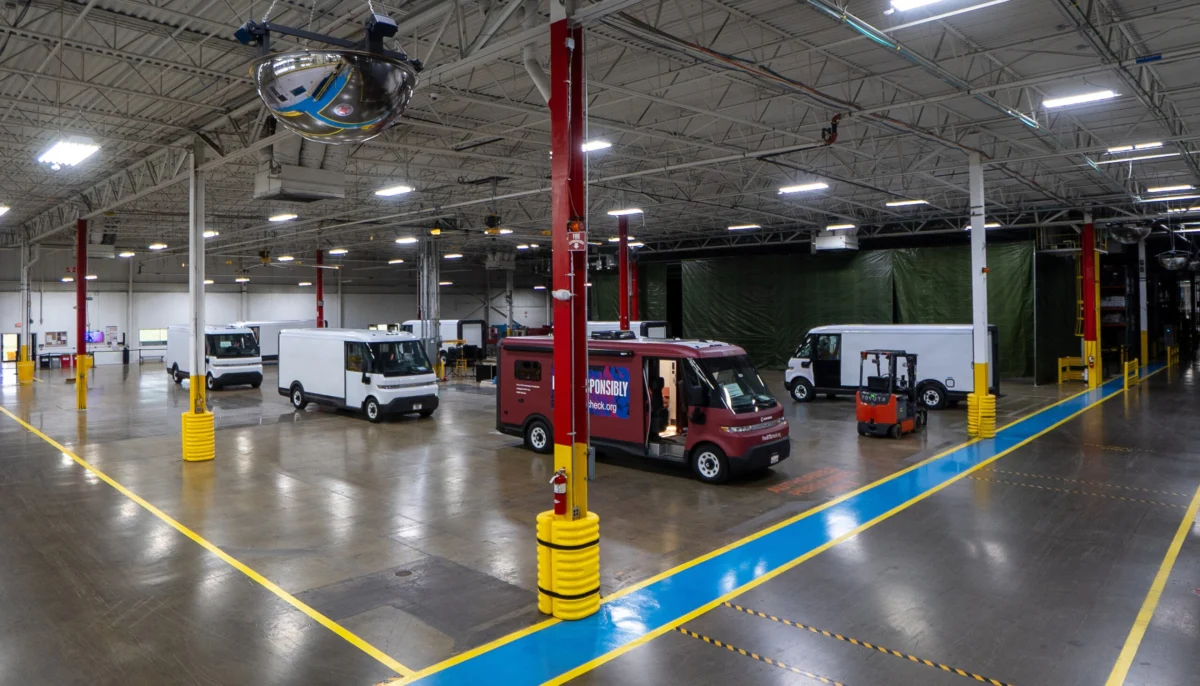
To fuel this next phase of growth, Grounded announced on Tuesday that it has closed a $5 million seed funding round. Alongside the capital injection, the company has officially opened a new 50,000-square-foot manufacturing facility in Detroit. This facility will allow the company to scale its "Lego-like" modular interior systems across both electric and internal combustion engine (ICE) commercial vehicle platforms.
1. Main Facts: The $5 Million Infusion and Detroit Expansion
The newly secured $5 million seed round represents a critical vote of confidence from both institutional venture capitalists and deep-tech angel investors. The round saw repeat participation from existing backers, including:
- Also Capital
- The 81 Collection (a Chicago-based early-stage firm focused on hard tech and industrial resilience)
- Animal Capital
- The Michigan Outdoor Innovation Fund
- Several unnamed SpaceX alumni, whose expertise in modular engineering and rapid iteration aligns with Grounded’s manufacturing philosophy.
Grounded Seed Funding & Infrastructure Milestone
┌────────────────────────────────────────────────────────┐
│  • Total Seed Funding: $5 Million                      │
│  • Lead/Repeat Investors: Also Capital, 81 Collection  │
│  • New Manufacturing Footprint: 50,000 sq. ft.         │
│  • Location: Detroit, Michigan                         │
│  • Core Strategy: Vehicle-Agnostic Modular Upfitting   │
└────────────────────────────────────────────────────────┘
The capital will primarily fund the operational ramp-up of Grounded’s new 50,000-square-foot manufacturing plant in Detroit. Production at the site is scheduled to begin this month, with plans to scale capacity aggressively throughout next year.
Rather than building proprietary electric chassis—a capital-intensive path that has led to the downfall of numerous EV startups—Grounded operates as an "application layer" company. It designs, manufactures, and installs high-tech, modular interior packages onto existing commercial van chassis.
Crucially, the company’s new facility is designed to be vehicle-agnostic. While Grounded began by exclusively upfitting electric vans like the Ford E-Transit and GM’s BrightDrop, the new assembly lines will accommodate a wide range of fleet vehicles, including traditional gas-powered vans and hybrid platforms.
2. Chronology: From "Van Life" to Commercial Fleet Agnosticism
To understand Grounded’s current trajectory, one must look at its rapid evolution since its inception. The company’s history is a case study in startup adaptability within a volatile macroeconomic landscape.
Grounded's Strategic Evolution (2022–Present)
┌─────────────────────────────────────────────────────────────────────────┐
│ 2022: Founded in Detroit. Focuses on modular electric RVs ("van life"). │
├─────────────────────────────────────────────────────────────────────────┤
│ Early 2023: Shifts focus to commercial fleets & small business utility. │
├─────────────────────────────────────────────────────────────────────────┤
│ Late 2023: GM cancels/restructures BrightDrop; Ford alters EV plans.     │
├─────────────────────────────────────────────────────────────────────────┤
│ Winter 2023: Grounded pivots to ICE (gas) & hybrid chassis (Harbinger). │
├─────────────────────────────────────────────────────────────────────────┤
│ Present: Closes $5M seed round; opens 50,000 sq. ft. Detroit facility.  │
└─────────────────────────────────────────────────────────────────────────┘
2022: The "Van Life" Genesis
Grounded was founded in 2022 by former tech engineers, including CEO Sam Shapiro, who recognized a gap in the recreational vehicle market. The original thesis was simple: build fully electric camper vans utilizing a proprietary, modular interior system. Rather than using fixed, heavy wooden cabinetry that permanently altered a van’s interior, Grounded developed a "Lego-like" grid system. This allowed customers to swap out modules—such as kitchens, beds, and storage units—depending on their immediate needs. The primary donor platforms were the Ford E-Transit and General Motors’ newly launched BrightDrop electric vans.
Early 2023: The Pivot to Commercial Fleets
As the company began delivering its initial units, Shapiro and his team realized that the commercial market represented a far larger and more scalable opportunity than the consumer RV market. Small businesses, mobile medical providers, and delivery fleets were desperate for highly customizable utility vehicles but faced long lead times and high costs from traditional upfitters. Grounded began re-engineering its modular systems to serve these B2B clients.
Late 2023: The EV Market Cool-Down and OEM Retreat
By the second half of 2023, the macroeconomic environment for electric vehicles shifted dramatically. High interest rates, persistent charging infrastructure deficits, and slower-than-expected consumer adoption forced major automakers to scale back their EV ambitions.
Two major blows directly impacted Grounded’s initial product roadmap:
- General Motors restructured its commercial EV division, temporarily pausing and altering the trajectory of the BrightDrop brand.
- Ford canceled its plans for a highly anticipated, next-generation electric Transit van, opting instead to extend the lifecycle of its current offerings and focus on hybrid powertrains.
Late 2023 – 2024: The Agnostic Pivot
Sensing that a pure-play EV strategy was no longer viable for a growing startup, Shapiro made a decisive pivot. In a candid company blog post titled "RIP BrightDrop, Long Live Grounded," he announced that Grounded would embrace internal combustion engines.
The company expanded its design library to fit the gas-powered Ford Transit and Mercedes-Benz Sprinter platforms—the two dominant workhorses of the global commercial van market. This shift allowed Grounded to target the vast majority of fleet operators who were not yet ready or able to transition to electric vehicles due to depot charging constraints.
Present: Industrial Scaling
With its vehicle-agnostic strategy validated by a growing backlog of commercial orders, Grounded secured its $5 million seed round and leased its new Detroit manufacturing footprint, setting the stage for high-volume production.
3. Supporting Data: Market Realities and the "Application Layer" Business Model
Grounded’s shift away from an EV-only focus is backed by stark market data. According to recent industry reports, while commercial fleet electrification remains a long-term goal for major corporations, the short-term adoption rate has hit a bottleneck.
A primary constraint is utility grid interconnection delays; fleet operators often have to wait 12 to 36 months to get the necessary electrical upgrades to power a depot of 20 or more electric vans. By offering its modular systems on gas and hybrid chassis, Grounded immediately widens its addressable market by over 90% of active commercial fleets.
The Traditional Upfitter vs. Grounded Modular Approach
┌──────────────────────────────────────┬──────────────────────────────────────┐
│ Traditional Upfitting                │ Grounded Modular System              │
├──────────────────────────────────────┼──────────────────────────────────────┤
│ • Custom welded/bolted steel & wood  │ • Extruded aluminum grid system      │
│ • Permanent, non-transferable layout │ • Swappable, "Lego-like" modules     │
│ • 6–12 week installation time        │ • Rapid assembly and installation    │
│ • Zero software integration          │ • Integrated Grounded+ software      │
│ • Scrapped at vehicle end-of-life    │ • Modules transferable to new chassis│
└──────────────────────────────────────┴──────────────────────────────────────┘
Furthermore, Grounded’s business model is highly capital-efficient compared to traditional automotive startups. The company avoids the massive capital expenditures associated with stamping presses, battery pack manufacturing, and chassis crash-testing. Instead, it leverages the billions of dollars of R&D spent by legacy OEMs (like Ford and Mercedes) and emerging commercial EV chassis developers like Harbinger—an EV startup that recently raised $160 million to build medium-duty electric trucks.
By focusing strictly on the "application layer"—which includes the structural interior grid, lightweight materials, auxiliary power systems, and the proprietary Grounded+ software platform—the startup enjoys higher gross margins and shorter product development cycles than traditional vehicle manufacturers.
4. Official Responses: Leadership and Investor Perspectives
The leadership team at Grounded views the opening of the Detroit facility not just as an expansion of physical space, but as the realization of their core engineering philosophy.
In an official statement, founder and CEO Sam Shapiro emphasized the importance of scaling to meet the demands of enterprise clients:
"This new facility is a turning point for Grounded. We built this company to bring smart, modular electric vehicles to the businesses and institutions that keep our cities running. With this expansion, we can finally build at the scale our fleet customers need and bring our platform to an entirely new class of commercial vehicles."
Shapiro has been vocal about the company’s identity, explicitly distancing Grounded from the volatile "EV startup" label. Writing on the company’s platform, he clarified:
"Grounded is not an ‘EV company,’ nor is Grounded a vehicle company at all. We build the smart, high-tech, modular workspace or living space on top of the chassis: the design, materials, power system, and Grounded+ software that turn a vehicle into a modern, connected mobile healthcare vehicle, command center, camper van, coffee shop, and more. The application layer on top of the vehicle is our product."
This sentiment is echoed by Grounded’s Chief Product Officer, Nadia Meyer, who highlighted the diverse industries currently adopting their technology:
"We are seeing notable growth from food and beverage and public safety customers, among others. Our modular approach allows us to rapidly customize vehicles for different kinds of fleet needs—be they electric or combustion-powered."
Grounded has already secured a diverse roster of blue-chip and institutional clients across multiple sectors:
- Commercial: Colgate, Nokia
- Medical & Community Health: Wayne State University Medical, The Healthy Mothers, Healthy Babies Coalition of Hawaii
- Specialty Services: Veterinary clinics, mobile command centers, and public safety units.
5. Strategic Implications: The Future of Modular Fleet Upfitting
Grounded’s successful funding round and industrial expansion carry significant implications for both the automotive upfitting industry and the broader clean-tech investment landscape.
      Traditional Fleet Operations
                   │  (Slow, permanent upfitting)
                   ▼
       Macroeconomic EV Bottlenecks
  (Charging delays, OEM strategy shifts)
                   │
                   ▼
     Grounded's Agnostic Solution
  ┌───────────────────────────────────┐
  │ • Gas, Hybrid, or EV Chassis      │──► High-Margin "Application Layer"
  │ • Reusable Modular Interiors      │──► Reduced Capex & Fleet Flexibility
  │ • Grounded+ Fleet Software        │
  └───────────────────────────────────┘
Disruption of the Traditional Upfitting Industry
The commercial upfitting market (traditionally dominated by local, highly fragmented body shops that perform permanent, heavy metal fabrications) is ripe for disruption. Traditional upfits are heavy, take weeks to install, and are completely written off when the vehicle reaches the end of its service life.
Grounded’s modular system allows fleet managers to easily swap out damaged components or entirely reconfigure a vehicle’s interior layout in a matter of hours. More importantly, when a vehicle chassis reaches 150,000 miles and needs to be retired, the entire modular interior can be unbolted and transferred to a brand-new chassis, saving fleet operators tens of thousands of dollars per vehicle cycle.
A Blueprint for Clean-Tech Startup Survival
During the "EV bubble" of 2020–2021, venture capitalists poured billions into pre-revenue vehicle companies that promised to build proprietary hardware from the ground up. Many of those companies have since filed for bankruptcy or faced severe delisting threats.
Grounded’s survival and subsequent growth demonstrate that the path to profitability in the clean-tech sector may lie in asset-light, adaptable business models. By positioning themselves as the "software and application layer" of the commercial vehicle, they remain insulated from the supply chain shocks and regulatory shifts that plague traditional automotive manufacturers.
Detroit as a Hub for Agile Advanced Manufacturing
By choosing to locate its 50,000-square-foot facility in Detroit, Grounded is tapping into the world’s most concentrated automotive supply chain and talent pool. However, unlike the legacy assembly lines of the Big Three, Grounded’s facility represents a new wave of agile, low-capex advanced manufacturing. This hybrid model—combining Silicon Valley-style software iteration with Detroit’s deep industrial expertise—could serve as a blueprint for future hardware startups aiming to scale efficiently in a challenging economic climate.
