





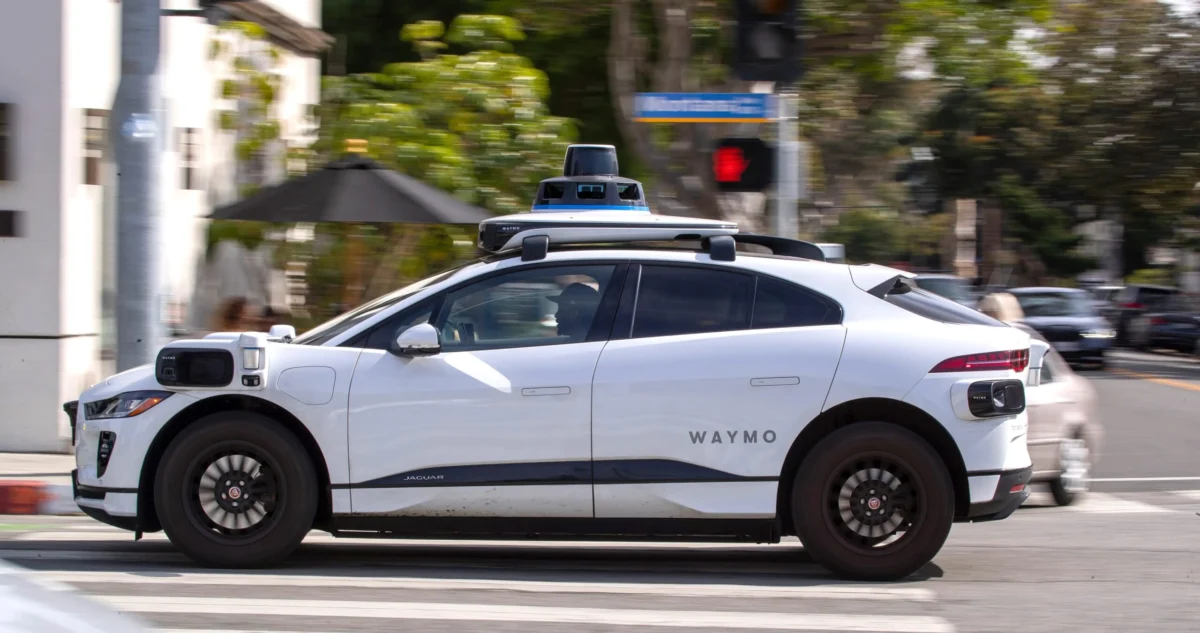
The promise of autonomous vehicles (AVs) has long been anchored in a singular, powerful narrative: the elimination of human error to make public roadways safer. Proponents of robotaxis and self-driving freight systems frequently point to statistical models showing that autonomous systems can drastically reduce collision rates compared to distracted or impaired human drivers. However, as the industry transitions from highly controlled pilot programs to commercial scale, a parallel and less-discussed reality is emerging. The road to a driverless future is being paved by human test drivers who are absorbing the physical costs of perfecting these artificial intelligence systems.
Recent investigations into occupational safety records reveal that while AVs may eventually protect the general public, the process of training them is causing real-world injuries to the workers behind the wheel. At the same time, the broader mobility sector is experiencing a massive realignment. Millions of dollars are flowing into middle-mile logistics, maritime aviation, and defense-adjacent transport technologies, even as legacy automakers and electric vehicle pioneers face regulatory scrutiny and executive shakeups.
Main Facts: The Dual Realities of the AV Revolution
The current state of the mobility sector is defined by a stark dichotomy: the physical vulnerability of human test operators on one hand, and the aggressive financial scaling of autonomous technology on the other.
The Hidden Toll on Test Drivers
An analysis of data submitted to the Occupational Safety and Health Administration (OSHA) reveals that test drivers for major AV operators, specifically Alphabet’s Waymo and Amazon’s Zoox, sustained more than two dozen injuries over the course of 2024 and 2025. These injuries were not caused by catastrophic collisions with other vehicles, but rather by the erratic behavior of the autonomous systems themselves.
According to the reports, workers suffered whiplash, sprains, and chronic pain stemming from sudden, violent deceleration events—often referred to as "phantom braking"—and other unexpected defensive maneuvers executed by the AVs. In several instances, these incidents were severe enough to sideline drivers for months, raising critical questions about workplace safety in the AI era.
Venture Capital Doubles Down on Pragmatic Autonomy
While passenger robotaxis navigate safety and regulatory hurdles, the autonomous freight sector is securing massive financial commitments. Gatik, a developer of autonomous middle-mile box trucks, has raised $200 million in its largest funding round to date. The round, led by the Qatar Investment Authority and Koch Disruptive Technologies, underscores a shifting investor preference toward B2B autonomous solutions with clear, near-term paths to profitability. Unlike passenger robotaxis, which must navigate unpredictable urban environments, Gatik’s driverless trucks operate on fixed, repeatable hub-to-hub routes for retail giants like Walmart and PepsiCo.
Key Investment Rounds (Mid-2026)
┌──────────────────────┬──────────────────────┬──────────────────────────┐
│ Company              │ Amount Raised        │ Key Investors            │
├──────────────────────┼──────────────────────┼──────────────────────────┤
│ Gatik                │ $200 Million         │ QIA, Koch Disruptive     │
│ Regent Craft         │ $240 Million (Total) │ Mare Liberum, Erebor Bank│
│ Airbound             │ $37 Million          │ Greenoaks, Lightspeed    │
└──────────────────────┴──────────────────────┴──────────────────────────┘
Chronology: Tracing the Path to Commercialization (2019–2026)
To understand the current inflection point in mobility, it is necessary to trace how the industry evolved from speculative research and development to the high-stakes commercial environment of today.
- 2019: The Dawn of Pragmatic Autonomy. Gatik emerges from stealth. At the time, the broader AV landscape is dominated by highly capitalized passenger vehicle concepts. Industry observers remain skeptical of Gatik’s focus on short-haul, hub-to-hub logistics, as many believe passenger robotaxis will scale first.
- 2021–2023: The Realignment of Expectations. The high-profile setbacks of several passenger AV programs force a industry-wide reckoning. Investors begin demanding path-to-profitability metrics. Gatik begins pulling safety drivers from its delivery routes for Walmart in Arkansas, proving the viability of driverless middle-mile logistics.
- 2024: The Safety Driver Backlash. As Waymo and Zoox aggressively expand their testing fleets in major metropolitan areas like San Francisco, Los Angeles, and Phoenix, internal tension rises. OSHA begins receiving a steady stream of injury reports from test drivers detailing physical trauma caused by rapid-response software maneuvers.
- June 2026: Commercial Validation. Gatik secures a massive, multi-year commercial agreement with PepsiCo, contributing to a total of $600 million in contracted revenue. This milestone shifts the perception of AVs from experimental technology to a core supply-chain asset.
- August 2026: The Capital Surge and Executive Shifts. Gatik closes its $200 million funding round. Simultaneously, sea-glider manufacturer Regent Craft secures $240 million in Series B and debt financing, while legacy players experience major disruptions, including the sudden resignation of Rivian’s CFO, Claire McDonough, and escalating federal investigations into General Motors’ EV braking systems.
Supporting Data: The Quantifiable Impact of Mobility Tech
An examination of the financial and regulatory metrics from the past year highlights the uneven distribution of risk and reward across the transportation sector.
OSHA Injury Metrics for Waymo and Zoox
The OSHA logs from 2024 and 2025 paint a sobering picture of the working conditions for autonomous vehicle safety operators. The reported injuries are concentrated around soft-tissue damage:

- Total Reported Injuries: Upwards of 24 distinct cases officially filed with OSHA.
- Primary Diagnoses: Cervical strain (whiplash), acute lumbar sprains, and musculoskeletal impact injuries.
- Primary Cause: Sudden deceleration. In these cases, the vehicle’s onboard perception system identified a real or perceived hazard, triggering maximum braking force without warning.
- Recovery Time: Multiple cases documented recovery periods exceeding 30 days of lost work time, with some workers requiring physical therapy to address chronic neck and back pain.
Note: The actual industry-wide injury count is likely higher. Many smaller AV startups or third-party testing contractors fall under specific OSHA reporting exemptions based on employee thresholds or corporate structures, meaning their injury data remains proprietary.
Gatik’s Financial Escalation
Gatik’s $200 million funding round is backed by substantial commercial momentum:
- Contracted Revenue: $600 million in long-term commercial agreements.
- Strategic Partners: Walmart, PepsiCo, and other major grocery and retail distributors.
- Operational Footprint: Daily driverless runs across key logistics corridors in Texas, Arkansas, and Canada.
General Motors’ EV Braking Scrutiny
While AV companies manage software-induced physical strain, legacy automakers are dealing with hardware failures in their transition to electric powertrains. General Motors is currently the subject of intense federal scrutiny:
- Incidents Reported: Hundreds of consumer complaints filed with the National Highway Traffic Safety Administration (NHTSA).
- Crashes/Fires: More than 20 documented incidents of brake failure leading to collisions or localized fires.
- Injuries: At least six confirmed injuries linked directly to EV electronic braking system malfunctions.
Official Responses and Corporate Positions
The tension between technological progress and operational safety has forced corporations to refine their public positions and clarify the technical realities of their platforms.
Waymo’s Technical Clarification: The 1,000 TOPS Misconception
Following reports on its custom silicon architecture, Waymo clarified key details regarding its processing power. Initial interpretations of Waymo’s hardware blog post suggested that a single, custom-designed 5-nanometer Application-Specific Integrated Circuit (ASIC) could deliver over 1,000 Trillions of Operations Per Second (TOPS) of machine learning performance—a figure that would rival Nvidia’s next-generation Drive AGX Thor processor.
In an official statement, a Waymo spokesperson clarified the architecture:
"It’s for the system, not a single chip."
This distinction is crucial for industry analysts. Rather than relying on a single monolithic processor to handle the massive influx of raw sensor data, Waymo’s architecture distributes the computational workload across a multi-chip system. This setup optimizes front-end sensor processing before routing the filtered data to the vehicle’s central computer.
Additionally, Waymo published ten core operational lessons compiled from over 200 million autonomous miles. Chief among them was a firm defense of multimodal sensor suites (combining Lidar, radar, and cameras), which stands in stark contrast to Tesla’s camera-only "Full Self-Driving" philosophy. Waymo also highlighted its growing reliance on Vision-Language Models (VLMs) to help its vehicles understand complex human behaviors and contextual road scenes.

Corporate Transitions at Rivian and Ford
The executive suites of the electric vehicle market are undergoing rapid changes as companies prepare for a challenging manufacturing landscape.
- Rivian: The electric truck and SUV manufacturer confirmed the resignation of CFO Claire McDonough, effective October 2026. McDonough steered the company through its historic IPO and subsequent capital crunches. Her departure comes at a critical time as Rivian attempts to scale production of its mass-market R2 platform and execute its high-profile robotaxi fleet integration deal with Uber.
- Ford: In a bid to expand its energy storage and grid-integration capabilities, Ford appointed Dave Carroll as the president of Ford Energy. Carroll, an alumnus of ENGIE North America, succeeds long-time executive Lisa Drake. His mandate will be to monetize Ford’s vehicle-to-grid (V2G) technologies and residential charging ecosystems.
Implications: The Long-Term Outlook for Global Mobility
The developments of late 2026 indicate that the next phase of mobility will be defined by labor advocacy, regulatory oversight, and a shift toward defense-grade transportation.
The Labor Battlefront in Autonomous Testing
The OSHA injury data is likely to fuel growing labor movements within the tech sector. For years, safety drivers have occupied a precarious position: they are highly skilled operators tasked with preventing catastrophic accidents, yet they are often classified as contract workers with limited benefits. As evidence mounts that the physical act of testing AVs poses long-term health risks, expect increased pressure on regulators to establish specific ergonomic and safety guidelines for autonomous vehicle development.
The Rise of Dual-Use Maritime Mobility
Regent Craft’s successful $240 million Series B and debt funding round points to an emerging trend in venture capital: the militarization of civilian mobility technology. Regent’s electric "seagliders"—which utilize the wing-in-ground (WIG) effect to fly just meters above the water’s surface at high speeds—are ostensibly designed for coastal passenger transit.
However, the inclusion of debt capital from Palmer Luckey’s Erebor Bank strongly suggests a pivot toward defense applications. WIG vehicles are highly attractive to military planners due to their low radar signature, high payload capacity, and immunity to sea mines, making them ideal for rapid, stealthy logistics in contested littoral environments like the Indo-Pacific.
       [ Regent Craft Seaglider Concept ]
                  __  __
                 /  /     <- Aerodynamic Wing (WIG Effect)
           _____/______________
          (_____________________) <- High-Speed Hull
~~~~~~~~~~~~~~~~~~___/~~~~~~~~~~~~~~~~~~  <- Water Surface
Public Backlash Against Surveillance Infrastructure
The mobility landscape is also facing a cultural shift regarding privacy. A recent YouGov survey revealed that a majority of Americans now oppose the deployment of police license plate reader (LPR) cameras. This backlash highlights a growing public exhaustion with the surveillance state. As vehicles become increasingly connected, the intersection of municipal law enforcement, private data aggregators, and daily transportation will remain a major legislative battleground.
Ultimately, the mobility sector in 2026 is moving away from the unbridled optimism of the early autonomous hype cycle. Whether analyzing the physical strain on test drivers, the pragmatic business models of middle-mile freight, or the defense-oriented funding of maritime flight, the future of transportation is being shaped by practical utility, regulatory realities, and the human cost of innovation.
