





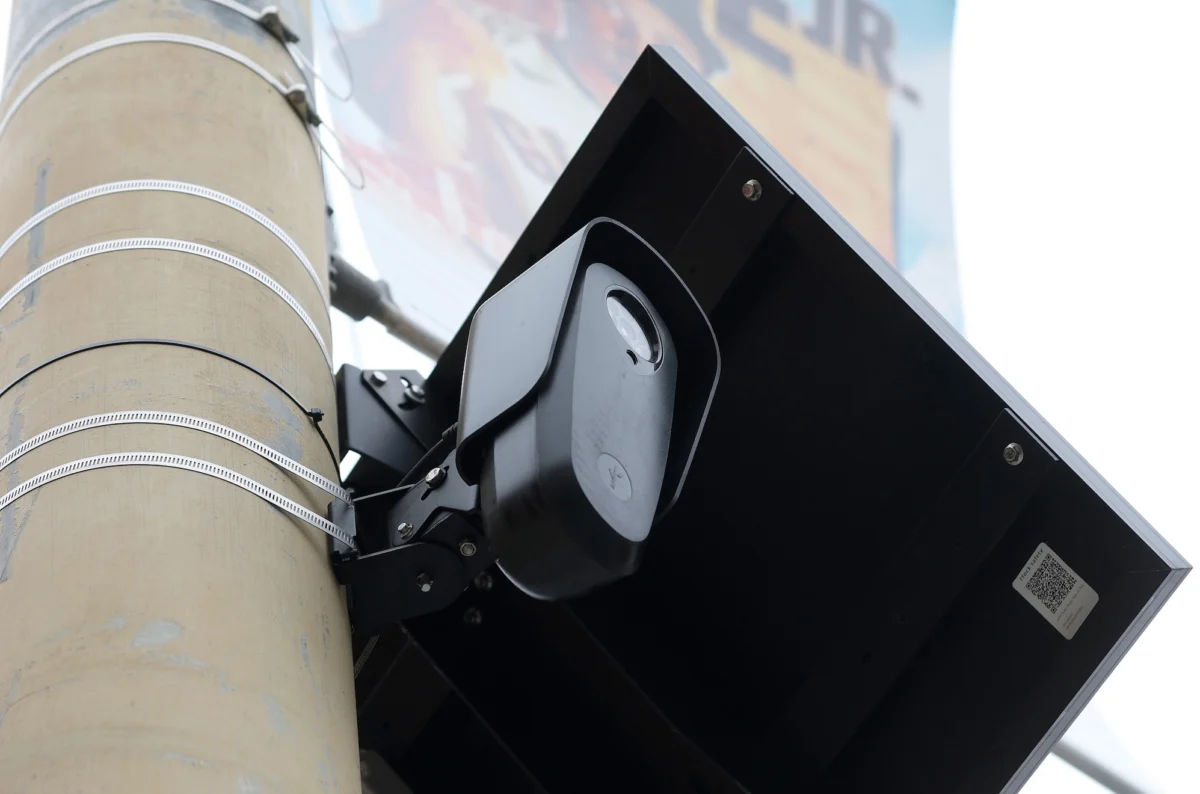
The rapid expansion of private and municipal surveillance networks in the United States may have finally hit a wall. For years, automated license plate readers (ALPRs) quietly proliferated across American suburbs, highway intersections, and city streets, marketed as indispensable tools for modern policing. However, new public opinion data indicates that the unchecked growth of these surveillance networks has triggered a significant societal backlash.
A comprehensive national survey has revealed that a plurality of Americans now oppose the deployment of these automated tracking networks in their neighborhoods. This shift in public sentiment represents a critical turning point for the multi-billion-dollar surveillance technology industry, particularly for its market leader, Flock Safety. As communities across the country begin to reject these digital dragnets, the debate over the balance between public safety and civil liberties has reached a new, highly contentious phase.
Main Facts: The Shifting Tide of Public Opinion
According to a new YouGov survey of 20,000 respondents across the United States, shared exclusively with The Washington Post in August 2026, public acceptance of automated license plate surveillance has collapsed. The poll found that 46% of respondents oppose the installation and operation of Flock Safety’s surveillance cameras in their local communities, compared to just 38% who support them.
This represents a stark reversal from previous years, when a comfortable majority of Americans consistently expressed support for local surveillance technologies under the assumption that they deterred crime. The new data also reveals a deeper skepticism regarding the core marketing promise of surveillance companies: a majority of those surveyed stated that the presence of these cameras would not make them feel any safer.
Flock Safety is currently the most prominent player in the private-public surveillance space. The company operates an estimated network of more than 120,000 license plate readers nationwide. These cameras do not merely photograph vehicles; they utilize machine learning to catalog unique vehicle characteristics—including make, model, color, roof racks, bumper stickers, and even minor damage—allowing law enforcement and private entities to track the movement patterns of vehicles across municipal and state lines.
The sudden shift in public sentiment follows a series of high-profile controversies, including:
- Documented cases of police officers abusing the surveillance database for personal tracking.
- The expiration and cancellation of major municipal contracts, including a high-profile exit by the Los Angeles Police Department (LAPD).
- An increase in physical vandalism targeting street-mounted Flock cameras.
- Growing alarm from civil rights organizations regarding the lack of judicial oversight for automated tracking.
Chronology: The Rise, Friction, and Backlash of Flock Safety
To understand how public opinion soured on automated license plate readers, it is necessary to examine the rapid expansion of Flock Safety and the subsequent friction it generated with local communities.
[2017–2021: Rapid Adoption] ---> [2022–2025: Network Expansion & Privacy Alarms] ---> [July 2026: LAPD Contract Expires] ---> [August 2026: Public Opposition & Call for "Compromise"]2017–2021: The Era of Unchecked Growth
Founded in 2017, Flock Safety quickly established a dominant market position by targeting neighborhood homeowners associations (HOAs) and small to mid-sized police departments. By offering relatively low-cost, solar-powered cameras that connected directly to a cloud-based database, Flock allowed local police to establish sophisticated virtual gates around neighborhoods without the need for extensive IT infrastructure. During this period, public awareness of the technology remained low, and city councils routinely approved contracts with minimal public debate.
2022–2025: National Footprint and Systemic Overreach
As Flock’s network grew to over 120,000 cameras, the company began linking individual local networks into a unified national database known as the "Talon" network. This allowed police in one state to track vehicles across the country.
With this expansion came systemic issues. Investigative reports revealed instances of police officers using the system to stalk romantic partners, monitor political activists, and track individuals without reasonable suspicion. Furthermore, civil liberties groups raised alarms that the database could be weaponized by out-of-state law enforcement agencies to track individuals seeking reproductive healthcare or gender-affirming care across state borders.
July 2026: The LAPD Rejection
The pushback culminated in a major symbolic defeat for Flock Safety in July 2026. The Los Angeles Police Department, one of the nation’s largest law enforcement agencies, allowed its contract with the surveillance giant to expire. City officials and department leadership cited "serious concerns over civil liberties and privacy," as well as a lack of clear empirical evidence showing that the cameras provided a long-term deterrent to crime. The decision sent shockwaves through the law enforcement technology sector, signaling that even large metro departments were no longer willing to absorb the political and legal risks associated with Flock’s platform.
August 2026: Vandalism and the Call for "Compromise"
By August 2026, public frustration manifested in physical resistance. Reports of vandalism targeting Flock cameras spiked across several states, with citizens disabling the devices by cutting power lines, spray-painting lenses, or removing the units entirely from utility poles.
In response to the growing backlash and physical destruction of property, Flock Safety CEO Garrett Langley made a public appeal, calling for a "compromise" between public safety and privacy rights. Days later, the YouGov survey was published, confirming that the company had officially lost the battle for majority public support.
Supporting Data: Analyzing the Public’s Skepticism
The YouGov survey’s findings challenge the foundational business model of the local surveillance industry. Historically, companies like Flock have relied on the narrative that "if you have nothing to hide, you have nothing to fear," assuming that the public would tolerate constant monitoring in exchange for a perceived reduction in property crime.

Public Sentiment on Flock Cameras (August 2026)
| Sentiment | Percentage of Respondents |
|---|---|
| Oppose surveillance cameras in their community | 46% |
| Support surveillance cameras in their community | 38% |
| Undecided / No Opinion | 16% |
Key Takeaways from the Poll Data:
- The Safety Paradox: A majority of respondents indicated that the presence of automated tracking cameras did not increase their personal sense of safety. This undercuts the primary marketing claim used by surveillance firms to secure taxpayer-funded municipal contracts.
- A Sudden Reversal: The 46% opposition rate represents a complete inversion of public sentiment recorded in 2025, where similar polls showed comfortable majority support for license plate readers.
- Bipartisan Concern: Analysts noted that privacy concerns regarding Flock’s centralized database cut across traditional political lines. Conservative respondents expressed anxiety over government overreach and federal tracking, while progressive respondents focused on the disproportionate policing of minority communities and reproductive privacy.
Official Responses: Defensive Maneuvers and Civil Rights Rebuttals
The publication of the YouGov survey prompted immediate reactions from both the corporate leadership of Flock Safety and their long-time critics in the civil liberties space.
Flock Safety’s Defense
When contacted by media outlets regarding the poll, Flock Safety maintained a defensive posture while acknowledging the shifting political landscape. A spokesperson for the company asserted that broad support for their technology still exists among law enforcement agencies and neighborhood watch groups. However, the company admitted that "support isn’t unconditional."
To address these concerns, Flock pointed to the recent rollout of a series of software "safeguards" designed to prevent officer misuse. These measures reportedly include:
- Mandatory justification prompts before an officer can run a search.
- Automatic auditing logs accessible to municipal oversight boards.
- Stricter data retention defaults, designed to purge captured license plate data after 30 days unless flagged for an active investigation.
CEO Garrett Langley echoed these points during his public statements, arguing that the technology is vital for solving violent crimes and child abductions. Langley urged communities not to abandon the technology entirely, calling instead for a regulatory middle ground.
The Civil Liberties Counter-Response
Civil liberties advocates, led by the American Civil Liberties Union (ACLU), were quick to dismiss Flock’s proposed safeguards as cosmetic public relations maneuvers.
In a statement responding to Langley’s call for compromise, the ACLU argued that the core threat of Flock’s business model remains unchanged:
"Despite these new cosmetic updates, Flock’s invasive, interconnected camera network remains a severe threat to basic civil liberties. A slightly more secure dragnet is still a dragnet. The fundamental issue is that innocent citizens are being tracked, cataloged, and monitored without a warrant, creating a permanent record of their daily lives. True compromise cannot occur when the baseline product relies on mass, warrantless surveillance."
Critics also pointed out that Flock’s audit logs are often self-policed by the very departments using the technology, offering little comfort to communities concerned about systemic police misconduct.
Implications: The Future of Municipal Surveillance
The shifting tide of public opinion and the rejection of Flock Safety by major cities like Los Angeles carry profound implications for the future of law enforcement, municipal governance, and privacy law in the United States.
1. Municipal Contract Churn and Budgetary Realignment
As public opposition grows, local city councils are likely to face intense voter pressure to reject or cancel existing contracts with surveillance providers. Because Flock’s business model relies on recurring annual subscription fees rather than one-time hardware sales, a wave of contract cancellations could severely threaten the company’s financial stability. Municipalities may choose to redirect these technology budgets toward community policing initiatives, mental health crisis response teams, or traditional, non-intrusive public infrastructure improvements.
2. Legal Challenges and the Fourth Amendment
The widespread backlash is expected to fuel ongoing and future constitutional challenges against automated license plate readers. Under the precedent set by the landmark Supreme Court case Carpenter v. United States (2018)—which ruled that the government generally needs a warrant to access historical cell phone location records—civil rights attorneys argue that continuous, automated vehicle tracking similarly violates the Fourth Amendment’s protection against unreasonable searches. A public that is increasingly hostile to these cameras will likely make juries and local judges more receptive to these constitutional arguments.
3. The Collapse of "Surveillance Capitalism" at the Neighborhood Level
For years, the expansion of private surveillance was driven by private individuals and HOAs purchasing cameras to monitor public streets. This effectively created a decentralized, privatized police state where private citizens could feed data directly into law enforcement networks without public debate or legislative oversight.
With public sentiment turning sharply against these practices, HOAs may face internal revolts and legal liability from residents who object to being tracked by their neighbors. The decline of the private-public surveillance model could force a return to traditional boundaries between public policing and private property monitoring.
Ultimately, the YouGov survey demonstrates that convenience and technology are no longer enough to win over an increasingly privacy-conscious American public. As the backlash against Flock Safety intensifies, the era of unchecked municipal surveillance expansion may finally be drawing to a close.
