




The global mobility landscape is undergoing a profound structural realignment. As electric aviation startups confront the grueling realities of regulatory certification and autonomous vehicle developers seek viable commercial pathways, the industry is witnessing a wave of consolidation, strategic divestments, and pivots toward defense contracts.
From the dramatic resolution of corporate rivalries in the electric vertical takeoff and landing (eVTOL) sector to Uber’s shifting autonomous vehicle (AV) investment thesis, the events of this week highlight an industry transitioning from speculative growth to pragmatic execution. This report provides a comprehensive analysis of these developments, tracing their origins, analyzing key data points, and examining their long-term implications for the future of transportation.
Main Facts
1. Archer Aviation Acquires Former Rival Wisk Aero in Landmark Consolidation Deal
In one of the most unexpected developments in the nascent electric aviation sector, Archer Aviation has acquired its former rival Wisk Aero. Under the terms of the transaction, aerospace giant Boeing agreed to sell Wisk Aero—along with digital airspace management company SkyGrid and drone manufacturer Insitu—to Archer. In exchange, Boeing has secured a 16.5% ownership stake in Archer Aviation. This transaction effectively consolidates some of the industry’s most prominent intellectual property and engineering talent under a single corporate umbrella.
2. Joby Aviation Secures $500 Million Acquisition of Resonant Sciences
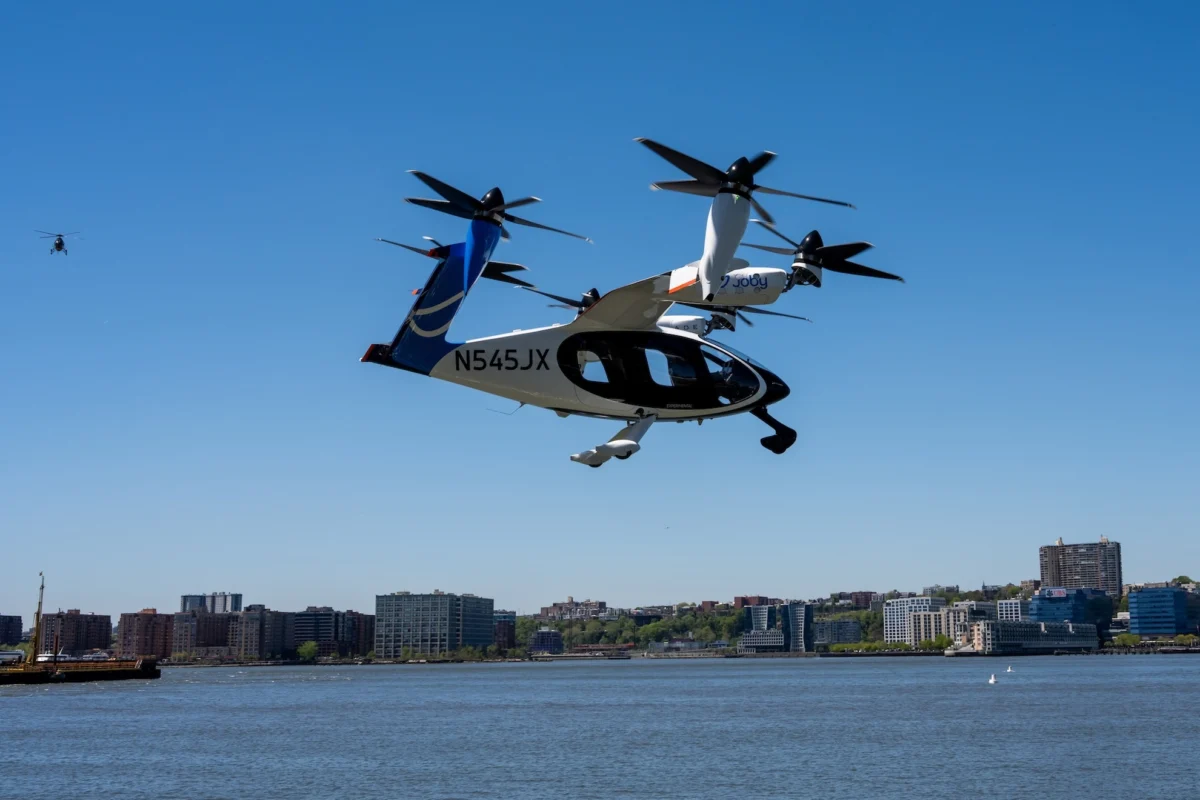
Joby Aviation, another frontrunner in the eVTOL market, has executed a major strategic pivot by acquiring Resonant Sciences for $500 million. Resonant Sciences, which specializes in advanced radio frequency (RF) and sensor systems, will be integrated into a newly established, dedicated division named Joby Defense. While Joby maintains that its primary mission remains the certification of commercial electric air taxis, the acquisition signals a aggressive push to secure near-term defense revenues while navigating civilian regulatory hurdles.
3. Uber Divests Entire Stake in Serve Robotics
In a surprising shift in its autonomous technology portfolio, ride-hailing giant Uber has completely sold off its equity stake in Serve Robotics. Serve, a developer of sidewalk delivery robots, originally spun out of Uber more than five years ago. Despite the complete financial divestment, the commercial partnership between the two entities remains intact, with Serve’s delivery robots scheduled to operate on the Uber Eats platform until at least 2027.
4. California Expands Autonomous Trucking and Passenger Operations
The California Department of Motor Vehicles (DMV) has granted testing permits to autonomous trucking pioneers Aurora Innovation and Kodiak AI, allowing them to operate self-driving class-8 trucks on public highways. Simultaneously, Waymo secured approval from the California Public Utilities Commission (CPUC) to expand its commercial robotaxi operations across a broader territory in the San Francisco Bay Area and Los Angeles, alongside future expansion rights for Sacramento and San Diego.

5. Passing of Hybrid Pioneer Hiroshi Okuda
The automotive world is mourning the passing of Hiroshi Okuda, the former president and chairman of Toyota Motor Corporation, who died at the age of 93. Okuda was a visionary executive who famously championed the development and commercialization of the gas-electric hybrid Prius, a vehicle that fundamentally altered the trajectory of green transportation.
Chronology
The Long and Winding Road of Archer and Wisk Aero
To understand the significance of Archer’s acquisition of Wisk Aero, one must trace a highly litigious and complex history that began several years ago:
- 2010s: Kitty Hawk, an electric aviation startup backed by Google co-founder Larry Page and led by Sebastian Thrun (co-founder of Alphabet’s X "moonshot" factory), begins developing the "Cora" eVTOL aircraft.
- 2019: Kitty Hawk spins off its Cora program into a joint venture with Boeing, which is subsequently rebranded as Wisk Aero.
- April 2021: Wisk Aero files a high-profile lawsuit against Archer Aviation, alleging the "brazen theft" of confidential trade secrets and patented designs. Wisk claims that former employees who defected to Archer brought proprietary designs with them.
- August 2021: Archer retaliates by filing a countersuit against Wisk, seeking $1 billion in damages for defamation and tortious interference.
- September 2022: Kitty Hawk officially shuts down, leaving Wisk Aero as the primary vessel for Boeing’s autonomous electric flight ambitions.
- August 2023: The two companies reach an unexpected out-of-court settlement. The agreement dismisses all claims and countersuits, establishing a collaborative framework rather than a legal battle.
- August 2026: The collaboration culminates in a complete structural realignment. Boeing sells Wisk Aero, SkyGrid, and Insitu to Archer in exchange for a 16.5% equity stake in the company, positioning Archer as a dominant force in electric aviation.
[2019: Wisk Aero Formed (Boeing/Kitty Hawk JV)]
       │
[2021: Wisk Sues Archer / Archer Files $1B Countersuit]
       │
[2023: Lawsuit Settled; Collaboration Agreement Signed]
       │
[2026: Archer Acquires Wisk, SkyGrid & Insitu; Boeing Takes 16.5% Stake]
Uber’s Evolving Autonomous Strategy
Uber’s relationship with autonomous vehicle technology has transitioned through several distinct phases:
- 2020: Uber sells its expensive, in-house Advanced Technologies Group (ATG) self-driving division to Aurora Innovation, shifting from an in-house developer to an ecosystem partner.
- 2021: Uber spins off its sidewalk delivery group, which becomes Serve Robotics, maintaining a significant equity stake.
- 2024–2025: Uber aggressively signs partnerships with external AV developers, including Waymo, Avride, and Pony.ai, to populate its ride-hailing marketplace.
- August 2026: Uber quietly sells its entire equity stake in Serve Robotics, catching the robotics firm by surprise, while expanding passenger-carrying AV partnerships globally.
Supporting Data
The financial and operational metrics of this week’s mobility news underscore the massive scale of investment and deployment occurring across the sector.
eVTOL and Defense Financials
- $500 Million: The acquisition price paid by Joby Aviation to purchase Resonant Sciences, marking one of the largest consolidation transactions in the defense-tech and eVTOL crossover space.
- 16.5%: The equity stake Boeing now holds in Archer Aviation as a result of transferring Wisk Aero, SkyGrid, and Insitu.
Autonomous Miles and Fleet Scaling
- 100,000+: The number of autonomous rides completed by Avride on the Uber app in Dallas, Texas. However, operations still utilize a human safety driver behind the wheel. The milestone represents a rapid acceleration from the 60,000-ride mark achieved just two months prior.
- 2,000: The target number of robotaxis that Pony.ai and Uber plan to deploy across four major European cities as part of their expanded international partnership.
Global Venture Capital and Infrastructure Investments
- $93 Million: The total raised by Indian electric mobility startup Yulu in its Series C funding round. The round consists of $63 million in equity led by GEF Capital Partners and $30 million in debt financing, driven by surging demand for e-bikes from the region’s quick-commerce delivery sector.
- $2 Billion: The capital committed by Ford Motor Company for the comprehensive overhaul of its Louisville Assembly Plant in Kentucky. The factory is being re-engineered to manufacture Ford’s next-generation electric vehicles, beginning with the midsize Fathom pickup truck.
Official Responses and Corporate Statements
The Uber-Serve Robotics Separation
According to sources familiar with the matter, the complete divestment of Uber’s stake in Serve Robotics came as a surprise to the robotics startup’s leadership. Serve reportedly only learned of the sale when Uber’s regulatory filings with the Securities and Exchange Commission (SEC) became public.
Despite the abrupt financial exit, both companies emphasized that their operational relationship remains unaffected. An Uber spokesperson reiterated that the commercial contract allowing Serve’s automated rovers to fulfill Uber Eats deliveries remains legally binding through 2027.

Joby Aviation’s Strategic Shift
Addressing concerns that the $500 million acquisition of Resonant Sciences might distract from its commercial air taxi goals, Joby Aviation released a statement clarifying the dual-track strategy of its new "Joby Defense" division:
"While we remain fully committed to our core mission of certifying and manufacturing electric vertical takeoff and landing aircraft for urban passenger travel, we recognize the immediate, high-margin revenue opportunities presented by the defense sector. Integrating Resonant Sciences’ world-class sensor and radio frequency capabilities allows us to support national security needs while strengthening our balance sheet during the commercial certification process."
Federal Initiatives in Aviation Infrastructure
On the public sector front, Department of Transportation (DOT) Secretary Sean Duffy took to social media to highlight unconventional recruiting methods designed to combat chronic staffing shortages in aviation infrastructure. Duffy announced that the DOT has successfully hired 2,000 candidates through a program targeting competitive video gamers for roles as air traffic controllers, though officials declined to specify how many of the hires met the formal definition of "gamers."
Implications
The developments of this week signal several structural shifts that will shape the mobility, defense, and logistics sectors for years to come.
┌─────────────────────────────────────────────────────────────┐
│                 MAJOR INDUSTRY IMPLICATIONS                 │
├──────────────────────────────┬──────────────────────────────┤
│       AERIAL MOBILITY        │     AUTONOMOUS VEHICLES      │
│  • Consolidating IP & talent │  • Asset-light aggregators   │
│  • Pivoting to defense cash  │  • Regulatory expansion      │
│  • Dual-use tech models      │  • Mixed-fleet realities     │
└──────────────────────────────┴──────────────────────────────┘
The Pragmatic Consolidation of Electric Aviation
The acquisition of Wisk by Archer and Joby’s defense pivot point to a broader realization within the eVTOL sector: the road to commercial, passenger-carrying FAA certification is longer, more capital-intensive, and more politically complex than initially projected.
By acquiring Wisk, Archer has eliminated a major legal threat and consolidated critical intellectual property, while gaining Boeing’s formidable aerospace manufacturing expertise. Meanwhile, Joby’s creation of a defense business unit reflects a growing trend of "dual-use" technology development. Defense contracts provide steady, non-dilutive government revenue that can sustain capital-intensive R&D while civilian commercial models await regulatory clearance.

Uber’s Role as an Asset-Light Marketplace
Uber’s decision to dump its equity stake in Serve Robotics, while simultaneously expanding passenger robotaxi partnerships with Pony.ai and Avride, clarifies the company’s long-term autonomous strategy. Uber has no desire to own, manufacture, or maintain expensive hardware assets.
Instead, Uber is positioning itself as the indispensable digital marketplace for autonomous fleets. By maintaining commercial delivery agreements with Serve but shedding its equity, Uber retains the operational benefit of low-cost robotic delivery without the financial burden of supporting a hardware startup’s balance sheet.
The Accelerating Commercialization of Autonomous Trucking
The California DMV’s authorization for Aurora Innovation and Kodiak AI to test self-driving trucks on public highways is a watershed moment for logistics. Autonomous trucking is widely expected to achieve commercial viability and profitability ahead of urban robotaxis, due to the simplified environment of highway driving compared to chaotic city streets.
As Kodiak begins public highway testing in California, the freight industry moves closer to hub-to-hub autonomous shipping, which promises to alleviate driver shortages and lower supply chain costs across the United States.
The Hybrid Legacy and the EV Transition
Finally, the passing of Toyota’s Hiroshi Okuda serves as a historical marker. Okuda’s gamble on the Prius proved that electrified powertrains could achieve mass-market adoption. Today, as Ford spends $2 billion to overhaul its Louisville plant for the next-generation Fathom electric truck, the industry is building directly upon the foundation Okuda laid. The transition from the hybrid passenger cars of the late 1990s to the fully electric, highly automated commercial fleets of the late 2020s represents the realization of a multi-decadal shift toward sustainable mobility.
